

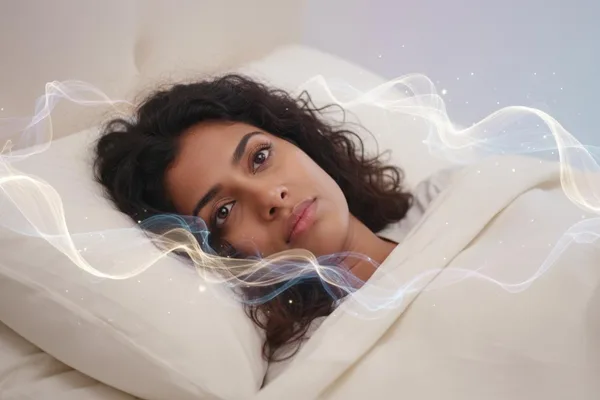
Do you also suffer from tossing and turning when you go to bed at night and not being able to fall asleep? Or do you wake up in the morning feeling exhausted and tired all day? Sleep is an essential part of life for all of us. But it is not as simple as we think. Sleep is a very complex and amazing process in our body that even science has not yet fully understood. So let's talk about this in a little more depth today.
Why do we really need sleep?
Simply put, sleep is a time for our bodies and brains to rest after a long day of work. Just like when we put our phones on charge after a long day of work, our bodies also 'charge' when we sleep. Several key things happen in our bodies while we sleep.
- Saving energy: During the day, the cells in our body use energy to work. When we sleep, the body's energy use decreases significantly. That's when these cells store the energy they need for the next day.
- Repairing the body: When we sleep, our body is less active, so it is easier to repair minor injuries and damage to cells that occurred during the day. Do you remember when we feel very tired and want to sleep when we are sick? That is because the body uses sleep to fight illness and heal wounds.
- Brain maintenance: This is the most important thing. Our brain does not just sit around while we sleep. It is like a librarian putting books back on the shelves at the end of the day. The brain organizes, sorts, and stores all the things we have learned during the day, our memories, and information, while we are sleeping. This is why we remember what we studied the next day well after a good night's sleep.
So how much sleep do you need?
The amount of sleep needed varies from person to person. Some people need a little more sleep, while others can do with less. This need changes as you age. Here are the generally recommended amounts of sleep.
| Age group | Sleep needed per day (hours) |
|---|---|
| Newborns (0-3 months) | 14-17 |
| Infants (4-12 months) | 12-16 |
| Young children (1-2 years old) | 11-14 |
| Preschool children (3-5 years old) | 10-13 |
| School-age children (6-12 years old) | 9-12 |
| Young children (13-18 years old) | 8-10 |
| Adults (18+ years) | 7-9 |
This is just a general recommendation. You may need a little more or less sleep than this. It could also be genetic. Also, if you are sick, pregnant (especially in the first 3 months), or have had surgery, you may need more sleep than usual. If you have questions about how much sleep you need, it is best to talk to your doctor.
What are the stages of sleep?
Our brains don't completely shut down when we sleep. Even when we're asleep, there's electrical activity in the brain. This activity occurs in several patterns. Scientists have divided these patterns into what are called 'Stages of Sleep.' There are two main types.
1. NREM (Non-Rapid Eye Movement) Sleep: Sleep in which the eyes do not move rapidly.
2. REM (Rapid Eye Movement) Sleep: Rapid eye movement sleep.
When we fall asleep, we usually go through `NREM` stages 1, 2, 3, and then enter `REM` stage. This complete cycle takes about 90-120 minutes. On average, we go through 4 or 5 such cycles during an 8-hour sleep.
3 stages of NREM sleep
- Stage 1: This is the lightest stage of sleep. We are in this stage as soon as we fall asleep. It lasts only a few minutes. This stage accounts for about 5% of our total sleep.
- Stage 2: This is also a shallow sleep. But it is a little deeper than the first stage. During this time, our brain waves are a bit slower, and there are sudden bursts of rapid electrical activity. It is believed that this is when the brain organizes memories. This stage accounts for 45% of our total sleep.
- Stage 3: This is the deepest sleep. This stage accounts for about 25% of an adult's sleep. However, young children need more of this deep sleep. This stage decreases as they age. It is during this deep sleep that the body repairs itself and the immune system strengthens. If you want to feel refreshed when you wake up in the morning, you absolutely need this stage of sleep.
It is very difficult to wake someone from this deep sleep. If you do, the person may feel disoriented for a while, unable to understand what is happening (sleep inertia).
What is REM sleep?
We dream most of the time during `REM` sleep. The reason for this name is that when we dream, our eyes move rapidly back and forth under our eyelids. At this time, our brain functions just like when we are awake. `REM` sleep accounts for about 25% of all sleep.
Sleep Disorders
Sleep disorders are conditions that interfere with sleep or staying awake. These can be divided into several main categories.
| Disability category | Examples |
|---|---|
| Insomnia | Insomnia |
| Difficulty breathing during sleep | Sleep Apnea |
| Sleep-related movement disorders | Restless Leg Syndrome |
| Parasomnias | Sleepwalking, nightmares |
| Excessive sleepiness | Narcolepsy |
If you continue to have this problem, such as not being able to sleep at night, snoring excessively, or feeling uncontrollably sleepy during the day, you should definitely see a doctor. You may need to have a sleep test, such as a polysomnogram, to find out the cause.
Things you can do to get better sleep
Good sleep is essential for a healthy life. So there are a few things you can do to get good sleep. We call this 'sleep hygiene'.
- Establish a bedtime routine: Get into the habit of going to bed and waking up at the same time every day. Try not to change this as much as possible, even on weekends and holidays.
- Create a good sleep environment: The room you sleep in should be dark, quiet, and cool.
- Relax before bed: Stop using your phone, tablet, or TV about an hour before bed. The blue light from them can disrupt your sleep. Instead, do something like read a book, listen to soothing music, or take a warm bath.
- Be careful about what you eat and drink: Avoid eating a full meal, drinking coffee, or tea close to bedtime. Drinking alcohol can reduce the quality of your sleep.
- Be active during the day: Exercise and walking during the day can help you sleep better at night. But avoid excessive exercise close to bedtime.
- Don't go to bed if you're sleepy: If you can't fall asleep within 20 minutes of going to bed, get out of bed, go to another room, do something relaxing (like reading a book), and go back to bed when you feel sleepy again.
What happens if you lose sleep?
Not getting enough sleep can cause many short-term and long-term health problems.
In the short term:
- Difficulty concentrating
- Memory loss
- Anger, anxiety
- Slowed reaction time (very dangerous when driving)
- Decreased immunity and susceptibility to diseases
In the long term:
- Heart disease
- Diabetes (Type 2 Diabetes)
- Obesity
- Depression
- Increased risk of diseases such as dementia
Sometimes, when we don't get enough sleep, something called ``Microsleeps'' can occur. This means that our brain goes to sleep for a few seconds without us realizing it. Imagine how dangerous it would be if something like this happened while driving a car or operating a machine.
Finally, sleep is one of the most precious resources we have. Never take it for granted. If you have a long-term sleep problem, don't ignore it. Be sure to consult your doctor for advice.
Take-Home Message
- Sleep is essential for repairing our bodies and brains, storing energy, and organizing memories.
- It is very important to get an appropriate amount of sleep each day for your age. On average, an adult needs 7-9 hours of sleep.
- For good sleep, go to bed at the same time every day, create a comfortable sleeping environment, and practice sleep hygiene.
- Stopping the use of electronic screens, such as phones and TVs, at least an hour before bedtime helps improve the quality of sleep.
- If problems such as insomnia, excessive snoring, and excessive daytime sleepiness persist, never hesitate to seek medical advice.




💬 Comments (0)
No comments yet. Be the first to share your thoughts here.
Add Your Comment