
Have you ever wondered exactly what sperm are, how they are formed, and what their function is? You may feel a little embarrassed to talk about them. But they are a very important part of our body. So, today we will talk about everything about these sperm, very simply, in a way that you can understand.
What exactly is sperm?
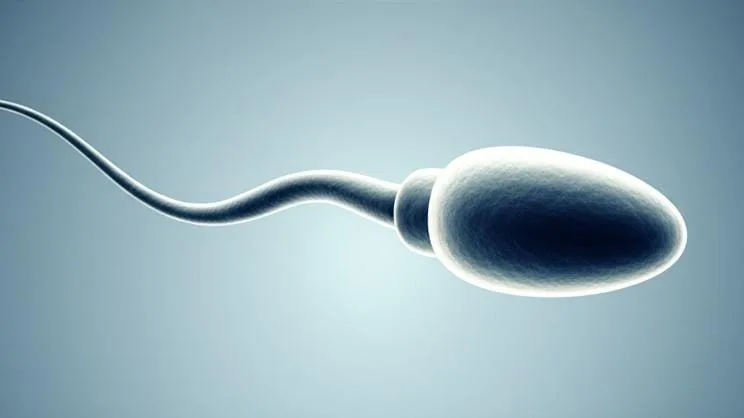
Simply put, sperm are male sex cells . They are a type of cell that is shaped like a small frog and can only be seen under a microscope. When a man's sperm unites with a woman's egg, an embryo is formed and a baby begins to grow. We usually call this process `(conception)` or `(fertilization)`. Most often, this happens after sexual intercourse through the vagina. However, sometimes this can also happen through artificial insemination methods, for example `(In Vitro Fertilization - IVF)`.
A boy usually begins producing sperm when he reaches puberty , between the ages of 10 and 12. After that, he has the ability to produce sperm throughout his life.
Sperm has several other names:
- Male reproductive cells
- Gametes
- Spermatozoa (singular: spermatozoon)
What is the only thing we men have to do with sperm?
In fact, the only and most important function of sperm is to fertilize a female egg. That is, to help create a child.
Some people may wonder if not ejaculating, that is, not ejaculating semen, will cause any health problems. That is not the case. The sperm that is not ejaculated from your body is reabsorbed by your body itself. So there is nothing to worry about.
How many sperm are in semen?
Semen is a sticky substance that contains sperm. A healthy man's semen can contain anywhere from 15 million to over 200 million sperm in one milliliter (about 0.2 teaspoon). Imagine how much sperm is packed into such a small space!
If there are fewer than 15 million sperm per milliliter of semen, we call that condition oligospermia . This can be one of the reasons for difficulty conceiving children.
What happens to sperm when it enters a woman's body?
During unprotected vaginal intercourse, sperm travel through the woman's reproductive system. This journey takes them through the vagina, cervix, uterus, and finally into the fallopian tubes.
But this journey is not that easy. The woman's immune system treats these sperm as foreign invaders. Therefore, the immune system tries to destroy these sperm. If a few sperm survive by overcoming all these obstacles and reaching the fallopian tubes, if there is an egg there, they try to penetrate that egg. If one sperm succeeds, pregnancy occurs.
How long can sperm live?
This varies depending on the occasion.
- Inside the female reproductive system: Sperm can live for up to five days. This means that pregnancy can occur several days after sex.
- In the Testicles: Unejaculated sperm live inside the testicles for about 2.5 months. After that, they die and are reabsorbed by the body.
- Outside the body: This largely depends on the ambient temperature. At normal room temperature (around 20 degrees Celsius), sperm can live for about an hour. However, if the temperature changes suddenly, the sperm will die quickly.
- Sperm Banking: If you bank your sperm, it can be safely stored under cryogenic conditions for decades.
Where are sperm produced? What is the path of their exit?
Sperm are produced in a system of tiny tubes in your testicles . These tubes are called seminiferous tubules. When sperm are released (ejaculated), they travel along this path:
1. First, it comes out of the testicles.
2. Next, it travels to a tube at the back of the testicles (the epididymis), where further maturation of the sperm occurs.
3. From there it travels along a coiled tube (`vas deferens`).
4. Passes through the prostate gland. This is where the other components of the seminal fluid are collected.
5. Finally, the urine exits the urethra through the urethral meatus at the tip of the penis.
What are the parts of a sperm? It's amazing how much detail is contained in something so small!
A sperm is a very complex little cell. It has three main parts:
1. Head: The head of the sperm contains the genetic information, or `DNA` . The head of a healthy sperm is shaped like an almond and is slightly pointed. The head is covered by a cap called `(acrosome). This contains enzymes. This almond shape of the head, and the enzymes in the acrosome, help a sperm penetrate an egg cell.
2. Midpiece/Neck: This part contains the mitochondria. Mitochondria are the powerhouses of our cells. These provide the energy needed for the sperm's tail.
3. Tail/Flagellum: The tail is the longest part of a sperm. It is the part that propels the sperm forward in a corkscrew-like motion. It also helps the sperm penetrate an egg.
Does sperm morphology matter?
Yes, definitely! Sperm morphology is the shape of a sperm:
- Head shape and size.
- What the middle part looks like.
- The structure of the tail.
Healthy, properly shaped sperm are the ones that can swim well and straight. This ability is essential for reaching and fertilizing an egg.
Here are some examples of abnormal sperm morphology:
- Acephalic sperm
- Sperm with a small head (microcephaly)
- Sperm with a large head (macrocephaly)
- Sperm with an extra head (e.g. double sperm head)
- Acaudate sperm
- Bent or pulled tail
- Curled tail
- Short-tailed sperm (dysplasia of fibrous sheath sperm)
If there are abnormal shapes like this, the sperm may not be able to swim properly or penetrate the egg.
What conditions affect sperm?
Male infertility can be caused by problems with sperm. There are many things that can affect the health of your sperm or their movement. However, you may not know that your sperm is affected until you and your partner are having trouble conceiving.
Some conditions that can affect sperm health include:
- Varicoceles: This is a condition in which the veins around the testicles become swollen. This causes blood to pool in one place and the temperature of the testicles to increase. This can affect sperm development.
- Testicular trauma: If the testicles are injured, they can be damaged and reduce the ability to produce sperm.
- Some sexually transmitted infections (STIs): Some STIs, such as Chlamydia and Gonorrhea, can damage your sperm.
- Certain medications: Some medications can affect sperm quality as a side effect. Examples:
- Flutamide and bicalutamide (these are drugs used to treat prostate cancer)
- Spironolactone (a medicine for high blood pressure and heart disease)
Also, testosterone replacement therapy stops the body from producing sperm. These treatments come in various forms, such as injections, capsules, patches, pills, and gels applied to the skin.
- Environmental factors:
- Things like drinking alcohol, smoking (cigarettes or vaping), and using marijuana can affect sperm quantity and quality.
- Prolonged exposure to high temperatures is also harmful to sperm. For example, frequent saunas or hot tubs can also increase the temperature of the testicles, as can sitting in a chair or wheelchair for long periods of time.
- Antisperm antibodies: This is when your own immune system mistakenly identifies sperm as a foreign invader and sends antibodies to destroy them.
What are the diseases associated with sperm?
Sperm-related diseases can affect the quality and quantity of sperm you produce. Some of them are:
- Oligospermia: This is a decrease in sperm count. That is, less than 15 million sperm per milliliter of semen.
- Azoospermia: In this condition, there are no sperm in the semen. This can happen if there is any blockage in the tubes of the reproductive system.
- Teratospermia: This is when there is a high concentration of abnormally shaped sperm in the semen. As we discussed earlier, abnormal sperm shape reduces the sperm's ability to move properly and penetrate an egg.
How to check sperm health?
The best way for a doctor to analyze the health of your sperm is to perform a semen analysis . This test looks at:
- Sperm count
- Sperm shape / morphology
- Sperm activity/motility
A semen sample for this test can be provided at a fertility clinic, lab, or at home. However, if you provide the sample at home, it must be taken to the clinic or lab as soon as possible (usually within an hour).
How can I improve the quality of my sperm?
There are a few simple things that can help improve the quality of your sperm. Try these:
- Quitting smoking: This is definitely something you should do.
- Limit alcohol consumption: It is best to reduce it as much as possible.
- Eat lots of fruits and vegetables: The antioxidants in these are good for sperm.
- Maintain a healthy weight that suits you.
- Increasing physical activity: That means exercising daily.
- Managing stress: Things like yoga and meditation can help.
- Using protective methods (such as condoms, female condoms) during sex: This can protect against STIs.
Remember, these habits take some time to develop, but in the long run, they are very important for your overall health as well as the health of your sperm.
How many sperm are needed for fertilization?
Imagine, it only takes one sperm to get pregnant! However, tens of millions, perhaps hundreds, of sperm are released during each ejaculation. This large number is released to increase the chances of that one lucky sperm finding and fertilizing the egg.
Finally, remember...
The sole purpose of sperm is to fertilize an egg so that your DNA, or genetic information, can be passed on to the next generation. You probably don't think much about your sperm until you're trying to have a baby.
However, if you and your partner are having trouble conceiving, a doctor will likely order a semen analysis to determine the size, shape, and function of your sperm.
You too can help keep your sperm healthy. It involves simple things like quitting smoking, limiting alcohol, being physically active, and protecting yourself from STIs. These things will lead to your overall health and a healthier fatherhood. So, let's take care of this, shall we?
` Sperm, male fertility, sperm test, sperm quality, sperm shape, low sperm count, infertility


💬 Comments (0)
No comments yet. Be the first to share your thoughts here.
Add Your Comment