
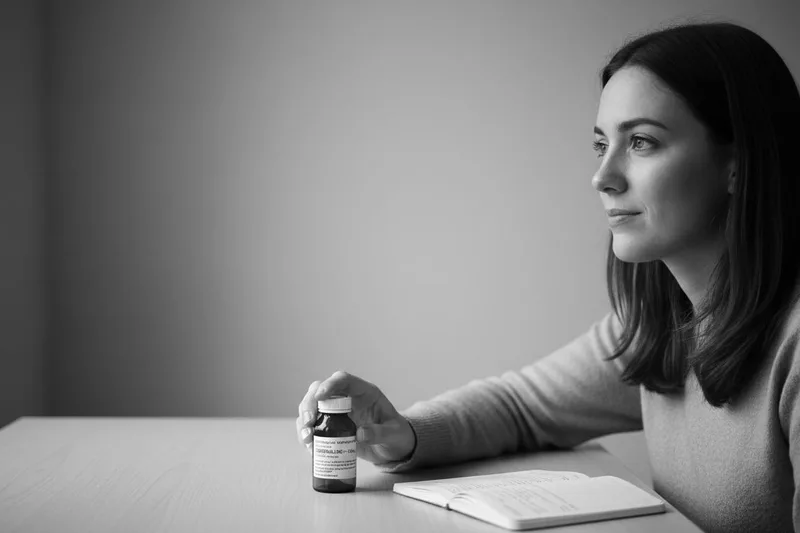
Have you ever been prescribed medication by your doctor for depression or another mental health condition? If so, you may be familiar with the term SSRI. This is actually a common name for a class of medication. Since many people use this class of medication, it is important for you to know exactly what it is. So today, let's talk briefly about what SSRIs are, how they work, and what you should be aware of when using them.
Simply put, what are SSRIs?
SSRIs are an abbreviation for Selective Serotonin Reuptake Inhibitors . They are a type of medication that is primarily used to treat symptoms of mental illness like depression. However, doctors also prescribe them for a number of other mental health conditions, not just depression.
There are several types of medications for depression. Among them, doctors tend to choose this SSRI type first. The main reason for this is that, compared to other types of medications, SSRIs usually have fewer side effects and are not as severe. This makes them much easier for patients to use.
Some of the most commonly prescribed SSRIs in Sri Lanka
See if the name of the medicine your doctor has prescribed is on this list. These are some of the most commonly used SSRIs in the world and in Sri Lanka. The brand names may vary, but they contain these types of medicines.
- Fluoxetine
- Sertraline
- Escitalopram
- Citalopram
- Paroxetine
- Fluvoxamine
What conditions is this medicine used for?
Doctors prescribe this medication for a variety of conditions. Some of these medications are officially approved for use. In other cases, doctors may prescribe them for other conditions based on their medical experience.
| Conditions for which SSRIs are most commonly prescribed | |
|---|---|
| Mainly recommended diseases |
|
| Other cases given at the doctor's discretion |
|
How does this medicine work in the body? It's amazing!
This is very simple to understand. Our brain cells communicate with each other, that is, they exchange messages, through chemicals called neurotransmitters .
Serotonin is one such special neurotransmitter. Simply put, serotonin helps control many things, including our mood, happiness, sleep, and appetite. That's why some people call it the "happy hormone."
Think of it this way. One brain cell sends a message to another cell using serotonin. After delivering the message, the cell that sent the message absorbs the remaining serotonin back into itself. This is called "reuptake."
In conditions like depression, the levels of serotonin in the brain can decrease. SSRI drugs do a very simple thing. They inhibit the reuptake of serotonin. What happens then? The amount of serotonin between the cells increases. This improves mood and the symptoms of depression gradually begin to decrease.
This type of medication is "selective" because it mainly affects serotonin. It does not have much effect on other neurotransmitters like dopamine or norepinephrine. That is one reason why side effects are reduced.
Side effects and risks to be aware of
Like any medication, SSRIs can have side effects. Not everyone gets them, but they usually go away after a few days. If you have any concerns, be sure to talk to your doctor.
| Common side effects | |
|---|---|
| Nausea or vomiting | It is most common in the early stages of starting medication. |
| Headache | This is also usually temporary. |
| Sleep problems | Insomnia or excessive sleepiness. |
| Dry mouth | Drinking water can provide relief. |
| Sexual difficulties | Decreased sexual desire, difficulty reaching orgasm, etc. If this is affecting your relationship, tell your doctor. |
| Dizziness | Be especially careful when changing positions. |
Risks that require the utmost care
These are a bit serious. They are very rare. But it is definitely important to be aware of them.
1. Serotonin Syndrome
This is the most dangerous risk. This condition occurs when the amount of serotonin in the body increases unnecessarily. The main reason for this is that SSRI medications are taken together with other medications that increase serotonin levels (e.g. MAOIs). Therefore, it is very important to inform your doctor about all the medications and vitamins you are taking.
If you or someone you know experiences symptoms of serotonin syndrome, go to the nearest hospital emergency department (ETU) immediately. This can be life-threatening.
- Common symptoms: restlessness, nausea, vomiting, diarrhea, excessive sweating, tremors, eye movements, muscle stiffness or twitching.
- Severe symptoms: confusion, high fever, high blood pressure, rapid heartbeat, seizures, unconsciousness.
2. Discomfort when stopping medication (Antidepressant Discontinuation Syndrome)
Many people call this "withdrawal symptoms." But this is not an addiction. SSRIs are not addictive medications. However, if you take the medication for more than 6 weeks and then stop taking it suddenly, you may experience some discomfort in your body.
Do not stop taking SSRI medication suddenly for any reason without your doctor's advice. If you do stop taking the medication, do so gradually, as your doctor tells you to.
Symptoms that occur after stopping:
- Fever-like (chest pain, sweating)
- Insomnia
- Nausea
- Dizziness
- Sensations like being struck by lightning
- Anxiety and restlessness
Answers to some more questions you may have in mind
How long does it take for this medicine to work?
This is very important. SSRI medications do not produce immediate results. It can take about 6 to 8 weeks to feel the full effect of the medication. So, do not stop taking the medication because there is not much difference in the first few weeks. Be patient. If there is no change after this time, talk to your doctor.
When do you want to see the doctor again?
If you are taking SSRIs, you should stay in regular contact with your doctor.
- If side effects bother you.
- If your symptoms do not improve or worsen.
- If you feel like you need to stop taking the medicine.
- If you have thoughts of suicide (this risk may be slightly increased, especially in those under 25 years of age when starting the medication. If this happens, inform your doctor immediately ).
Is it okay to drink alcohol with SSRIs?
Not good at all. Alcohol is also a central nervous system depressant. Therefore, alcohol can negate the effectiveness of SSRIs and worsen the symptoms of depression. Therefore, it is best to avoid alcohol completely while taking these medications.
Take-Home Message
- SSRIs are a very effective and widely used class of medications that treat conditions such as depression and anxiety.
- This medication is not addictive, but do not stop taking it suddenly without your doctor's advice.
- It may take about 6-8 weeks for the full effects of the medication to be seen. Be patient with the treatment.
- Tell your doctor about any other medications, vitamins, or supplements you are taking. This is essential to avoid the dangerous condition of serotonin syndrome .
- Don't be afraid to talk openly with your doctor about side effects or any other concerns. He or she will help you find the treatment that's right for you.


💬 Comments (0)
No comments yet. Be the first to share your thoughts here.
Add Your Comment