

Have you ever looked in the mirror and noticed your eyes are bright red, burning, or itching like crazy? Sometimes your eyelids might even swell up or feel sticky when you wake up. When these annoying eye problems happen, your doctor might prescribe a combination eye drop containing sulfacetamide and prednisolone.
Dealing with eye issues can feel scary because our vision is so precious to us. But you do not have to worry when you know the facts. This easy-to-read guide will walk you through what this medicine does, how to use it safely at home, and what signs to watch out for.
Let us take a close look at everything you need to know about sulfacetamide and prednisolone eye drops. We want you to feel confident and fully prepared to take care of your eye health every single day.
Quick Key Takeaways.
- This medicine combines a steroid to calm swelling and a sulfa antibiotic to fight bacteria.
- Always wash your hands before and after putting these drops into your eyes.
- Never let the dropper tip touch your eye, fingers, or any other surface.
- Finish your entire prescribed course of medicine even if your eyes feel completely better.
- Call your doctor right away if your vision changes or your eye pain gets worse.
eGFR calculator using the CKD-EPI 2021 equation. Estimate kidney function from creatinine and identify CKD stage.
What is Sulfacetamide and Prednisolone Eye Solution?
Simply put, this medicine is a powerful team of two active ingredients mixed together. One ingredient is a steroid. The other ingredient is a sulfa antibiotic.
These two components work together as a team inside your eye. The steroid helps lower swelling, redness, and annoying itching. Meanwhile, the antibiotic helps treat and prevent certain bacterial eye infections.
You might receive this medicine under common brand names like Blephamide, Optimyd, Sulster, or Vasocidin. Do not let different names confuse you. They all contain the exact same active medical ingredients.
Things to Tell Your Doctor Before Starting This Medicine.
Before you use these eye drops for the first time, you must share your complete health history with your doctor or pharmacist. Not every medicine is safe for every person.
Make sure you mention if you have any of the following health conditions or personal situations:
- You have another eye infection right now, especially a viral infection like chickenpox affecting the eye or a herpes eye infection.
- You currently have cataracts or clouding of your eye lenses.
- You have glaucoma or high pressure inside your eyes.
- You wear contact lenses every day.
- You had an allergic reaction to sulfa drugs, corticosteroids, other medicines, foods, dyes, or preservatives in the past.
- You are pregnant right now or trying to get pregnant.
- You are breastfeeding a baby.
Sharing these important details helps your doctor decide if this specific eye drop is safe for you. They can also give you custom safety tips.
How to Use This Medicine Correctly.
This medicine is meant strictly for use in your eyes. Never swallow it or take it by mouth under any circumstances. Always follow the exact instructions written on your prescription label by your doctor.
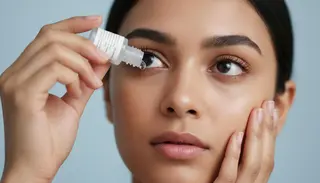
Here is the proper step-by-step way to apply your eye drops safely:
- First, wash your hands thoroughly with clean soap and water. Wash your hands again after you finish putting the drops in.
- Shake the medicine bottle gently before every use.
- Tilt your head back slightly and pull your lower eyelid down gently with your clean finger to form a small pocket.
- Hold the dropper above your eye. Never let the tip of the dropper touch your eye, your fingers, or any other surface to keep the liquid germ-free.
- Squeeze the prescribed number of drops gently into the pocket you created in your lower eyelid.
- Close your eyes gently. Do not squeeze your eyelids shut tightly.
- Keep your eyes closed for a minute or two so the medicine spreads evenly across your eyeball.
- Your vision might look a little blurry for a few minutes right after putting the drops in. This is completely normal and temporary.
- Use your drops at the exact time intervals your doctor recommended. Do not use extra drops or use them more often than told.
Important Rule: Even if your eyes feel completely better after a couple of days, keep using the medicine for the full number of days your doctor prescribed. Never stop early on your own.
Using This Medicine for Young Children.
If you need to give these eye drops to a young child, you must talk with your pediatrician first. Children need special care and careful dose checks from a child health specialist.
What to Do If You Use Too Much.
If you think you accidentally put too many drops into your eye, stay calm. If someone swallows the liquid by accident, call your local poison control center or go to the nearest emergency room right away.
Sharing Warning: This medicine was prescribed for you and your specific condition only. Never share your eye drops with anyone else, even if they have the exact same symptoms.
What to Do If You Miss a Dose.
If you forget to put your drops in at the scheduled time, apply them as soon as you remember. However, if it is almost time for your next regular dose, skip the missed dose completely.
Just go back to your normal dosing schedule with the next dose. Never try to make up for a missed dose by putting in a double dose.
Does This Medicine Interact With Other Things?
Yes, other products can interact with these eye drops. Because of this, you should never use other eye products without asking your doctor or pharmacist first.
In particular, topical local anesthetics used in the eye can interact poorly with this medicine. Your doctor needs to know about everything you put in or on your body.
This list does not cover every possible drug interaction. Tell your doctor about every vitamin, herbal product, over-the-counter medicine, and dietary supplement you take. Also mention if you smoke, drink alcohol, or use recreational drugs.
Things to Watch Out For While Using This Medicine.
If you use these drops for two full days and your eye symptoms do not get better, or if they get worse, contact your doctor right away.
If you have eye problems in the future, do not reuse these leftover drops without asking your doctor first.
Never stop using this medicine suddenly without your doctor's approval. Stopping abruptly can cause severe problems or bring your infection roaring back. Your doctor will tell you when and how to taper off safely.
Watch closely for any signs of an allergic reaction. If you notice a skin rash, itching, or swollen eyelids, stop using the drops and call your doctor right away.
These drops can make your eyes more sensitive to bright sunlight. Wear a good pair of sunglasses whenever you step outside during the day.
Possible Side Effects of This Medicine.
Like all medicines, these eye drops can cause side effects, though not everyone gets them. Some side effects are mild while others require fast medical attention.
Side Effects Requiring Immediate Medical Help.
Call your doctor or seek emergency care right away if you notice any of these serious warning signs:
- Signs of an allergic reaction such as skin rash, itching, hives, or swelling of your face, lips, tongue, or throat.
- Sudden changes in your vision or blurry vision that does not go away.
- New or worsening eye pain.
- Severe burning, stinging, or swelling of your eyelids.
Mild Side Effects That Usually Go Away.
Other side effects are usually mild and temporary. If they stay for a long time or bother you a lot, let your doctor know:
- Blurry vision for just a few moments right after you put the drops in.
- Temporary redness or mild stinging right after application.
- Temporary watering of your eyes.
This list does not include every single side effect. If you experience strange symptoms, talk to your doctor. In the US, you can also report side effects to the FDA at 1-800-FDA-1088.
How to Store Your Eye Drops Properly.
Keep these eye drops safely tucked away in a place where small children and pets cannot reach them.
Store the bottle at normal room temperature, between 15°C and 30°C (59°F and 86°F). Never put the bottle in the freezer. Do not let it freeze solid.
Protect the medicine from bright light by keeping it in its original box when possible. Always check expiration dates and safely throw away expired medicines.
Emergency Red Flags: When to Call 911 or 999.
Seek emergency medical care right away (call 911 in the US/Canada or 999 in the UK) if you experience sudden loss of vision, severe eye trauma, unbearable eye pain, or signs of a severe whole-body allergic reaction such as trouble breathing or throat swelling.
Quick Comparison: What to Do and What to Avoid.
| Do's (Safe Practices). | Don'ts (Things to Avoid). |
|---|---|
| Wash your hands before and after applying your eye drops. | Never touch the dropper tip to your eye or fingers. |
| Complete the full treatment course prescribed by your doctor. | Never share your prescription eye drops with anyone else. |
| Wear sunglasses if your eyes become sensitive to light. | Never stop using the medicine suddenly without medical advice. |
💡 Take-Home Message.
We hope this guide gives you a clear and helpful understanding of sulfacetamide and prednisolone eye drops. Always remember that this medicine requires a doctor's guidance for safe use.
Knowing how to apply your drops, recognizing side effects, and following safety rules helps you heal faster. If you have any doubts or questions, reach out to your doctor right away. Your eyes are precious, so let us take great care of them together!
Tags: Sulfacetamide, Prednisolone, Eye Drops, Bacterial Eye Infection, Steroid Eye Drops, Eye Health, Side Effects





No comments yet. Be the first to share your question or experience below.