
Enjoying a warm, sunny day outside feels wonderful, does it not? That warm feeling on your skin and the bright daylight bring a natural boost of energy. Many of us also spend time in the sun because we want a glowing, golden tan.
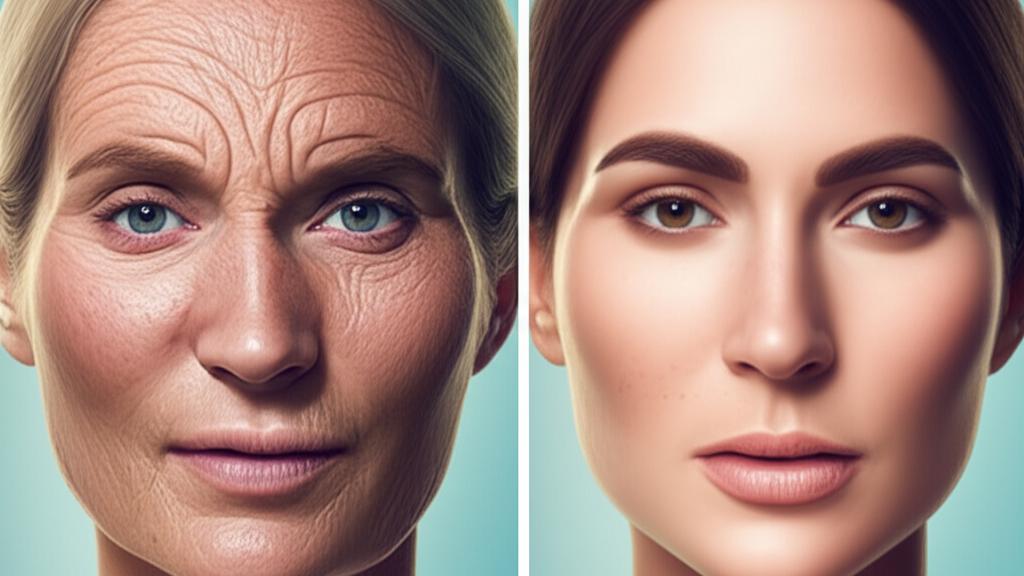
Even though we love spending time outdoors, sunlight is not always kind to our skin. Most of the fine lines, wrinkles, and dark spots that appear as you age are caused by exposure to ultraviolet rays. Imagine two women who are both forty years old today.
One woman protected her skin from the sun every single day. This the other never really thought about it. The woman who protected her skin often looks like she is only thirty years old. That is how quickly unprotected sun exposure can age your skin.
Key Takeaways for Your Skin Health
- Ultraviolet radiation from the sun is the primary cause of premature skin aging and skin cancer.
- Cloudy and rainy days still let harmful UV rays reach your skin, so daily protection is vital.
- Using the ABCDE rule helps you spot early warning signs of dangerous moles or skin growths.
- Applying broad-spectrum sunscreen with SPF 30 or higher every day protects your skin effectively.
- Early detection makes most skin cancers highly treatable, so never ignore new or changing spots.
Many people believe that a glowing, tanned skin tone is a sign of good health. However, getting burned by the sun or using tanning booths actually speeds up skin aging and raises your risk of skin cancer. Over time, ultraviolet light damages the elastic fibers inside your skin.
Once these fibers break down, your skin starts to sag and stretch out of shape. Skin injuries also take much longer to heal when sun damage builds up over the years. You might not notice these changes when you are young, but your future self will certainly see them.
BMI Calculator
Know your body mass index (BMI) and weight classification
What Sunlight Actually Does to Your Skin
Excessive exposure to sunlight can damage your skin in many different ways. To put it simply, here are the common skin conditions linked to chronic sun damage:
| Sun-Related Skin Condition | Simple Explanation |
|---|---|
| Pre-Cancerous and Cancerous Growths | Rough patches called actinic keratosis and skin cancers like basal cell carcinoma, squamous cell carcinoma, and melanoma caused by lower skin immunity. |
| Benign Tumors | Non-harmful, harmless small growths or bumps that develop on sun-exposed areas of the skin. |
| Wrinkles and Fine Lines | Shallow and deep creases that form as collagen and elastin break down from UV exposure. |
| Freckles | Small, harmless brown spots that pop up on your face, arms, and shoulders after sun exposure. |
| Mottled Pigmentation | Uneven skin tone where patches of skin become darker or lighter in different spots. |
| Sallowness | A dull, unhealthy yellowish tint that replaces your natural, vibrant skin glow. |
| Telangiectasias | Tiny red blood vessels that stretch out and become visible right beneath the skin surface. |
| Elastosis | Sagging skin caused by the complete destruction of elastic fibers and collagen proteins. |
What Causes Skin Cancer?
Skin cancer is one of the most common types of cancer diagnosed around the world. To put it simply, skin cancer happens when skin cells grow in an abnormal and uncontrolled way. This rapid cell growth forms tissue masses called tumors.
Some of these tumors are benign, meaning they are harmless and do not spread. Other tumors are malignant, meaning they are cancerous and can spread to nearby tissues. There are three main types of skin cancer that doctors watch for:
1. Basal Cell Carcinoma: This is a very common and slow-growing skin cancer.
2. Squamous Cell Carcinoma: This cancer starts in the middle and outer layers of your skin.
3. Melanoma: This is a serious skin cancer that begins in cells that give your skin its color.
The first two types—basal cell and squamous cell—are very common. Doctors often refer to them as non-melanoma skin cancers. These types are rarely life-threatening, and doctors can cure them completely if caught early.
The main trigger for skin cancer is ultraviolet radiation from the sun. Artificial tanning beds also emit dangerous UV radiation that damages your skin cells in the exact same way. Even on cloudy or rainy days, UV rays pass through the clouds and reach the ground. Thinking it is safe to go outside without protection just because the sun is hidden is a dangerous mistake.
Who Is at Higher Risk for Skin Cancer?
Anyone can develop skin cancer regardless of their background, but certain people face a much higher risk. You should be extra careful if you fit into any of these categories:
- You have very fair skin that burns easily in the sun.
- You have many freckles and moles across your body.
- You have natural light-colored eyes like blue or green.
- You have red or blonde hair.
- You have a personal or family history of skin cancer.
- You work outdoors for many hours every day, such as farming or construction.
- You live in a sunny climate or high-altitude region.
- You experienced severe, blistering sunburns during your childhood.
- You have more than thirty unusual or large moles on your body.
Did You Know? People with dark skin tones can also get skin cancer. While the overall risk is lower, skin cancer in darker skin types is often found at a later, more advanced stage. Everyone needs to check their skin regularly.
Symptoms of Skin Cancer: How to Recognize Them
The most common warning sign of skin cancer is a new change on your skin. This could be a brand new spot, a sore that does not heal, or a mole that changes shape over time. Different types of skin cancer look different on your body:
- Basal Cell Carcinoma: Often appears as a small, smooth, shiny bump that looks like a pearly white pearl on your face, ears, or neck.
- Squamous Cell Carcinoma: Often shows up as a firm red bump, or a rough, scaly patch that may crust over and bleed easily.
- Melanoma: Can look like an unusual brown spot or a dark mole with irregular borders, or an existing mole that changes color and size.
Doctors use a simple tool called the ABCDE rule to help patients check their moles at home. Memorize these five letters to evaluate your spots:
| ABCDE Rule | What to Look For |
|---|---|
| Asymmetry | One half of the mole does not match the other half when you draw a line through the middle. |
| Border | The edges are irregular, ragged, notched, or blurred rather than smooth and well-defined. |
| Color | The color is not uniform and may include different shades of brown or black, patches of pink, red, white, or blue. |
| Diameter | The spot is larger than 6 millimeters (about the size of a pencil eraser), though melanomas can sometimes be smaller. |
| Evolving | The mole is changing in size, shape, color, or elevation, or begins to itch, crust, or bleed. |
What to Do If You Notice a Skin Change
If you spot a suspicious change on your skin, try not to panic. Most skin changes are completely harmless, but you should never ignore them. Make an appointment to see your family doctor or a skin specialist, known as a dermatologist, right away.
Your doctor will examine the area closely using a special magnifying tool called a dermatoscope. Getting a professional opinion gives you peace of mind and ensures you get timely care if anything is wrong.
Diagnosing and Treating Skin Cancer
If your doctor sees a spot that looks suspicious, they will usually perform a simple medical procedure called a skin biopsy. During a biopsy, your doctor numbs the skin with local medicine and takes a tiny sample of the abnormal tissue.
A specialist examines this sample under a microscope to confirm whether cancer cells are present. This test tells your doctor the exact type of skin cancer you have and how deep it goes.
Treatment options depend on the type of skin cancer, its size, and where it is located on your body:
- Treatments for Non-Melanoma Skin Cancer: Doctors can often remove these cancers completely with minor surgery. Other methods include scraping the lesion and using heat to destroy remaining cells, freezing abnormal tissue with liquid nitrogen, or applying prescription medicated creams.
- Treatments for Melanoma: Doctors usually perform a wider surgical removal to take out the cancer and a small margin of healthy skin around it. They may also test nearby lymph nodes to see if the cancer has spread. If melanoma has spread, advanced therapies such as immunotherapy or targeted drug treatments may be necessary.
Your medical team will discuss all your options and help you choose the best treatment plan for your situation.
How to Protect Yourself from Skin Cancer
You cannot reverse past sun damage completely, but you can protect your skin starting today. It is never too late to adopt healthy sun safety habits and prevent future damage.
| Sun Safety Habit | What You Should Do |
|---|---|
| Wear Sunscreen Daily | Apply a broad-spectrum sunscreen with SPF 30 or higher twenty minutes before going outside. Reapply every two hours, or after swimming or sweating. |
| Choose Protective Clothing | Wear long-sleeve shirts, wide-brimmed hats, and sunglasses with UV protection whenever you are out in the bright sun. |
| Avoid Peak Sun Hours | Stay out of direct sunlight between 10:00 AM and 2:00 PM when the sun rays are strongest and most damaging. |
| Check Your Skin Monthly | Stand in front of a full-length mirror once a month to inspect your entire body for new or changing spots and moles. |
| Protect Children Early | Teach kids healthy sun habits early, as a large percentage of lifetime sun damage happens before eighteen years of age. |
When to Seek Immediate Medical Attention
Call emergency services at 911 (US/Canada) or 999 (UK), or go to your nearest Emergency Department (ER / A&E) right away if you experience sudden, severe skin reactions such as:
- Widespread blistering covering large parts of your body after sun exposure.
- High fever, chills, dizziness, or confusion following a severe sunburn (sun poisoning).
- A skin sore that starts bleeding profusely, swells rapidly, or shows signs of a severe bacterial infection.
💡 Take-Home Message
Ultraviolet radiation from sunlight and tanning beds is the primary cause of skin cancer. Even on cloudy days, these harmful rays reach your skin and accumulate over time. Checking your skin regularly using the ABCDE rule helps you catch potential problems early.
If you notice any new spots, unusual bumps, or changing moles, do not wait or panic. Schedule an appointment with your doctor or a dermatologist right away. Applying SPF 30 sunscreen, wearing protective clothing, and staying out of peak sunlight are simple steps that save lives.
Most skin cancers are fully curable when found in their earliest stages. Staying informed and practicing sun safety every day ensures your skin stays healthy for a lifetime.
A Note from Dr. Priya Sammani: As a medical editor and doctor, I want to remind you that your skin tells the story of your life. Protecting it today is one of the kindest things you can do for your future health. Enjoy the outdoors safely, wear your sunscreen, and never hesitate to ask your doctor if a mole looks unusual.






No comments yet. Be the first to share your question or experience below.