How long is mono contagious? (Mononucleosis) - Let's find out exactly what it is!

How long is mono contagious? (Mononucleosis) - Let's find out exactly what it is!

Do you sometimes wish you knew exactly how long you can be contagious to others when you get this disease called "Mono"? Actually, it's a bit complicated. Because the virus that causes it works in our bodies in a very subtle way. That's why many people get confused about how long it's contagious. Today, we'll talk about this simply, in a way that you can understand very well.

What is this "Mono"?

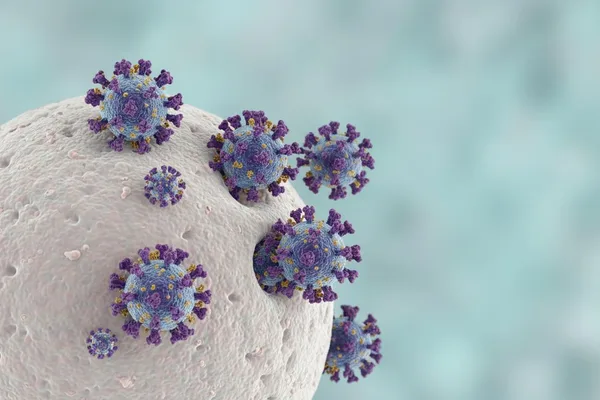
Simply put, "mono" is a medical condition called "mononucleosis." It is most often caused by an infection with the Epstein-Barr Virus, or "EBV" for short. This virus is very common. You may have had it before, without even knowing it.

Think of it this `(EBV)` virus is like someone sneaking in and taking up residence in our bodies. Some people can have this virus without showing any symptoms. But for others, "mono" symptoms appear quite clearly.

How is "mono" transmitted? How long is it contagious?

This is the biggest problem that many people have. It's hard to say exactly how long mono is contagious, because it can vary from person to person. Let's break this down into a few parts.

Can you be contagious before symptoms appear?

Yes, it is possible. Once a person is infected with the EBV virus, they can spread it to others. However, the problem is that after the virus enters the body, it takes a long time for symptoms (such as fatigue, fever, body aches, headaches, and sore throat) to appear. This time is called the "incubation period." This can usually be about a month or two.

Imagine, one of your friends is infected with the virus and doesn't feel any pain. But you can still get the virus from him without him knowing. That's the trick here.

Can you spread the virus without symptoms?

This is another confusing fact. There are some people who, even though they have the `(EBV)` virus in their body, never develop "mono" symptoms. That means they don't even know they have the virus. However, they can still spread the virus to others. In fact, if you look at most adults, the majority of them have been infected with the `(EBV)` virus at some point in their lives.

How contagious are you when you have symptoms?

A person is definitely contagious when they have symptoms of "mono." These symptoms can last for two to four weeks, sometimes longer. During this time, it's important to avoid close contact with others.

Are you still contagious after your symptoms have resolved?

This is where medical experts have a hard time coming to a definitive conclusion. It is believed that the virus can be contagious for several months after symptoms have completely disappeared. This means that even after you have had "mono" and recovered, there is a small chance that you can pass it on to someone else.

What happens to the virus after that? Does it stay in the body?

Yes, the virus that causes "mono" (EBV) is a very cunning one. After you get sick and recover, this virus does not completely disappear from your body. It remains "dormant" (i.e., dormant and silent) in some cells of your body throughout your life.

But, sometimes this dormant virus can "wake up" again. When it does, it can be added to your saliva. The strange thing is, you may not feel any symptoms at that time, like you have mono. But, you can unknowingly spread the virus to others through your saliva. So, there is a very small chance that someone who has had mono before, even if they are not having any problems, can spread the virus to others. That's why it's so complicated.

The "mono" virus is like someone who has taken up residence in our home and comes and goes from time to time. We don't even know he's there, and we don't know when he comes out.

Why is it difficult to stop the spread of "mono"?

Now you can see how subtle and sneaky the EBV virus is. That's why the spread of "mono" is so difficult to control. Because the virus is so common, infections are also common. It is especially common among young people, for example, schoolchildren and university students. One reason for this is that people in these age groups tend to be more likely to be together, share the same things, and even kiss each other (which is why it is sometimes called the "Kissing Disease").

Also, preventing the spread of the virus is a challenge, as many people are unaware that they are infected and infect others.

What do we do then?

While we can't completely stop the spread of "mono," there are things we can do.

The best and simplest way to protect yourself from viruses like these is to wash your hands regularly . This will protect you from not only `(EBV)`, but also from many other germs.

  • Wash your hands before eating and before preparing food.
  • Be sure to wash your hands after using the toilet.
  • Wash your hands after coming from crowded places.
  • Use a tissue when coughing or sneezing, or cough/sneeze into the crook of your elbow. Wash your hands afterward.

If you have symptoms of "mono" (extreme fatigue, fever, sore throat, swollen lymph nodes in the neck), avoid close contact with other people. In particular, do not share your eating utensils, cups, cutlery, towels, etc. Avoid kissing.

Most importantly: If you suspect you have mono, be sure to see a doctor. They will give you the advice and treatment you need.

Let's remember the most important things (Take-Home Message)

Okay, so from what we've discussed, I hope you have a good understanding of "mono" (mononucleosis) and how it is transmitted. Here are some key points to remember:

  • The virus that causes "mono" (EBV) can be contagious before symptoms appear , during symptoms , and sometimes for months after symptoms have resolved .
  • Some people can have the virus without any symptoms and still spread it to others.
  • The virus can remain dormant in the body throughout life, sometimes reactivating and being transmitted through saliva without causing symptoms (but this happens very rarely).
  • This makes it difficult to prevent the spread of "mono." Frequent hand washing is the best protection.
  • If you have symptoms of "mono" or suspect you have it, seek medical advice .

I hope this information is useful to you. Stay healthy!


Mononucleosis, Epstein-Barr Virus, EBV, infectious diseases, fever, sore throat, viral infection

Frequently Asked Questions (FAQ)

Can you spread the virus without symptoms?

This is another confusing fact. There are some people who, even though they have the `(EBV)` virus in their body, never develop "mono" symptoms. That means they don't even know they have the virus. However, they can still spread the virus to others. In fact, if you look at most adults, the majority of them have been infected with the `(EBV)` virus at some point in their lives.

Are you still contagious after your symptoms have resolved?

This is where medical experts have a hard time coming to a definitive conclusion. It is believed that the virus can be contagious for several months after symptoms have completely disappeared. This means that even after you have had "mono" and recovered, there is a small chance that you can pass it on to someone else.

⚠️ Important: The medical articles and information on Nirogi Lanka are for general awareness only, and are by no means a substitute for professional medical advice, diagnosis, or treatment. For any medical problem you have, consult a qualified physician immediately.

💬 Comments (0)

No comments yet. Be the first to share your thoughts here.

Add Your Comment

Please calculate: 5 + 7 =
How long is mono contagious? (Mononucleosis) - Let's find out exactly what it is!

How long is mono contagious? (Mononucleosis) - Let's find out exactly what it is!

Do you sometimes wish you knew exactly how long you can be contagious to others when you get this disease called "Mono"? Actually, it's a bit complicated. Because the virus that causes it works in our bodies in a very subtle way. That's why many people get confused about how long it's contagious. Today, we'll talk about this simply, in a way that you can understand very well.

What is this "Mono"?

Simply put, "mono" is a medical condition called "mononucleosis." It is most often caused by an infection with the Epstein-Barr Virus, or "EBV" for short. This virus is very common. You may have had it before, without even knowing it.

Think of it this `(EBV)` virus is like someone sneaking in and taking up residence in our bodies. Some people can have this virus without showing any symptoms. But for others, "mono" symptoms appear quite clearly.

How is "mono" transmitted? How long is it contagious?

This is the biggest problem that many people have. It's hard to say exactly how long mono is contagious, because it can vary from person to person. Let's break this down into a few parts.

Can you be contagious before symptoms appear?

Yes, it is possible. Once a person is infected with the EBV virus, they can spread it to others. However, the problem is that after the virus enters the body, it takes a long time for symptoms (such as fatigue, fever, body aches, headaches, and sore throat) to appear. This time is called the "incubation period." This can usually be about a month or two.

Imagine, one of your friends is infected with the virus and doesn't feel any pain. But you can still get the virus from him without him knowing. That's the trick here.

Can you spread the virus without symptoms?

This is another confusing fact. There are some people who, even though they have the `(EBV)` virus in their body, never develop "mono" symptoms. That means they don't even know they have the virus. However, they can still spread the virus to others. In fact, if you look at most adults, the majority of them have been infected with the `(EBV)` virus at some point in their lives.

How contagious are you when you have symptoms?

A person is definitely contagious when they have symptoms of "mono." These symptoms can last for two to four weeks, sometimes longer. During this time, it's important to avoid close contact with others.

Are you still contagious after your symptoms have resolved?

This is where medical experts have a hard time coming to a definitive conclusion. It is believed that the virus can be contagious for several months after symptoms have completely disappeared. This means that even after you have had "mono" and recovered, there is a small chance that you can pass it on to someone else.

What happens to the virus after that? Does it stay in the body?

Yes, the virus that causes "mono" (EBV) is a very cunning one. After you get sick and recover, this virus does not completely disappear from your body. It remains "dormant" (i.e., dormant and silent) in some cells of your body throughout your life.

But, sometimes this dormant virus can "wake up" again. When it does, it can be added to your saliva. The strange thing is, you may not feel any symptoms at that time, like you have mono. But, you can unknowingly spread the virus to others through your saliva. So, there is a very small chance that someone who has had mono before, even if they are not having any problems, can spread the virus to others. That's why it's so complicated.

The "mono" virus is like someone who has taken up residence in our home and comes and goes from time to time. We don't even know he's there, and we don't know when he comes out.

Why is it difficult to stop the spread of "mono"?

Now you can see how subtle and sneaky the EBV virus is. That's why the spread of "mono" is so difficult to control. Because the virus is so common, infections are also common. It is especially common among young people, for example, schoolchildren and university students. One reason for this is that people in these age groups tend to be more likely to be together, share the same things, and even kiss each other (which is why it is sometimes called the "Kissing Disease").

Also, preventing the spread of the virus is a challenge, as many people are unaware that they are infected and infect others.

What do we do then?

While we can't completely stop the spread of "mono," there are things we can do.

The best and simplest way to protect yourself from viruses like these is to wash your hands regularly . This will protect you from not only `(EBV)`, but also from many other germs.

  • Wash your hands before eating and before preparing food.
  • Be sure to wash your hands after using the toilet.
  • Wash your hands after coming from crowded places.
  • Use a tissue when coughing or sneezing, or cough/sneeze into the crook of your elbow. Wash your hands afterward.

If you have symptoms of "mono" (extreme fatigue, fever, sore throat, swollen lymph nodes in the neck), avoid close contact with other people. In particular, do not share your eating utensils, cups, cutlery, towels, etc. Avoid kissing.

Most importantly: If you suspect you have mono, be sure to see a doctor. They will give you the advice and treatment you need.

Let's remember the most important things (Take-Home Message)

Okay, so from what we've discussed, I hope you have a good understanding of "mono" (mononucleosis) and how it is transmitted. Here are some key points to remember:

  • The virus that causes "mono" (EBV) can be contagious before symptoms appear , during symptoms , and sometimes for months after symptoms have resolved .
  • Some people can have the virus without any symptoms and still spread it to others.
  • The virus can remain dormant in the body throughout life, sometimes reactivating and being transmitted through saliva without causing symptoms (but this happens very rarely).
  • This makes it difficult to prevent the spread of "mono." Frequent hand washing is the best protection.
  • If you have symptoms of "mono" or suspect you have it, seek medical advice .

I hope this information is useful to you. Stay healthy!


Mononucleosis, Epstein-Barr Virus, EBV, infectious diseases, fever, sore throat, viral infection

Frequently Asked Questions (FAQ)

Can you spread the virus without symptoms?

This is another confusing fact. There are some people who, even though they have the `(EBV)` virus in their body, never develop "mono" symptoms. That means they don't even know they have the virus. However, they can still spread the virus to others. In fact, if you look at most adults, the majority of them have been infected with the `(EBV)` virus at some point in their lives.

Are you still contagious after your symptoms have resolved?

This is where medical experts have a hard time coming to a definitive conclusion. It is believed that the virus can be contagious for several months after symptoms have completely disappeared. This means that even after you have had "mono" and recovered, there is a small chance that you can pass it on to someone else.

⚠️ Important: The medical articles and information on Nirogi Lanka are for general awareness only, and are by no means a substitute for professional medical advice, diagnosis, or treatment. For any medical problem you have, consult a qualified physician immediately.

💬 Comments (0)

No comments yet. Be the first to share your thoughts here.

Add Your Comment

Please calculate: 5 + 7 =