
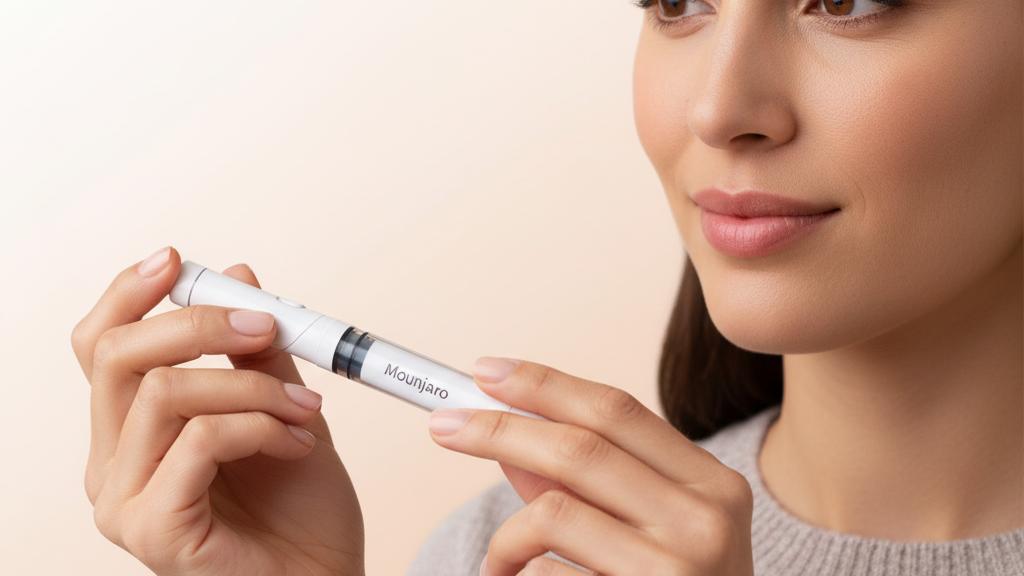
Did your doctor just suggest starting a new injection for your type 2 diabetes? If you saw the name Tirzepatide on your prescription, you might feel a little unsure or curious about what to expect. There is no need to worry because this guide will walk you through everything in clear, everyday words.
Managing diabetes can feel overwhelming when you first hear new medical terms. Think of this guide as a friendly chat with your doctor to help you feel confident, safe, and fully prepared.
Key Takeaways About Tirzepatide
- Tirzepatide is a weekly subcutaneous injection used to help manage type 2 diabetes alongside healthy food and exercise.
- It helps your body release more insulin and slows down digestion to prevent sudden blood sugar spikes.
- You must take your injection once every seven days on the exact same day each week.
- Never share your injection pen with anyone else, even if you change the needle.
- Always tell your doctor about every medicine, vitamin, or herbal supplement you take.
HbA1c converter
Convert HbA1c values to normal blood sugar levels
What Is Tirzepatide in Simple Terms?
Tirzepatide is a modern medicine given as an injection under your skin to help control type 2 diabetes. Doctors often prescribe it under the brand name Mounjaro. This medicine works inside your body in three very important ways to keep your blood sugar balanced.
- Boosts Insulin Levels: Insulin is a natural chemical in your body that lowers your blood sugar. This medicine helps your body make more insulin when your blood sugar gets too high after eating.
- Stops Extra Sugar: It prevents your liver from releasing extra sugar into your blood when your body does not need it.
- Slows Down Digestion: It slows down how fast food leaves your stomach. This stops sugar from rushing into your blood all at once after a meal.
Keep in mind that this medicine works best when you pair it with healthy meals and regular physical activity. It is a powerful tool, but healthy daily habits are still your strongest foundation.
Things to Tell Your Doctor Before Starting
Before you take your first dose, your doctor needs a complete picture of your health. Make sure to mention any past or current medical conditions so your care team can keep you safe.
| Your Health Condition | Why Your Doctor Needs to Know |
|---|---|
| Pancreatitis (swelling of the pancreas) | This medicine might raise your risk of having pancreas issues again. |
| Kidney or gallbladder problems | Your doctor may need to adjust your dose or monitor your organs closely. |
| Diabetic eye disease (retinopathy) | Rapid changes in blood sugar can sometimes temporarily affect your vision. |
| Stomach or gut digestion issues | Since this medicine slows digestion, existing gut problems need careful tracking. |
| Family history of thyroid cancer | Animal studies showed a small risk that requires extra safety caution in humans. |
| Pregnancy or planning to become pregnant | You should talk with your doctor about safe medicine choices for your baby. |
| Breastfeeding a baby | It is not yet fully known if this medicine passes into breast milk. |
| Allergies to medicines or foods | Always report any past allergic reactions to ensure safe prescribing. |
How to Use This Medicine Correctly
This medicine comes as an injection that goes into the fatty layer just beneath your skin. Your doctor or nurse will show you exactly how to do it so you feel comfortable.
- Take It Once a Week: You only need to give yourself this injection once every seven days on the same day each week.
- Follow Medical Advice: Keep taking your medicine regularly until your doctor tells you to stop.
- Never Mix Insulin: If you also take insulin injections, never mix insulin and Tirzepatide in the same syringe or injection site. Keep them separate.
- Rotate Injection Sites: Change where you inject each week. If you use your belly on week one, use your thigh or upper arm on week two to protect your skin.
- Read the Leaflet: Always read the paper instructions that come inside your medicine box before your first use.
Important Disposal Tip:
Never throw used needles or syringes into your regular household trash bin. Always place them inside a rigid plastic sharps container. Ask your local pharmacist or doctor where to turn in your full sharps container safely.
What Happens If You Take Too Much?
If you accidentally take more medicine than prescribed, do not panic. Call your doctor right away for guidance.
If you experience severe symptoms, go right away to the nearest hospital emergency department (ER / A&E) or call emergency services at 911 (US/Canada) or 999 (UK).
What to Do If You Miss a Dose
Life gets busy, and you might sometimes forget your weekly injection. Here is how to handle a missed dose safely:
- If your next scheduled dose is more than 4 days (96 hours) away, take your missed dose as soon as you remember.
- If it has been more than 4 days since your scheduled time, skip the missed dose entirely and take your next dose on your usual day.
- Never take two doses within a 3-day window to make up for a missed one.
Other Things That Can Interact With This Medicine
Many everyday medicines, vitamins, and herbal products can interact with your diabetes treatment. Make sure your doctor knows about everything you put into your body.
- Other diabetes pills such as glyburide or glipizide that can lower blood sugar.
- Pain relievers like aspirin or ibuprofen.
- Blood pressure and heart medicines like beta-blockers.
- Steroid medicines like prednisone or cortisone.
- Certain antibiotic medicines.
- Weight loss supplements and herbal remedies.
- Alcohol consumption, which can affect your blood sugar levels.
Things to Watch While Taking This Medicine
As you use this medicine, keep a close eye on how your body feels and attend all scheduled medical checkups.
- Regular Checkups: Visit your doctor on time so they can check your HbA1c blood test, which shows your average blood sugar over the last two to three months.
- Low Blood Sugar Warnings: Learn the warning signs of low blood sugar, which include dizziness, sweating, shaking, and sudden hunger. Always carry quick sugar sources like glucose tablets or hard candies with you.
- Never Share Pens: Your injection pen belongs only to you. Never share it with anyone else, even if you put on a brand-new sterile needle.
- Thyroid Health Signs: Watch for any unusual lumps in your neck, trouble swallowing, hoarse voice, or shortness of breath, and tell your doctor right away if you notice them.
- Stay Hydrated: Drink plenty of water throughout the day, especially if you experience mild nausea or upset stomach.
- Birth Control Considerations: If you take oral birth control pills, this medicine can sometimes affect how well your body absorbs them during the first few weeks or after a dose increase. Talk with your doctor about using a backup barrier method like condoms.
When to Seek Emergency Help
Call 911 (US/Canada), 999 (UK), or go to your nearest emergency room right away if you experience severe allergic reactions (swollen face, lips, tongue, or trouble breathing), severe upper stomach pain that travels to your back (signs of pancreatitis), or sudden right-sided upper abdominal pain with fever and vomiting.
Possible Side Effects to Know
Like all medicines, Tirzepatide can cause side effects. Many mild side effects improve as your body adjusts to the treatment.
| Side Effect Category | Common Signs and Symptoms |
|---|---|
| Stomach and Gut Adjustments | Mild nausea, occasional vomiting, stomach discomfort, diarrhea, or constipation. |
| Appetite Changes | Reduced hunger and feeling full much faster during meals. |
| Injection Site Reactions | Mild redness, itching, or minor bruising right where the needle entered your skin. |
How to Store Your Medicine Properly
Proper storage keeps your medicine safe and effective until you use it.
- Refrigerator Storage: Store your unused pens in a refrigerator between 36°F and 46°F (2°C to 8°C) inside their original carton. Never freeze your medicine.
- Room Temperature: If needed, you can keep your pen at room temperature below 86°F (30°C) for up to 21 days. Once kept at room temperature, use it within 21 days.
- Protect From Light: Keep your medicine away from direct sunlight and excessive heat.
- Check Expiry Dates: Always check the expiration date printed on the box before use and discard expired pens safely.
💡 Take-Home Message
- Tirzepatide is a weekly injection designed to support blood sugar control in adults with type 2 diabetes.
- Share your complete medical history and current medicine list with your doctor before starting treatment.
- Recognize low blood sugar signs and keep fast-acting glucose handy at all times.
- Never share your injection pens or needles with anyone else under any circumstances.
- Report unusual symptoms like severe belly pain or neck lumps to your doctor right away.
- Ask your healthcare team questions whenever you feel unsure about your routine.






No comments yet. Be the first to share your question or experience below.