
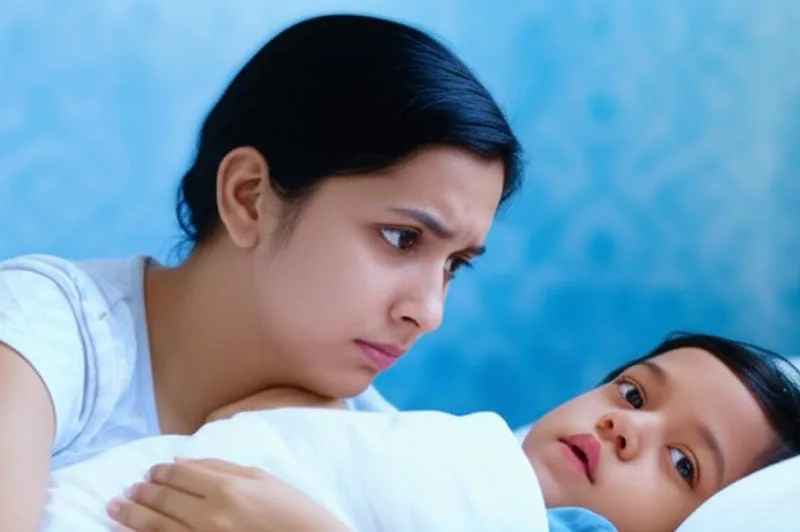
You've probably heard of meningitis, or what we sometimes call 'brain fever.' It's a serious condition that causes the protective covering around our brain and spinal cord to swell. It's normal to feel a little scared when you hear the name. But the best part is that there are many things we can do to protect ourselves from this disease. Simple things like getting vaccinated and washing our hands can greatly reduce the risk of us and our families getting this disease. So let's see how that works.
The main types of vaccines that prevent meningitis
The best and most effective way to protect against meningitis is to get the meningococcal vaccine. There are several types of these vaccines. These can prevent about 70% of cases of illness caused by the meningococcal bacteria. On average, nine out of ten people who get the vaccine are well protected.
Below are the main types of vaccines and a simple description of them.
| Vaccine category | Description and recommendations |
|---|---|
| Meningococcal conjugate vaccine (MCV4) | Doctors recommend that children receive this vaccine at age 11 or 12. Then, a booster dose is given at age 16. |
| Serogroup B Meningococcal B vaccine | This vaccine is generally recommended for young people, especially between the ages of 16 and 18 . |
| Meningococcal polysaccharide vaccine (MPSV4) | This is another type of vaccine that protects against meningitis. Your doctor will decide which vaccine is best for you based on your age, health, and risk factors. |
People at special risk who should get vaccinated
In addition to routine childhood vaccinations, doctors also recommend that people with certain risk factors get this vaccine. These include:
- People who think they have been in close contact with a meningitis patient: Because there is a high risk of contracting the disease.
- First-year students living in university dormitories: The risk of the disease spreading is high because many people live together.
- Those undergoing military training: Due to living close together in camps.
- People traveling to countries where meningitis is common (e.g. African countries).
- People who have had their spleen removed or whose spleen is not functioning properly: Because the spleen is an important organ in our immune system.
- People with specific weaknesses in the immune system: For example, those with conditions such as ``terminal complement component deficiency''.
- People who work in laboratories and are frequently exposed to meningococcal bacteria.
Even if you don't fall into any of these categories, if you have any doubts or fears about meningitis, don't hesitate to talk to your family doctor about it.
Keep these things in mind before getting vaccinated.
If you are very sick on the day of your vaccination, such as if you have a fever, cough, or a severe cold, wait until you are completely recovered before getting the vaccine. Also, you should avoid getting this vaccine if you have the following conditions:
- If you have had a severe allergic reaction to a previous dose of this vaccine.
- If you have a severe allergy to any component of the vaccine.
You may experience some mild pain and redness at the injection site. This is normal. However, if you experience symptoms of a severe allergic reaction such as high fever, feeling unwell, difficulty breathing, rapid heartbeat, or dizziness, call your doctor immediately or go to the nearest hospital emergency room (ETU) .
Another important vaccine that prevents meningitis
Meningitis can also occur as a complication of other diseases. Therefore, we can indirectly protect ourselves from meningitis by getting the vaccines that prevent these basic diseases. Many of these vaccines are included in the national vaccination program given to children in our country.
| Vaccine Name | Importance |
|---|---|
| Haemophilus influenzae type B (Hib) vaccine | This vaccine prevents infections that cause pneumonia and meningitis. Hib bacteria used to be the main cause of bacterial meningitis in children under 5 years of age. But this vaccine has now greatly reduced that incidence. |
| Pneumococcal vaccine | These provide protection against bacterial meningitis. This vaccine is recommended for children under 2 years of age and all adults over 65 years of age. |
| Measles, mumps, rubella (MMR) vaccine | Meningitis can occur as a complication of measles and mumps. The MMR vaccine eliminates that risk. |
| Varicella/Chickenpox vaccine | The chickenpox virus can also cause viral meningitis. This vaccine can protect against that risk. |
Other precautions that can be taken in addition to vaccinations
While vaccinations are our main defense, there are also some simple habits we can follow in our daily lives that can protect us from not only meningitis, but many other infectious diseases.
Meningitis can spread from one person to another through sneezing, coughing, kissing, and sharing items such as dishes, cutlery, and toothbrushes that have been used by the patient .
Imagine if someone in your family gets a contagious form of meningitis, limit close contact with that person as much as possible. Also, wash your hands thoroughly with soap and water frequently. This is very important.
If you have been in close contact with someone with meningitis, talk to your doctor immediately . Depending on the type of meningitis the patient has, your doctor may recommend that you also take antibiotics as a precaution. So don't be afraid, and if in doubt, seek medical advice.
Take-Home Message
- Although meningitis is a serious disease, don't forget that it is preventable.
- Vaccination is the most effective way to protect yourself from this disease. Talk to your family doctor about the appropriate vaccines for you and your children and get the necessary shots.
- In addition to vaccinations, it is also very important to follow good hygiene habits, such as washing hands frequently with soap and not sharing personal items (such as toothbrushes, cups) with others.
- If you have been in close contact with a person with meningitis or have any suspicions about the disease, do not hesitate to seek medical advice .


💬 Comments (0)
No comments yet. Be the first to share your thoughts here.
Add Your Comment