

Having a miscarriage is one of the most painful, heartbreaking moments you and your partner can ever face. When a journey that started with so much joy and hope comes to a sudden halt, the grief can feel overwhelming. In this difficult moment, your body and your heart need deep care, patience, and compassion.
Knowing what happens to your body, understanding your medical treatment options, and learning how to heal physically and emotionally can bring a sense of clarity. Let us walk through everything you need to know about miscarriage treatment, recovery, testing, and emotional well-being.
Key Takeaways for Your Recovery
- Physical and emotional pain after a miscarriage are completely real. Give yourself permission to grieve and heal at your own pace.
- The primary goals of medical treatment are to stop heavy bleeding, clear remaining tissue, and prevent dangerous infections.
- Avoid sexual intercourse and tampons for at least two weeks to protect your healing uterus from infection.
- A single miscarriage is very common, and most women go on to have healthy future pregnancies.
- Seek emergency medical care right away if you experience heavy bleeding or signs of a serious infection.
Baby's due date (EDD)
Calculate the due date based on the last menstrual period
Medical Treatments During and After a Miscarriage
If there are warning signs that a miscarriage might happen, your doctor will first try to stop the process if possible. However, in many cases, once a miscarriage begins, there is very little medicine can do to stop it from progressing.
Once a miscarriage is underway or complete, medical treatment focuses heavily on two main goals: stopping heavy bleeding and preventing dangerous infections. Your body often works naturally to clear the pregnancy tissue on its own, especially during the earliest weeks of pregnancy.
However, sometimes not all the tissue leaves the body naturally. Doctors refer to this situation as an incomplete miscarriage. When this happens, medical or surgical treatment is necessary to protect your health.
Common Medical and Surgical Options
If your body does not pass all the tissue naturally, your doctor will discuss treatment choices with you. These treatments help empty your uterus safely so your body can heal.
- Dilation and Curettage (D and C) Surgery: This is a common surgical procedure. You receive medicine to sleep so you feel no pain. The doctor gently opens your cervix and uses a special medical tool or suction device to clear the lining of your uterus.
- Medicine Treatment: Another option is taking prescription medicine such as Misoprostol. This medicine helps your uterus cramp and push out any remaining tissue without needing surgery. You and your doctor can decide which method is best for you.
After treatment, your doctor may prescribe antibiotics to protect you from infection. They will also check your blood type. If your blood type is Rh-negative, you will need a special injection called Rh immune globulin. This shot prevents your immune system from creating antibodies that could harm future pregnancies.
🚨 When to Seek Emergency Medical Care Right Away
While some bleeding and cramping are normal, certain warning signs require immediate medical attention. Call your doctor, go to the nearest emergency department, or dial 911 (US/Canada) or 999 (UK) if you notice:
- Heavy Bleeding: Soaking through two or more super-sized sanitary pads every hour for two hours in a row.
- Severe Fever or Chills: A high fever or shaking chills, which can indicate a serious uterine infection (septic abortion).
- Foul-Smelling Vaginal Discharge: Unusual discharge that smells bad or looks pus-like.
- Severe Abdominal Pain: Sharp, worsening pain that does not get better with pain medicine.
Medical Tests After a Miscarriage
Most of the time, a single miscarriage is an isolated event. Your chances of having a healthy pregnancy in the future remain very high. However, if you experience recurrent miscarriages (two or more losses in a row), your doctor may suggest diagnostic tests.
These tests help find out if there is an underlying medical reason that needs treatment before you try to conceive again.
| Test Category | What It Checks in Simple Terms |
|---|---|
| Imaging Tests | Checks the shape and structure of your uterus. Doctors may use an ultrasound, X-ray, or Hysteroscopy (a tiny camera placed inside the womb) to look for polyps, fibroids, or scar tissue. |
| Genetic Tests | Chromosome issues are a leading cause of miscarriage. A Karyotype test checks the chromosomes of both you and your partner to see if inherited genetic traits played a role. |
| Blood Tests | Measures hormone levels in your blood. It also checks for health conditions like diabetes, thyroid disorders, autoimmune disorders, and blood clotting problems that increase miscarriage risks. |
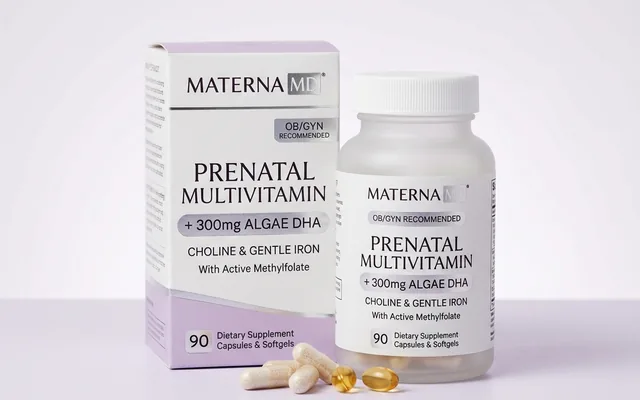
OB/GYN Methylfolate Prenatal Multivitamin + 300mg Algae DHA, Choline & Gentle Iron
Complete prenatal & postnatal vitamin with bioavailable L-Methylfolate, vegan DHA Omega-3, Choline for baby brain/neural tube development, and non-constipating chelated iron.
Physical Recovery: Healing Your Body
Your physical recovery after a miscarriage usually happens fairly quickly. Some women feel physically better within a few hours or days. This others need a few weeks to regain their full energy.
Doctors strongly recommend that you avoid sexual intercourse, tampons, and swimming pools for at least two weeks. This simple precaution lowers your risk of introducing bacteria into your healing uterus and prevents infections.
Your normal menstrual period will usually return within 4 to 6 weeks after the miscarriage. Your body is resetting its hormone cycle during this time.
Emotional Healing: Processing Grief and Loss
Emotional recovery is often the hardest part of the journey. Feeling deep grief, sadness, anger, or emptiness after losing a pregnancy is completely normal. Many parents experience a profound sense of loss that deserves validation and care.
Give yourself permission to grieve. Let your tears flow and take all the time you need. Healing emotionally cannot be rushed.
Having a trusted person to talk to makes a huge difference. This could be your partner, a close friend, or a family member. Sometimes, loved ones want to support you but do not know how. It is okay to gently tell them what you need most.
💡 Take-Home Message
As you navigate the days and weeks ahead, keep these core truths close to your heart:
- The physical and emotional pain you feel after a miscarriage is completely real. Allow yourself the time to grieve and heal.
- Watch for red flags like heavy bleeding (soaking more than one pad an hour) or fever, and seek medical care right away if they occur.
- Protect your physical health by avoiding sex and tampons for at least two weeks to stop infections.
- Never blame yourself. This loss was not your fault.
- A miscarriage does not mean you cannot have children. Your chances of a healthy future pregnancy remain very high. Wait for one or two normal menstrual cycles before trying again.
- You do not have to carry this grief alone. Reach out to trusted friends, family, or a professional counselor if you need extra support.
Sources & Clinical References
- American College of Obstetricians and Gynecologists (ACOG). Early Pregnancy Loss Patient FAQ.
- National Health Service (NHS UK). Miscarriage Overview, Treatment, and Recovery.
- Mayo Clinic. Miscarriage: Symptoms, Causes, and Care.
- Cleveland Clinic. Miscarriage Management and Recovery Guidelines.
- World Health Organization (WHO). Post-Abortion and Miscarriage Care Standards.


No comments yet. Be the first to share your question or experience below.