

Life can throw unexpected challenges your way when you least expect it. Whether you are dealing with a difficult family issue, a health diagnosis, or a stressful life transition, feeling overwhelmed is completely normal.
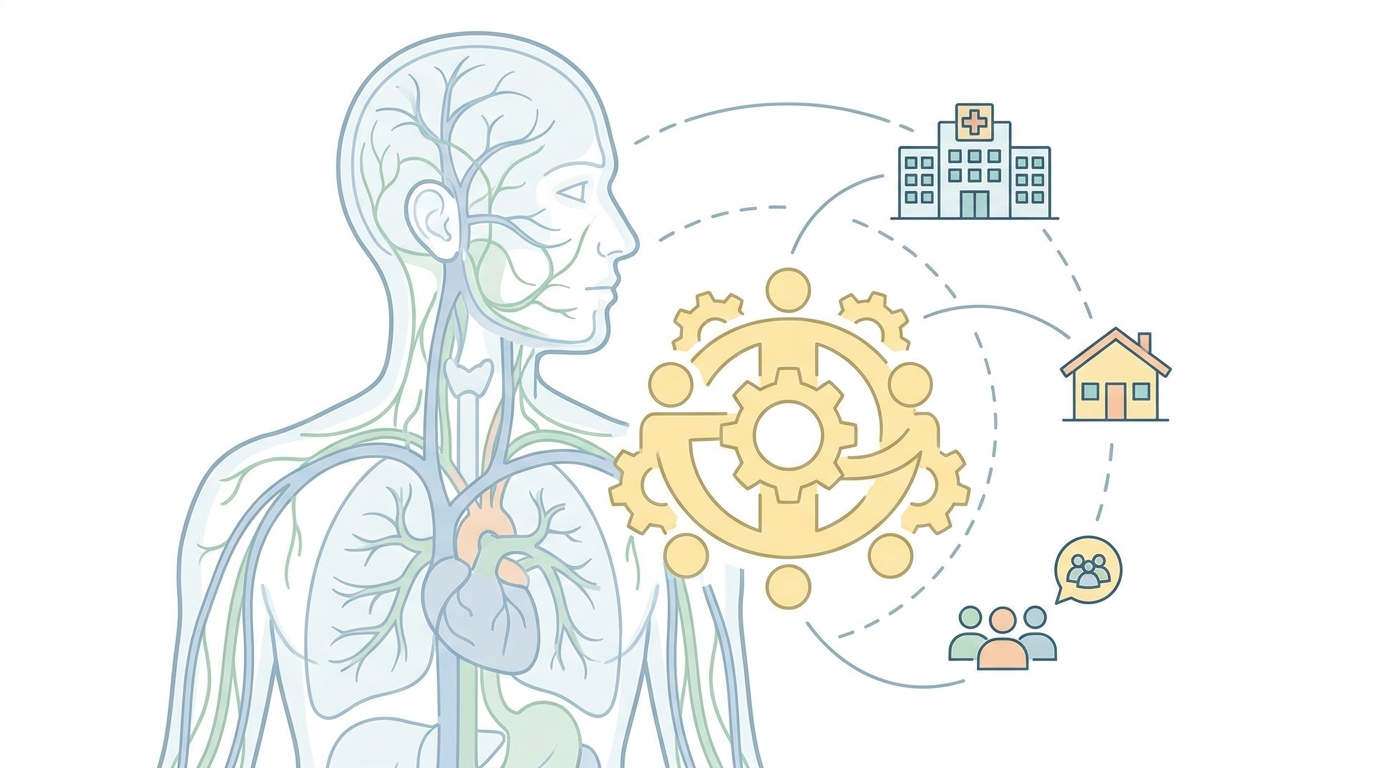
Did you know that there are specially trained professionals whose entire job is to support you and help you navigate these exact hurdles? These dedicated professionals are known as social workers.
Let us explore what social workers do, the different types of professionals in this field, and how they can help you or your family live a healthier, more stable life.
Key Takeaways.
- Social workers are trained professionals who help people, families, and communities overcome difficult life challenges.
- They work in diverse settings, including hospitals, schools, mental health clinics, and government agencies.
- Specialized types include clinical, healthcare, school, child and family, and justice social workers.
- They provide direct counseling, connect you with essential community resources, and advocate for your rights.
- Reaching out for support is a sign of strength, and social workers are here to help without judgment.
Who Is a Social Worker?
Simply put, a social worker is a specially trained professional. Their primary goal is to help people deal with difficult situations in their everyday lives.
This support can be for a single person, such as a child or an older adult, or it can extend to an entire family or community. If you feel like you do not have anyone to talk to or do not know how to solve a major problem, a social worker steps in as your advocate.
They act as your representative to find the exact help you need. Some social workers are known as clinical social workers.
Clinical social workers have advanced training to diagnose and treat mental health and behavioral conditions. In many healthcare settings, they are also referred to as licensed clinical social workers.
Many social workers specialize in helping specific groups of people or working within particular environments to provide targeted care.
How Do Social Workers Help You and Where Do They Work?
The role of social workers stretches across many different areas of society. You can find them working in surprising places to make sure you get the right support.
- In Schools: They help students handle academic struggles, learning challenges, and bullying by peers.
- In Hospitals: They help you manage the emotional stress of an illness, guide your family through treatment decisions, and arrange home care after discharge.
- In Mental Health and Substance Use Clinics: They guide you toward treatment and rehabilitation services for mental health conditions or substance use disorders.
- In Senior Centers: They check on the needs of older adults to ensure they receive proper care and comfortable living arrangements.
- In Prisons and Correctional Facilities: They help rehabilitate inmates and support their mental health and reintegration.
- In Military and Veteran Services: They offer support to military service members and their families dealing with unique service-related pressures.
- In Government Agencies: They help run public welfare programs and contribute to community health policies.
- In Corporate and Private Settings: They support employee wellness programs and workplace welfare initiatives.
Social workers also assist with specific life events and major transitions. Here are a few examples:
- Helping a couple legally through the process of adopting a child.
- Providing emotional strength and practical preparation for families facing a serious or terminal illness.
- Finding pathways to recovery for people and families dealing with substance use challenges.
- Collaborating with community leaders to design better child welfare and housing programs.
Are There Different Types of Social Workers?
Yes, social workers often specialize in specific fields to provide expert care. Let us review the main types of social workers you might encounter.
Clinical Social Workers.
These professionals have specialized training to recognize and treat mental health conditions and behavioral issues. They offer psychotherapy, also known as talk therapy, to people, couples, families, and groups.
They function much like professional therapists or psychologists. Many work in private practices, helping people manage relationship troubles, anxiety, and depression.
Some clinical social workers also function as healthcare social workers within medical facilities.
Healthcare Social Workers.
When you face a new medical diagnosis, these professionals help you understand what it means for your future. They help arrange your living situation, home medical needs, or lifestyle changes so you can live safely and independently.
For example, they can help you find home healthcare aides or connect you with local support groups. Some healthcare social workers specialize further in cancer care, palliative care, or hospice support.
Child and Family Social Workers.
These social workers primarily support vulnerable children and families in need of assistance. They help families find safe housing or apply for food assistance programs.
They also help parents of children with developmental disabilities understand their legal rights and educational options. They step in during cases of child neglect or abuse to protect the child's safety.
They also coordinate foster care placements and adoption processes.
School Social Workers.
School social workers collaborate closely with parents and teachers. They design plans to improve children's learning environments and social development.
They help students deal with school bullying, attendance issues, and behavioral concerns. They also connect families with special education resources.
Mental Health and Substance Use Social Workers.
These professionals support people managing mental health conditions or substance use disorders. They connect you with appropriate support groups, counseling centers, and rehabilitation programs.
Many of these professionals hold licenses as clinical social workers to provide direct therapeutic care.
Justice and Corrections Social Workers.
You can find these social workers in legal courts, crisis centers, police departments, and correctional facilities. They focus on rehabilitating inmates by connecting them with medical and mental health services.
They may act as probation or parole officers and advocate for victims' rights. Social workers in police departments often assist with domestic dispute calls and crisis intervention.
Advocacy and Community Organizing Social Workers.
These professionals work to protect the legal rights of people and communities to promote social justice. They typically collaborate with government agencies and non-profit organizations.
What Does a Social Worker Actually Do?
The daily tasks of a social worker can vary depending on their area of focus. However, most social workers share a core set of responsibilities:
- Identifying People and Communities in Need: They look for people or groups who require immediate assistance or support.
- Assessing Your Needs and Strengths: They evaluate your current situation, personal strengths, and challenges to set realistic goals.
- Creating a Care Plan: They develop a personalized plan that empowers you to recover, adapt, and improve your daily life.
- Helping You Adapt to Change: They guide you through major life transitions, such as chronic illness, job loss, or divorce.
- Researching and Connecting Resources: They provide information on local food programs, childcare, healthcare access, housing, and legal aid.
- Responding to Crises: They act quickly during emergencies, such as mental health crises, domestic disputes, or child protection cases.
- Following Up on Your Progress: They monitor your situation regularly to ensure the support plan is working effectively.
- Maintaining Case Records: They keep accurate, confidential notes and documentation of your progress.
- Providing Talk Therapy: They offer professional mental health counseling and psychotherapy sessions when qualified.
Remember: A social worker is someone who listens to you, understands your perspective, and guides you without judgment.
How Do You Become a Social Worker?
To become a social worker, people typically earn a bachelor degree in social work or a master degree in social work from an accredited university program.
Non-clinical social worker positions often require a bachelor degree. Most degree programs include mandatory supervised field training or internships.
Clinical social workers generally need a master degree in social work. After earning their master degree, they must complete supervised clinical experience and pass licensing exams before practicing independently.
Why Social Workers Matter and How You Can Get Help.
Social workers are an essential part of our communities. Every day, they help thousands of people who find it difficult to cope with life challenges on their own.
If you are facing an obstacle with your physical health, mental well-being, or family life, a social worker can help you find a way forward. Asking for help can feel intimidating at first, but taking that step is vital.
Do not feel afraid or isolated. There are trained professionals ready to listen to you and guide you toward solutions. If you need support, you can ask your local hospital, community health center, or family doctor for guidance. Asking for help is not a weakness; it is a sign of true strength!
When to Seek Emergency Help.
If you or someone you know is having a life-threatening mental health crisis, severe physical distress, or thoughts of self-harm, please call 911 (US/Canada), 999 (UK), or visit your nearest emergency department right away. Support is available 24/7.
Comparison of Social Worker Roles.
| Social Worker Type. | Primary Setting. / Main Focus. |
|---|---|
| Clinical Social Worker. | Primary Setting.: Private practice / Clinics. Main Focus.: Mental health diagnosis and talk therapy. |
| Healthcare Social Worker. | Primary Setting.: Hospitals / Care facilities. Main Focus.: Navigating medical diagnoses and home care. |
| School Social Worker. | Primary Setting.: Schools / Educational institutions. Main Focus.: Addressing student attendance and bullying. |
| Child and Family Worker. | Primary Setting.: Welfare agencies / Community centers. Main Focus.: Protecting vulnerable children and adoptions. |






No comments yet. Be the first to share your question or experience below.