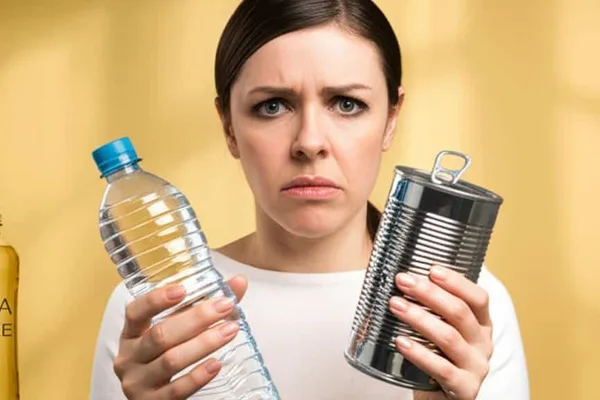
Are you also worried about plastic bottles and food containers? Let's talk about BPA! (Bisphenol A)

Are you also worried about plastic bottles and food containers? Let's talk about BPA! (Bisphenol A)

Don't drink water from plastic bottles, don't eat canned food, don't put hot food in plastic lunch boxes... You've probably heard a lot of these stories, right? Often, the hidden character behind all these warnings is a chemical called BPA, or Bisphenol A. Should we really be afraid of this? Or not? There's a lot of talk about it. So, let's find out exactly what it is today.

What exactly is BPA (Bisphenol A)?

Simply put, BPA is a chemical used in factories. It's been around since the 1950s. Do you know what it's for? It's mainly used to make polycarbonate plastics and epoxy resins. These are what make up most of the plastic products we use, especially the strong, transparent ones .

Think about it, things like the water bottles you use, the plastic food storage containers, and the linings of some canned foods and beverages may contain BPA.

Some time ago, BPA was used in many products. However, when there was a worldwide discussion about its health risks, organizations such as the FDA (Food and Drug Administration) in the United States, especially the FDA, requested companies that make baby bottles, sippy cups, and baby formula cans to stop using BPA. Therefore, many baby products on the market are now BPA-free , that is, BPA-free. Also, many companies that make water bottles and food containers have now voluntarily stopped using BPA. Therefore, there are much fewer products containing BPA in our homes now than there were a few decades ago. However, BPA is not something that has been completely banned.

What places may contain BPA?

BPA, a chemical that has been used to strengthen plastics for more than 40 years, is likely to be found in many places around us. Studies show that more than 90% of us already have small amounts of BPA in our bodies. It can enter our bodies not only through the things we use, but also through air, dust, and water.

Common things that may contain BPA include:

  • Some plastic water bottles
  • The inner lining of canned foods and beverages
  • Food storage containers made of plastic
  • Some medical devices
  • Dental sealants
  • Compact discs (CDs)

Experts point out that while some companies may label their containers as "BPA-Free," they may actually be using other bisphenols similar to BPA, such as BPS or BPF. There are still questions about how safe they are, so it's wise to use glass containers whenever possible.

How do these things enter our bodies?

The main way BPA enters our bodies is through the food and drinks we consume. BPA can be found in things like canned food, plastic bottled water, and polycarbonate lunch boxes, and can leach into the food or drink it contains.

The most important thing is temperature . When you put something hot in a plastic container, for example, when you put the rice you bring to the office in a plastic lunch box while it's still hot, there's a greater chance that this chemical will melt and get into the food. BPA can also be transmitted to the baby through breast milk.

Is BPA really bad for our health?

People started to worry about this after animal studies found that exposure to high levels of BPA was linked to conditions like miscarriage, diabetes, obesity, heart disease, and high blood pressure. Some studies in humans have also found a link between BPA and certain diseases. However, it has not been directly proven that BPA is the cause of those diseases. Meanwhile, there are studies that contradict these results.

However, there is still debate about the possible effects of BPA on the body. Let's take a look at what those risks are.

Possible health risk Description
Effects on hormone levels Some experts believe that BPA may act like a hormone in the body, disrupting normal hormone levels and development, especially in fetuses, infants, and young children. Results from animal studies are mixed.
Brain and behavior problems The FDA's National Toxicology Program has focused on the possible effects of BPA on children's brains and behavior.
Cancer risk Some animal studies have shown a link between exposure to BPA and an increased risk of cancer later in life.
Heart disease Two studies have found that adults with the highest levels of BPA in their bodies are more likely to develop heart disease. But it's not clear whether this link is caused by BPA itself.
Other situations Although research has been conducted into a link between BPA and conditions such as obesity, diabetes, and ADHD, there is still no strong evidence for this.

Who is most at risk?

Many studies suggest that infants and young children are most susceptible to the effects of BPA, because their bodies are still developing and less able to eliminate harmful substances than adults.

What can we do to protect ourselves from BPA?

Studies are still ongoing on this. In the meantime, there are some simple steps you can take to stay away from BPA. By following these, you can take care of your health and that of your family without unnecessary fear.

  • Reduce your use of plastic as much as possible. It may not be possible to eliminate plastic completely. But reduce the use of plastic containers, especially for oily foods (sambal, margarine, mayonnaise) and hot foods.
  • Use glass, porcelain, or stainless steel containers. These are especially suitable for storing food and for hot foods or drinks.
  • Do not heat plastic containers. Do not microwave or put plastic lunch boxes in the dishwasher. The heat can break down the plastic over time and release BPA.
  • Choose BPA-free products. Many baby bottles, cups, and other products now have the words "BPA-Free" prominently displayed.
  • Reduce your consumption of canned foods. Many cans may contain BPA in their inner lining.
  • Look at the recycling code on the plastic. If there is a triangle on the bottom of a plastic container with the number 3 or 7 inside, it is more likely to contain BPA.
  • Be careful when choosing infant formula. Many brands now use BPA-free cans. If there is any doubt that the can contains BPA, some experts say it is better to choose powdered formula over liquid milk, as liquids are more likely to absorb BPA.

If you have any further concerns about this, don't be afraid to talk to your doctor about it. He or she will be able to give you more accurate advice.

Take-Home Message

  • BPA is a chemical found in some plastics and cans.
  • Scientific opinions are mixed about its effects on the human body, but it is important to be careful, especially with the health of young children.
  • There's no need to panic, but you can reduce your exposure to BPA by following simple steps.
  • Avoid putting hot things in plastic containers. Always use glass or stainless steel containers if possible.
  • Reducing your consumption of canned foods is also a good way to reduce BPA exposure.

BPA, Bisphenol A, plastic, plastic bottles, food safety, health risk, children's health

Frequently Asked Questions (FAQ)

How do these things enter our bodies?

The main way BPA enters our bodies is through the food and drinks we consume. BPA can be found in things like canned food, plastic bottled water, and polycarbonate lunch boxes, and can leach into the food or drink it contains.

⚠️ Important: The medical articles and information on Nirogi Lanka are for general awareness only, and are by no means a substitute for professional medical advice, diagnosis, or treatment. For any medical problem you have, consult a qualified physician immediately.

💬 Comments (0)

No comments yet. Be the first to share your thoughts here.

Add Your Comment

Please calculate: 8 + 7 =
Are you also worried about plastic bottles and food containers? Let's talk about BPA! (Bisphenol A)
Preventive HealthJuly 6, 2026

Are you also worried about plastic bottles and food containers? Let's talk about BPA! (Bisphenol A)

Don't drink water from plastic bottles, don't eat canned food, don't put hot food in plastic lunch boxes... You've probably heard a lot of these stories, right? Often, the hidden character behind all these warnings is a chemical called BPA, or Bisphenol A. Should we really be afraid of this? Or not? There's a lot of talk about it. So, let's find out exactly what it is today.

What exactly is BPA (Bisphenol A)?

Simply put, BPA is a chemical used in factories. It's been around since the 1950s. Do you know what it's for? It's mainly used to make polycarbonate plastics and epoxy resins. These are what make up most of the plastic products we use, especially the strong, transparent ones .

Think about it, things like the water bottles you use, the plastic food storage containers, and the linings of some canned foods and beverages may contain BPA.

Some time ago, BPA was used in many products. However, when there was a worldwide discussion about its health risks, organizations such as the FDA (Food and Drug Administration) in the United States, especially the FDA, requested companies that make baby bottles, sippy cups, and baby formula cans to stop using BPA. Therefore, many baby products on the market are now BPA-free , that is, BPA-free. Also, many companies that make water bottles and food containers have now voluntarily stopped using BPA. Therefore, there are much fewer products containing BPA in our homes now than there were a few decades ago. However, BPA is not something that has been completely banned.

What places may contain BPA?

BPA, a chemical that has been used to strengthen plastics for more than 40 years, is likely to be found in many places around us. Studies show that more than 90% of us already have small amounts of BPA in our bodies. It can enter our bodies not only through the things we use, but also through air, dust, and water.

Common things that may contain BPA include:

  • Some plastic water bottles
  • The inner lining of canned foods and beverages
  • Food storage containers made of plastic
  • Some medical devices
  • Dental sealants
  • Compact discs (CDs)

Experts point out that while some companies may label their containers as "BPA-Free," they may actually be using other bisphenols similar to BPA, such as BPS or BPF. There are still questions about how safe they are, so it's wise to use glass containers whenever possible.

How do these things enter our bodies?

The main way BPA enters our bodies is through the food and drinks we consume. BPA can be found in things like canned food, plastic bottled water, and polycarbonate lunch boxes, and can leach into the food or drink it contains.

The most important thing is temperature . When you put something hot in a plastic container, for example, when you put the rice you bring to the office in a plastic lunch box while it's still hot, there's a greater chance that this chemical will melt and get into the food. BPA can also be transmitted to the baby through breast milk.

Is BPA really bad for our health?

People started to worry about this after animal studies found that exposure to high levels of BPA was linked to conditions like miscarriage, diabetes, obesity, heart disease, and high blood pressure. Some studies in humans have also found a link between BPA and certain diseases. However, it has not been directly proven that BPA is the cause of those diseases. Meanwhile, there are studies that contradict these results.

However, there is still debate about the possible effects of BPA on the body. Let's take a look at what those risks are.

Possible health risk Description
Effects on hormone levels Some experts believe that BPA may act like a hormone in the body, disrupting normal hormone levels and development, especially in fetuses, infants, and young children. Results from animal studies are mixed.
Brain and behavior problems The FDA's National Toxicology Program has focused on the possible effects of BPA on children's brains and behavior.
Cancer risk Some animal studies have shown a link between exposure to BPA and an increased risk of cancer later in life.
Heart disease Two studies have found that adults with the highest levels of BPA in their bodies are more likely to develop heart disease. But it's not clear whether this link is caused by BPA itself.
Other situations Although research has been conducted into a link between BPA and conditions such as obesity, diabetes, and ADHD, there is still no strong evidence for this.

Who is most at risk?

Many studies suggest that infants and young children are most susceptible to the effects of BPA, because their bodies are still developing and less able to eliminate harmful substances than adults.

What can we do to protect ourselves from BPA?

Studies are still ongoing on this. In the meantime, there are some simple steps you can take to stay away from BPA. By following these, you can take care of your health and that of your family without unnecessary fear.

  • Reduce your use of plastic as much as possible. It may not be possible to eliminate plastic completely. But reduce the use of plastic containers, especially for oily foods (sambal, margarine, mayonnaise) and hot foods.
  • Use glass, porcelain, or stainless steel containers. These are especially suitable for storing food and for hot foods or drinks.
  • Do not heat plastic containers. Do not microwave or put plastic lunch boxes in the dishwasher. The heat can break down the plastic over time and release BPA.
  • Choose BPA-free products. Many baby bottles, cups, and other products now have the words "BPA-Free" prominently displayed.
  • Reduce your consumption of canned foods. Many cans may contain BPA in their inner lining.
  • Look at the recycling code on the plastic. If there is a triangle on the bottom of a plastic container with the number 3 or 7 inside, it is more likely to contain BPA.
  • Be careful when choosing infant formula. Many brands now use BPA-free cans. If there is any doubt that the can contains BPA, some experts say it is better to choose powdered formula over liquid milk, as liquids are more likely to absorb BPA.

If you have any further concerns about this, don't be afraid to talk to your doctor about it. He or she will be able to give you more accurate advice.

Take-Home Message

  • BPA is a chemical found in some plastics and cans.
  • Scientific opinions are mixed about its effects on the human body, but it is important to be careful, especially with the health of young children.
  • There's no need to panic, but you can reduce your exposure to BPA by following simple steps.
  • Avoid putting hot things in plastic containers. Always use glass or stainless steel containers if possible.
  • Reducing your consumption of canned foods is also a good way to reduce BPA exposure.

BPA, Bisphenol A, plastic, plastic bottles, food safety, health risk, children's health

Frequently Asked Questions (FAQ)

How do these things enter our bodies?

The main way BPA enters our bodies is through the food and drinks we consume. BPA can be found in things like canned food, plastic bottled water, and polycarbonate lunch boxes, and can leach into the food or drink it contains.

⚠️ Important: The medical articles and information on Nirogi Lanka are for general awareness only, and are by no means a substitute for professional medical advice, diagnosis, or treatment. For any medical problem you have, consult a qualified physician immediately.

💬 Comments (0)

No comments yet. Be the first to share your thoughts here.

Add Your Comment

Please calculate: 8 + 7 =