
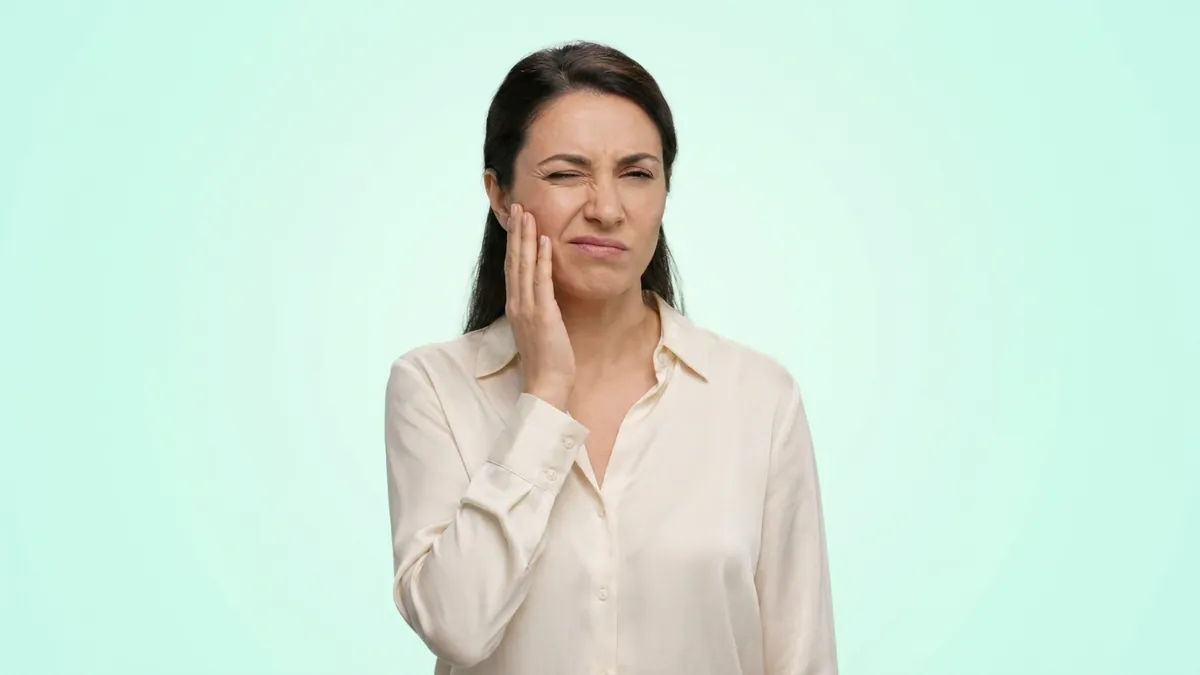
Have you ever noticed your face twitching on just one side without your permission? Maybe your lower eyelid starts fluttering while you look in the mirror, and you cannot make it stop.
This can feel very strange and frustrating during your daily life. Some people worry that it might be a sign of something serious, or feel embarrassed when talking with others.
Today, we will talk about a medical condition called hemifacial spasm. We will explore what causes it, how doctors diagnose it, and the treatments available to help you feel better.
Key Takeaways About Hemifacial Spasm
- Hemifacial spasm is a neurological movement disorder where muscles on one side of your face twitch involuntarily.
- The most common physical cause is a small blood vessel pressing against your facial nerve near the brainstem.
- It usually starts as a mild eye twitch and can gradually spread down to your cheek and mouth.
- Doctors use physical exams and specialized MRI scans to confirm the exact cause and rule out other conditions.
- Effective treatments range from regular Botox injections and medicines to microvascular decompression surgery.
What Are the Symptoms of Hemifacial Spasm?
Hemifacial spasm usually starts in a very quiet and subtle way. At first, you might feel a small twitch under your eye, specifically in your lower eyelid.
This twitching might come and go throughout the day. You might brush it off as a normal eye twitch caused by tiredness or too much screen time.
However, as time passes, this twitching can slowly start to get worse. The small flutter near your eye begins to spread further down your face.
Soon, your cheek starts to move, and the muscle pulling reaches toward the corner of your mouth. Eventually, the entire group of muscles on one side of your face may twitch without your control.
Sometimes, the muscle pulling is strong enough to pull your mouth to one side. People around you might notice your facial expression changing suddenly.
Imagine sitting in an important work meeting or chatting with a friend when one side of your face suddenly starts pulling and twitching. It can feel very awkward and stressful.
Fortunately, this condition is generally not painful at all. You will not feel sharp pains or aches in your facial muscles while it happens.
Even though it does not cause physical pain, living with it can cause a lot of emotional stress and social anxiety. You might feel self-conscious when going out in public.
In the early stages, the twitching comes and goes in brief episodes. As the condition progresses, the muscle contractions can happen more often throughout the day.
Your symptoms may also become much more noticeable when you feel very tired. High levels of mental stress, anxiety, or physical exhaustion can make the twitching worse.
Why Does This Happen? What Is the Cause?
To put it simply, the main cause of hemifacial spasm is a blood vessel pressing directly against your facial nerve. Let us break this down so it is easy to picture.
Think of a garden hose running across your lawn. If someone accidentally steps on that hose, the water flow gets pinched and blocked, causing the hose to jump or sputter.
Inside your head, your brainstem sends out a facial nerve that controls all the muscles you use to smile, frown, blink, and talk. Near where this nerve exits the brainstem, a nearby blood vessel can rest against it.
As you age or as blood pressure shifts, that blood vessel can press harder and irritate the nerve. This pressure strips away the protective coating of the nerve and causes abnormal electrical signals to fire.
Those accidental electrical signals travel down into your facial muscles. That is why your face twitches and pulls without your permission.
It is important to know that this is not always the only cause. In rare cases, a physical injury to the facial nerve or a benign tumor near the brainstem can trigger similar symptoms.
Who Is at Higher Risk for Hemifacial Spasm?
Hemifacial spasm is considered a relatively rare medical condition. It can technically affect people of any age, including both men and women.
However, when looking at medical statistics, researchers find that this condition occurs more often in women than in men. Middle-aged and older adults are diagnosed most often.
Specifically, women between the ages of 40 and 79 have a higher chance of developing hemifacial spasms. Medical studies also show that this condition appears slightly more often in Asian populations compared to Western countries.
If you fit into these demographics and notice persistent facial twitching, it is helpful to know what doctors look for during an evaluation.
How Do Doctors Diagnose Hemifacial Spasm?
When you visit a doctor because of one-sided facial twitching, they will start by asking detailed questions about your symptoms. They want to know when it started and how often it happens.
The doctor will perform a careful physical and neurological examination. They will observe your facial movements, test your reflexes, and check your cranial nerve function.
If your doctor suspects hemifacial spasm, the next step is usually ordering a specialized imaging test. The gold standard for this is an MRI, which stands for Magnetic Resonance Imaging.
An MRI scan serves two major purposes in your medical evaluation:
- Confirming the Root Cause: The high-resolution MRI can take detailed pictures of your brainstem and blood vessels. It lets the doctor see if a blood vessel is touching and pressing against your facial nerve.
- Ruling Out Other Conditions: The scan also ensures that your symptoms are not caused by other medical issues, such as a brain tumor, a cyst, or multiple sclerosis.
Getting an accurate MRI scan helps your doctor create a safe and effective treatment plan tailored specifically to your needs.
What Treatments Are Available for Hemifacial Spasm?
There are several successful treatment options available to help you manage and control hemifacial spasms. Your doctor will recommend the best approach based on how severe your symptoms are and what is causing them.
| Treatment Option | How It Works / Key Considerations |
|---|---|
| Botox Injections | How It Works: Tiny doses of botulinum toxin are injected directly into the affected facial muscles to block nerve signals temporarily. Key Considerations: Most popular and effective non-surgical choice. Must be repeated every 3 to 4 months. |
| Microvascular Decompression | How It Works: A neurosurgeon places a tiny sponge-like pad between the offending blood vessel and the facial nerve. Key Considerations: Major surgical procedure offering long-term relief for severe cases where injections do not work well. |
| Oral Medicines | How It Works: Anticonvulsant or muscle relaxant drugs help calm down abnormal nerve firing and muscle spasms. Key Considerations: Sometimes useful as a secondary option, but can cause side effects like drowsiness or dizziness. |
Are There Other Causes of Facial Pulling or Twitching?
Yes, not every instance of facial twitching means you have hemifacial spasm. After looking at your MRI scan, your doctor will consider other possible reasons for your symptoms.
- High Caffeine Intake: Eating more than 400 milligrams of caffeine daily through coffee, energy drinks, or tea can cause jittery muscles and eyelid twitches.
- Medicine Side Effects: Certain prescription drugs list muscle twitches, known as fasciculations, among their potential side effects.
- Stress and Fatigue: High mental stress, lack of sleep, and physical exhaustion are very common triggers for benign eye twitching.
- Bell's Palsy: This condition involves temporary weakness or paralysis of facial muscles, often linked to viral infections.
- Parkinson's Disease: Movement disorders like Parkinson's can sometimes present with involuntary muscle tremors or spasms in the face.
- Hormonal Imbalances: Changes in your body's hormone levels can sometimes influence nerve signaling and muscle control.
- Multiple Sclerosis: This is a chronic condition affecting the central nervous system that can sometimes impact nerve pathways.
Because there are so many potential causes, you should never try to diagnose yourself at home. If you notice persistent facial twitching, always speak with a doctor to find the exact cause.
When to Seek Emergency Medical Help
While hemifacial spasm is not a life-threatening emergency, sudden facial pulling can sometimes mimic a stroke or serious neurological event.
Call 911 (US/Canada), 999 (UK), or go to your nearest Emergency Department right away if your facial twitching is accompanied by sudden facial drooping, slurred speech, sudden weakness on one side of your body, or confusion.
💡 Take-Home Message
- If your face twitches uncontrollably on one side, it might be hemifacial spasm. It is usually not dangerous, but getting a proper diagnosis is important.
- The primary physical cause is a blood vessel pressing against your facial nerve near the brainstem.
- Doctors rely on clinical evaluations and MRI scans to confirm the diagnosis and rule out other underlying health issues.
- Safe and effective treatments, such as Botox injections and microvascular decompression surgery, can greatly improve your quality of life.
- Never ignore persistent facial symptoms. Schedule an appointment with your doctor to discuss your options and find relief.
Sources & References:
- Mayo Clinic. Hemifacial Spasm: Symptoms and Causes. Available from: mayoclinic.org.
- Cleveland Clinic. Hemifacial Spasm: Diagnosis and Treatment Options. Available from: my.clevelandclinic.org.
- National Health Service (NHS UK). Facial Twitching and Spasms Overview. Available from: nhs.uk.
- National Institute of Neurological Disorders and Stroke (NINDS). Hemifacial Spasm Information Page. Available from: ninds.nih.gov.
- Centers for Disease Control and Prevention (CDC). Health Information Resources. Available from: cdc.gov.






No comments yet. Be the first to share your question or experience below.