

We all use the word doctor when we feel sick. Whether you have a mild cold or a serious health issue, your first instinct is to visit a medical professional. But have you ever paused to think about who a doctor or doctor truly is?
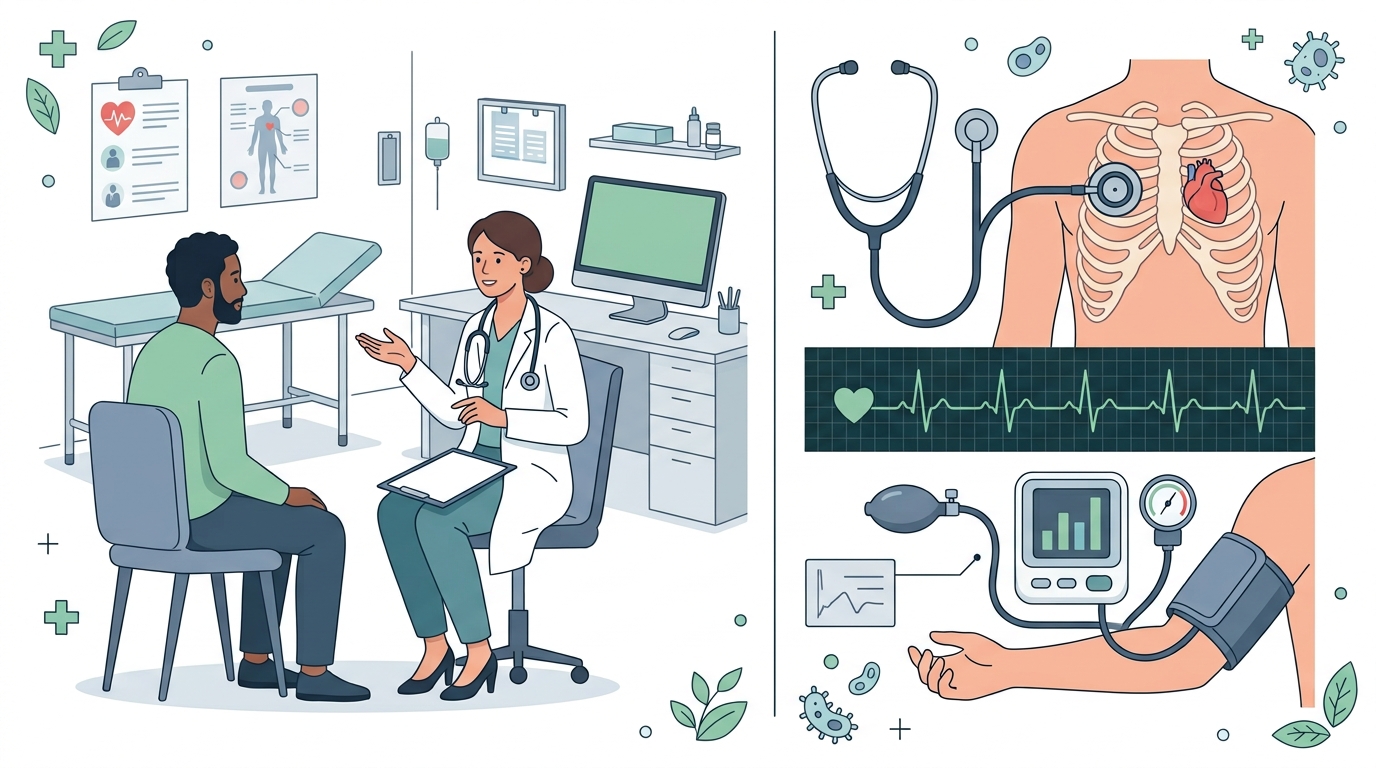
What are their daily duties behind closed doors, and how many different types of medical experts exist in modern healthcare? Today, we will explore this topic in very simple terms, just like chatting with a trusted friend over a cup of tea.
Key Takeaways
- A doctor is any trained professional who has completed a medical degree to diagnose and treat illnesses.
- Doctors undergo many years of rigorous education, clinical practice, and residency training.
- Medical specialists focus on specific body systems, such as pediatrics, cardiology, or surgery.
- Seeing a doctor early helps catch health problems before they become serious or chronic.
Who Exactly Is a Doctor?
Put simply, any person who finishes a medical degree and earns a license is a doctor or doctor. Their main job is to protect your health, find out what is making you sick, provide proper treatment, and help your body heal.
This is a huge responsibility that requires immense dedication. A good doctor relies on six core professional skills every single day to care for you and your family safely.
| Core Skill | What It Means for You |
|---|---|
| Patient Care | Treating you with warmth, listening closely to your worries, and offering the safest treatment options available. |
| Medical Knowledge | Having deep understanding of science, human anatomy, and modern medicines to keep you healthy. |
| Continuous Learning | Reviewing past treatments, learning new medical breakthroughs, and constantly improving clinical skills. |
| Clear Communication | Explaining your health condition in simple words so you and your family understand every step. |
| Professional Ethics | Following strict medical rules, respecting patient privacy, and treating every person with equal respect. |
| System-Based Practice | Working smoothly within local healthcare systems to use available resources for your best recovery. |
What Are the Main Duties of a Doctor?
Diagnosing illnesses and giving treatment are only part of a doctor's daily work. Their responsibilities span across prevention, routine checks, and long-term wellness management.
Doctors give you practical advice on how to stay healthy. They teach you what foods to eat, how to maintain personal hygiene, and how to stop preventable diseases before they start.
- They examine your body physically to check for signs of illness or pain.
- They prescribe safe medicines and explain the correct dosage for your recovery.
- They order diagnostic tests like blood work or imaging to confirm what is wrong.
- They review your past medical history, noting previous illnesses and family health trends.
Medical Degrees Explained: Around the world, doctors generally graduate with an MD (Doctor of Medicine) or a DO (Doctor of Osteopathic Medicine) degree. Both types of doctors complete rigorous medical school training, take board exams, and use evidence-based medicine to care for patients every day.
Different Types of Medical Specialists
Did you know that doctors branch out into different specialties? When you visit a clinic, your primary care doctor might examine you and refer you to a specialist if your condition requires advanced care.
Here are some of the most common medical specialists you will find in hospitals and clinics worldwide:
| Specialist Type | What They Do |
|---|---|
| Anesthesiologists | Manage pain control and keep you safely asleep or numb during surgical procedures. |
| Family Doctors | Provide continuous, everyday care for patients of all ages and handle general health concerns. |
| Internists | Focus on adult internal organs and treat complex chronic conditions like diabetes and heart disease. |
| Pediatricians | Specialize in the physical, emotional, and social health of infants, children, and teenagers. |
| OB/GYNs | Provide specialized care for women's reproductive health, pregnancy, and childbirth. |
| Psychiatrists | Diagnose and treat mental health conditions such as depression, anxiety, and mood disorders. |
| Surgeons | Perform operations to repair injuries, remove diseased tissue, or correct physical abnormalities. |
The Journey to Becoming a Doctor
Becoming a doctor is not an easy path. It requires anywhere from seven to fifteen years of intense university study, clinical rotations, and hands-on hospital training.
Think of it like climbing a steep mountain. Every single stage builds the solid foundation needed to save lives.
- School Education: Students excel in biology and chemistry during high school to qualify for university medical programs.
- Medical School: Students spend around five years studying human anatomy, diseases, pharmacology, and patient communication.
- Clinical Internship: Graduates work in hospitals under senior doctors for a full year to gain real-world practice.
- Residency Training: Doctors complete specialized training in their chosen field, such as pediatrics or surgery, for several more years.
- Lifelong Learning: Medicine constantly evolves, so doctors continue attending workshops and reading research throughout their careers.
When Should You Visit a Doctor?
Most of the time, you visit your family doctor or primary care doctor first. They possess a broad understanding of common health issues and can guide your treatment.
You should book an appointment with your doctor whenever you experience unusual physical symptoms or health concerns.
| Health Concern Category | Common Examples |
|---|---|
| Circulatory System | High blood pressure, high cholesterol, and poor circulation. |
| Metabolic Issues | Diabetes, thyroid imbalances, and immune system weakness. |
| Ear, Nose, and Throat | Ear infections, sinus congestion, and severe sore throats. |
| Headaches & Migraines | Frequent throbbing headaches and chronic migraine episodes. |
| Eye Conditions | Red eyes, irritation, and pink eye infections. |
| Infections | Viral illnesses, bacterial infections, and parasitic conditions. |
| Joint & Muscle Pains | Swollen joints, lower backaches, and muscle cramps. |
| Mental Health | Depression, persistent anxiety, and high stress levels. |
| Injuries & Poisoning | Falls, cuts, or accidental ingestion of toxic substances requiring emergency care. |
| Respiratory Issues | Asthma flare-ups, chronic bronchitis, and breathing discomfort. |
| Skin Problems | Unexplained rashes, eczema, and skin infections. |
| Urinary Tract Infections | Painful urination and frequent urges to visit the restroom. |
When to Call Emergency Services (911 / 999)
If you or a loved one experience severe chest pain, sudden trouble breathing, sudden weakness on one side of the body, severe allergic reactions, or major trauma, do not wait for a clinic appointment. Call 911 (US/Canada), 999 (UK), or go straight to your nearest Emergency Department (ER or A&E) right away.
Take-Home Message
A doctor is a highly trained professional holding a medical degree who is dedicated to diagnosing, treating, and preventing illnesses.
- Doctors specialize in various fields to ensure that every part of the human body receives expert care.
- Becoming a doctor requires years of intense study, hospital training, and lifelong learning.
- If you notice any physical or mental health changes, never ignore them or wait too long to seek help.
- Visiting your doctor promptly is the best investment you can make in your long-term health and well-being.
A Note from Dr. Priya Sammani
As medical professionals, our primary goal is to guide you toward a healthier life. A doctor does more than just write prescriptions. We act as your health partners. When you understand what doctors do and how healthcare works, you can take an active role in protecting your own well-being. Never hesitate to ask questions during your medical visits.


💬 Comments (0)
No comments yet. Be the first to share your thoughts here.
Add Your Comment