
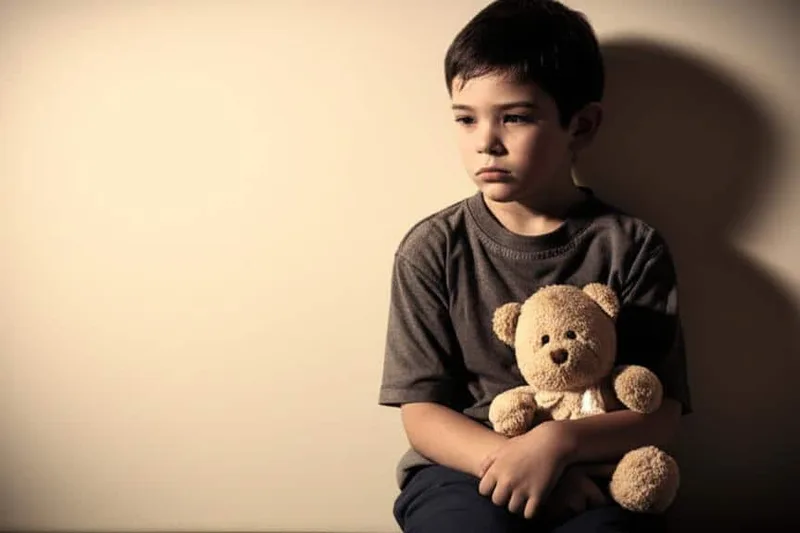
It is normal to scold and reprimand a child when he or she does something wrong. But sometimes we may unknowingly cross that line and cause irreparable damage to the child's mind. Abuse is not just about hitting or injuring a child. Words, behavior, and neglect can cause damage that can affect a child's entire life. That is what we call emotional abuse. It is like an invisible wound. But a child carries the pain of it for the rest of their life.
What exactly is emotional abuse?
Simply put, we call emotional abuse a pattern of behavior by parents or caregivers that is consistent and damaging to a child's emotional development and self-worth. This is not a one-time, angry scolding. This is an ongoing process .
Think about it, when you are physically abused, the scars are visible on the outside. But when you are mentally abused, the wounds are in the mind. That's why it's hard to recognize. But its effects can affect a child's entire life.
Emotional abuse is not just about constantly yelling, criticizing, and treating a child badly. It also includes not giving a child the love, affection, and attention they need.
How does this condition affect a child?
- Impaired emotional control: inability to accurately identify and control one's emotions.
- Behavior patterns change: they may suddenly become mischievous, or very quiet.
- Affects learning: This is a major obstacle to the ability to focus on schoolwork and learn.
- Self-esteem is damaged: Self-worth and self-confidence are completely lost.
- They develop a wrong image of their parents: they start to think that parents, who should be loving and protective, are people to be feared and constantly scolded.
Emotional abuse can often occur together with physical or sexual abuse. It is like a weapon used to control a child. Especially for small babies, newborns, and infants who cannot speak or express their needs, the lack of love and affection causes serious harm. They can become children who are not sociable, anxious, and even have delayed language skills.
Signs that a child is being abused
When we are aware of these symptoms, it is easier for us to recognize if a child around us is facing this kind of situation. But remember, not all of these symptoms are due to psychological abuse. Sometimes, they can also be caused by other health conditions. So if you have any doubts, the best thing to do is to talk to your doctor.
| Common symptoms seen in a child who has been subjected to psychological abuse | |
|---|---|
| Feelings and behavior |
|
| Social connections | |
| Physical and developmental characteristics | |
How can you tell if your parents are making this mistake?
Sometimes parents don't even realize that they are harming their child. They may be taking out their anger and stress on their child. If you see things like this, be concerned.
- Expecting things that exceed the child's ability: For example, expecting 100% marks in every subject from a young child.
- Involving the child in one's disputes: Trying to get the child on one's side in marital disputes.
- Using the child to satisfy one's own ego: forcing the child to do things that one is unable to do.
- Disrespectful speech towards the child: Addressing the child with words like "that" and "this" in front of others.
- Exposing the child to domestic violence: Fighting and beatings at home that occur in front of the child.
When faced with these things over time, the child begins to think, "I must have been a bad kid." They abandon the good ideas they had about themselves and begin to conform to the scolding and criticism they hear. This is the most dangerous result of this.
How is this condition treated?
Often, parents who emotionally abuse their children may have been abused themselves during their childhood. This is a dangerous cycle that is passed down from generation to generation. It takes a lot of strength to break it. Therefore, in such cases, both the child and the parents need treatment and support.
The most important thing is that if there is even the slightest suspicion of physical or sexual abuse, the child's safety must be ensured first . Only after ensuring that the child is in a safe place can treatment begin.
This is not a short-term solution. It requires a long-term commitment from everyone involved. Often, the child is provided with the support of a professional specializing in child psychology . This,
- It teaches the child to trust others again.
- It shows the child what healthy, good relationships are.
- When a conflict arises, they teach you how to manage it.
- It builds the child's shattered self-esteem and instills self-worth.
In some cases, family therapy can be very helpful. It is essential for parents to understand that they are making a mistake and to seek professional help to overcome the situation.
Take-Home Message
- Psychological abuse is just as harmful to a child as physical abuse, and perhaps even more so.
- If you notice a sudden change in your child's behavior or emotions, be concerned. Don't just dismiss it as 'naughty.'
- Constantly scolding, criticizing, and comparing a child to others, as well as withholding love and affection, is also psychological abuse.
- If you suspect that a child you know is facing this type of situation, report it to the appropriate authorities or a trusted adult.
- If you realize you're making a mistake as a parent, don't hesitate to ask for help. There's no shame in seeking professional help for your child and for yourself.
- If you have any doubts about such a problem, talk to your family doctor and get proper guidance.


💬 Comments (0)
No comments yet. Be the first to share your thoughts here.
Add Your Comment