
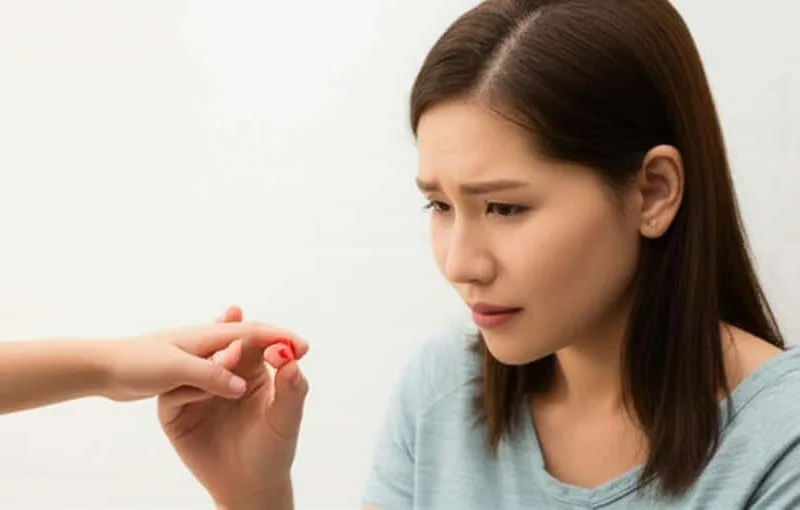
Mom, Dad, is your child's toenail red, swollen, and painful? It may not be just a minor injury, but a nail infection. This is a very common condition among children. Although it can often be treated at home, it is important to be aware of this. Let's talk about it in detail.
What is Paronychia?
Simply put, paronychia is an infection of the skin around our nails, where the nail meets the skin. While some adults develop this condition on their toenails, children often develop it on their fingernails. It is more likely to develop on a toenail, and only if the child has an ingrown nail.
There are two types of paronychia:
1. Acute Paronychia: This is the type that starts suddenly and doesn't last long. It usually only affects one nail.
2. Chronic Paronychia: This is the more troublesome type. It takes a long time to heal, may not heal at all, or may recur frequently. It can occur on the fingernails or toenails.
Why does this happen to children? What are the reasons?
Just think, the skin around our nails is very delicate. If there is a small scratch, cut, or wound on this skin, germs can easily enter through there. The main reasons why the skin around a child's nail may be damaged are:
- Nail biting and finger sucking: This is a common cause among children. When you keep your mouth open, germs and moisture in your saliva can easily lead to infections.
- Hangnail: The act of pulling and tearing off the skin around the nail .
- Cutting nails too short: Cutting your nails too close to the skin can cause minor injuries.
- Injury: Getting something like a thorn or a thorn stuck in the side of the nail while playing.
- Ingrown nail: A corner of the nail grows into the skin and causes injury.
When the skin is damaged in this way, bacteria often enter through it. However, sometimes a type of yeast called Candida or other fungi can cause this infection. If a child's hands are constantly in water, the risk of developing fungal infections is higher.
Chronic Paronychia is sometimes caused by an irritant dermatitis. This causes the child's skin to become red and itchy. Germs can easily enter damaged skin and cause a long-term infection.
This infection usually affects only one nail. The skin around the nail becomes damaged and symptoms begin to appear within two to five days.
What exactly are the symptoms of this?
The symptoms of paronychia are very easy to recognize. You will be able to see these things.
| Symptom | Description |
|---|---|
| Redness and swelling | The skin around the nail, especially where the wound was, is red and looks very swollen. |
| Pain and heat | The child will say that the area hurts. If you touch it with your hand, it will feel warmer than other areas. |
| Abscess | If the infection is caused by bacteria, it may appear as a small blister or abscess filled with yellow/white pus. |
| Nail changes | The nail may change color, change shape, or appear to be peeling off the skin. These changes occur quickly in bacterial infections, but more slowly in fungal infections. |
| Rare symptoms that may occur if the infection spreads (see a doctor immediately) | |
| Fever and chills | If the infection spreads to other parts of the body, fever and chills may occur. |
| Other features | Body aches, red streaks appearing along the skin, and the child feeling generally unwell. |
What treatments can be done at home?
Most of the time, these nail infections in children are not serious, so they can be treated and cured at home without any fear.
Home care
The main thing is to soak your child's infected finger in warm salt water for 10-20 minutes three or four times a day. This will reduce pain and swelling. After you're done, pat the finger dry with a clean cloth. If there's any pus coming out, gently clean that too.
If your child is in pain, you can ask your family doctor to give your child an appropriate painkiller (e.g. paracetamol or ibuprofen) in the appropriate dosage.
The most important thing is to not let the child chew on the wound, pick at it with their hands, or suck on it. Doing so can further spread the infection.
Keep your child's nails clean until the infection heals. Trim them once a week. But don't cut them too short. File them well to eliminate sharp edges.
If you follow these steps properly, the infection will heal on its own within a few days.
When should I see a doctor?
Although home treatment is often sufficient, in some cases, it is definitely necessary to see a doctor.
- If there is no improvement after about a week of home treatment.
- If the pain, redness, and swelling are getting worse.
- If there is a clear abscess around the nail, it will need to be drained by a doctor. Don't worry, it will heal quickly after this.
- If the child develops other symptoms such as fever and chills .
- If the infection seems to be spreading to other fingers or other areas of the skin.
What is the doctor doing?
When you see a doctor, he or she will examine the infection and prescribe the necessary treatment.
- Draining the pus: If there is an abscess, the doctor may need to make a small incision and drain some of the pus.
- Antibiotics: If the infection is bacterial, you will be prescribed an oral medication or ointment for a few days. The most important thing is to give your child the medication for the full number of days that the doctor prescribes. Do not stop halfway.
- Antifungals: If the infection is suspected to be fungal, an appropriate antifungal medication or cream will be prescribed.
- Steroid cream: Sometimes a steroid cream can be given to reduce swelling and redness.
If paronychia is a chronic condition, the doctor will advise the child to always keep their hands clean and dry, and to keep them away from chemicals that are harmful to the skin.
Take-Home Message
- Paronychia is an infection of the skin around the nails, which is common among children.
- Most of the time, this is not serious and can be treated with home remedies, such as soaking your toe in warm salt water.
- Prevent your child from habits like nail biting and finger picking. These are the main causes of infections.
- If there is no improvement in a week, if an abscess has formed, or if the child has a fever, be sure to see a doctor.
- If a doctor prescribes antibiotics, be sure to give the child the medication for the full prescribed number of days.




💬 Comments (0)
No comments yet. Be the first to share your thoughts here.
Add Your Comment