Are you worried about hair loss? Let's talk about it all (Hair Loss)

Are you worried about hair loss? Let's talk about it all (Hair Loss)

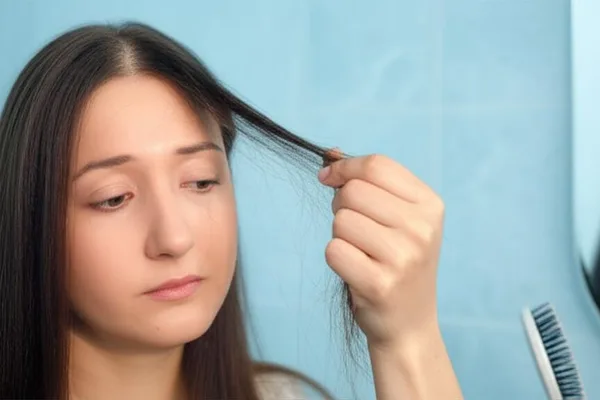
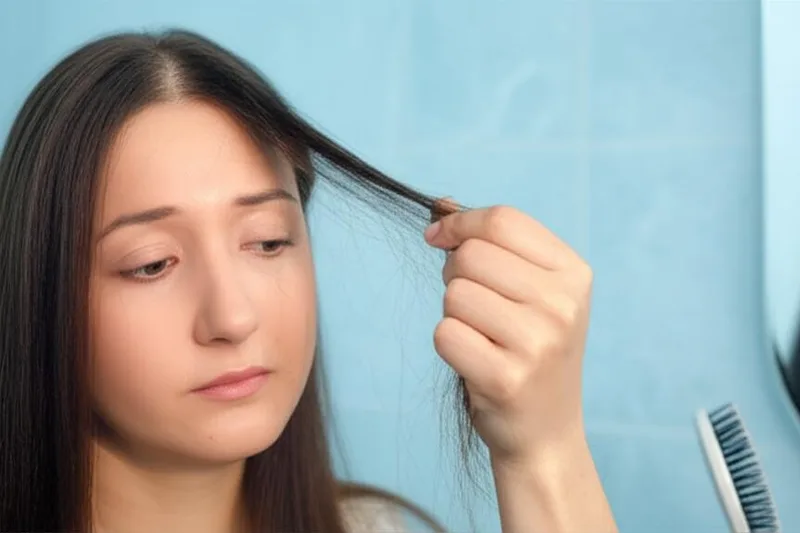
Do you think you're losing your hair too? When you look at your pillow in the morning, in the bathroom, or when you comb your hair, do you feel a little scared and sad when you look at the pile of hair left in your comb? This is actually a problem that many people have. For some, losing a little hair is not a big deal. But for others, losing a few hairs is a big stressor. So today, let's talk about this hair loss, its causes, modern treatments, and how to control it, in a very simple and friendly way.

First, let's look at what hair is and how it is formed.

Simply put, hair is what grows from hair follicles in our skin. These are made of a special protein called keratin . As new hairs grow, old ones are pushed out of the skin. On average, hair grows about 6 inches per year. Did you know that the average adult has between 100,000 and 150,000 hairs on their heads? So it's very normal to lose about 50 to 100 hairs a day. So don't be afraid of a few hairs on your comb.

Every single hair on our head has a life cycle. Think of our hair as a plant. It has a period of growth, a period of dormancy, and a period of shedding to make way for a new one. This cycle is divided into three main stages.

  • Anagen phase: This is the period when the hair shaft is actively growing. This can last anywhere from two to eight years.
  • Catagen Phase: This is a short, transitional phase. It lasts about two to three weeks. During this time, the hair shaft stops growing.
  • Telogen phase: This is the resting phase. It lasts for about two to three months. At the end of this period, the hair follicle falls out and a new hair follicle begins to grow from that same follicle.

It is normal for this growth rate to slow down a bit as we age.

What are the main types of hair loss?

Hair loss, or the medical term for alopecia, can come in many forms. Let's look at a few of the main types.

Hair loss type A simple explanation
Androgenic alopecia This is a genetic condition. In men, hair loss begins at a young age on the sides of the forehead and on the top of the head. In women, hair thinning occurs throughout the head, especially around the middle of the head.
Alopecia areata (Alopecia areata) This can start suddenly. It is a condition where the body's immune system mistakenly attacks hair follicles. Hair falls out in circles on the scalp. But most of the time, the hair grows back.
Telogen effluvium Due to factors such as childbirth, major surgery, high stress, and certain illnesses, a large number of hair follicles go into the resting phase (Telogen) at once. This causes temporary excessive hair loss.
Traction alopecia Pulling your hair too tightly, braiding it, or putting it in a tight bun can cause hair loss. This can also cause permanent damage to the hair follicles.
Scarring alopecia Some skin infections (e.g. folliculitis) or other diseases (e.g. lupus) can permanently destroy hair follicles, causing baldness in those areas where hair never grows back.

What are the main causes of hair loss?

It's hard to pinpoint a single cause of hair loss. There can be many factors that contribute to it.

Hormonal changes

It is common for women, especially during pregnancy, postpartum, and menopause, to experience hair loss due to hormonal changes. Thyroid problems are also a major cause.

Genetic influence

Genes inherited from your mother or father can predispose you to baldness. This is common in both men and women.

Some medical conditions

Hair loss can also be caused by conditions such as diabetes mellitus, autoimmune diseases such as lupus, and iron deficiency anemia.

Nutritional deficiencies

If your diet is deficient in protein, iron, zinc, and certain vitamins (especially vitamins B and D), it can also affect hair loss. This condition can also be caused by a diet that severely restricts calories.

Stress

When there is extreme mental or physical stress, for example after major surgery, a serious accident, or the death of a loved one, excessive hair loss can occur within a few months (Telogen effluvium).

Medications and treatments used

Chemotherapy for cancer, blood thinners, and some medications for high blood pressure can also cause temporary hair loss.

Things that are harmful to hair

Frequent bleaching, perming, straightening with high heat, and pulling hair back tightly can weaken hair shafts and cause them to break.

How do you accurately identify hair loss?

See if you have these symptoms:

  • Thinning hair on the top of the head: In men, it starts on the sides of the forehead, while in women, it can appear as a widening of the hairline in the middle of the head.
  • Sudden patchy hair loss: Patches of hair loss appear on the scalp in circular patterns, similar to alopecia areata.
  • Excessive hair loss: If you notice a larger amount of hair coming out of your hair than usual when you shower or comb it, that's a sign.
  • Itching, inflammation, or scaling of the scalp: Some fungal infections or skin diseases can cause hair loss along with these symptoms.

Remember, the sooner you find the cause of your hair loss, the easier it is to treat. So if you have any of these symptoms, see your doctor first.

A doctor diagnoses this condition as follows:

1. Medical history and physical examination: They will ask if anyone in your family has this condition, what medications you are taking, and whether you have any other illnesses.

2. Blood tests: A blood test may be given to check things like iron levels, vitamin D, and thyroid hormone levels.

3. Scalp examination (Trichoscopy): The condition of the scalp and hair follicles is examined with a special instrument.

4. Skin biopsy: In some cases, a very small piece of skin is taken from the scalp and examined under a microscope.

What are the treatments for hair loss?

Treatment depends on the cause of your hair loss.

Types of drugs

  • Minoxidil: This is a medication that is applied to the scalp as a liquid or foam. It stimulates hair regrowth.
  • Finasteride: This is a pill for men. It controls hormonal activity and controls baldness.
  • Other medications: Your doctor may prescribe steroid medications for conditions like alopecia areata, and antiandrogen medications for hormonal effects in women.

Specific treatments

  • Hair Grafting: Taking hair from another part of the body (usually the back of the head) and replanting it in the balding areas.
  • Platelet-Rich Plasma (PRP) therapy: This is a very popular method. It involves separating the nutrient-rich plasma from your own blood and injecting it back into your own scalp with very fine needles. This stimulates hair follicles and promotes hair growth.
  • Low-Level Laser Therapy: A method that uses low-energy laser beams to stimulate hair follicles.

The most important thing is to not believe every "miracle" product you see on the internet or in advertisements, and to only seek treatment under the advice of a qualified dermatologist .

Take-Home Message

  • It's normal to lose 50-100 hairs a day. If you're losing more than that or if you're balding in patches, be concerned.
  • There can be many reasons for hair loss. Genetics, hormones, nutrition, and stress are among the main ones.
  • The best thing to do as soon as you suspect hair loss is to see your doctor and find the exact cause.
  • Don't be fooled by the various products on the market. Only rely on scientifically proven treatments recommended by a doctor.
  • You too can protect your hair by eating a balanced diet, managing stress, and avoiding things that are harmful to your hair.

Hair loss, baldness, hair loss sinhala, kes galawima, hair loss treatment, hair fall treatment sinhala, medical advice

⚠️ Important: The medical articles and information on Nirogi Lanka are for general awareness only, and are by no means a substitute for professional medical advice, diagnosis, or treatment. For any medical problem you have, consult a qualified physician immediately.

💬 Comments (0)

No comments yet. Be the first to share your thoughts here.

Add Your Comment

Please calculate: 2 + 6 =
Are you worried about hair loss? Let's talk about it all (Hair Loss)

Are you worried about hair loss? Let's talk about it all (Hair Loss)

Do you think you're losing your hair too? When you look at your pillow in the morning, in the bathroom, or when you comb your hair, do you feel a little scared and sad when you look at the pile of hair left in your comb? This is actually a problem that many people have. For some, losing a little hair is not a big deal. But for others, losing a few hairs is a big stressor. So today, let's talk about this hair loss, its causes, modern treatments, and how to control it, in a very simple and friendly way.

First, let's look at what hair is and how it is formed.

Simply put, hair is what grows from hair follicles in our skin. These are made of a special protein called keratin . As new hairs grow, old ones are pushed out of the skin. On average, hair grows about 6 inches per year. Did you know that the average adult has between 100,000 and 150,000 hairs on their heads? So it's very normal to lose about 50 to 100 hairs a day. So don't be afraid of a few hairs on your comb.

Every single hair on our head has a life cycle. Think of our hair as a plant. It has a period of growth, a period of dormancy, and a period of shedding to make way for a new one. This cycle is divided into three main stages.

  • Anagen phase: This is the period when the hair shaft is actively growing. This can last anywhere from two to eight years.
  • Catagen Phase: This is a short, transitional phase. It lasts about two to three weeks. During this time, the hair shaft stops growing.
  • Telogen phase: This is the resting phase. It lasts for about two to three months. At the end of this period, the hair follicle falls out and a new hair follicle begins to grow from that same follicle.

It is normal for this growth rate to slow down a bit as we age.

What are the main types of hair loss?

Hair loss, or the medical term for alopecia, can come in many forms. Let's look at a few of the main types.

Hair loss type A simple explanation
Androgenic alopecia This is a genetic condition. In men, hair loss begins at a young age on the sides of the forehead and on the top of the head. In women, hair thinning occurs throughout the head, especially around the middle of the head.
Alopecia areata (Alopecia areata) This can start suddenly. It is a condition where the body's immune system mistakenly attacks hair follicles. Hair falls out in circles on the scalp. But most of the time, the hair grows back.
Telogen effluvium Due to factors such as childbirth, major surgery, high stress, and certain illnesses, a large number of hair follicles go into the resting phase (Telogen) at once. This causes temporary excessive hair loss.
Traction alopecia Pulling your hair too tightly, braiding it, or putting it in a tight bun can cause hair loss. This can also cause permanent damage to the hair follicles.
Scarring alopecia Some skin infections (e.g. folliculitis) or other diseases (e.g. lupus) can permanently destroy hair follicles, causing baldness in those areas where hair never grows back.

What are the main causes of hair loss?

It's hard to pinpoint a single cause of hair loss. There can be many factors that contribute to it.

Hormonal changes

It is common for women, especially during pregnancy, postpartum, and menopause, to experience hair loss due to hormonal changes. Thyroid problems are also a major cause.

Genetic influence

Genes inherited from your mother or father can predispose you to baldness. This is common in both men and women.

Some medical conditions

Hair loss can also be caused by conditions such as diabetes mellitus, autoimmune diseases such as lupus, and iron deficiency anemia.

Nutritional deficiencies

If your diet is deficient in protein, iron, zinc, and certain vitamins (especially vitamins B and D), it can also affect hair loss. This condition can also be caused by a diet that severely restricts calories.

Stress

When there is extreme mental or physical stress, for example after major surgery, a serious accident, or the death of a loved one, excessive hair loss can occur within a few months (Telogen effluvium).

Medications and treatments used

Chemotherapy for cancer, blood thinners, and some medications for high blood pressure can also cause temporary hair loss.

Things that are harmful to hair

Frequent bleaching, perming, straightening with high heat, and pulling hair back tightly can weaken hair shafts and cause them to break.

How do you accurately identify hair loss?

See if you have these symptoms:

  • Thinning hair on the top of the head: In men, it starts on the sides of the forehead, while in women, it can appear as a widening of the hairline in the middle of the head.
  • Sudden patchy hair loss: Patches of hair loss appear on the scalp in circular patterns, similar to alopecia areata.
  • Excessive hair loss: If you notice a larger amount of hair coming out of your hair than usual when you shower or comb it, that's a sign.
  • Itching, inflammation, or scaling of the scalp: Some fungal infections or skin diseases can cause hair loss along with these symptoms.

Remember, the sooner you find the cause of your hair loss, the easier it is to treat. So if you have any of these symptoms, see your doctor first.

A doctor diagnoses this condition as follows:

1. Medical history and physical examination: They will ask if anyone in your family has this condition, what medications you are taking, and whether you have any other illnesses.

2. Blood tests: A blood test may be given to check things like iron levels, vitamin D, and thyroid hormone levels.

3. Scalp examination (Trichoscopy): The condition of the scalp and hair follicles is examined with a special instrument.

4. Skin biopsy: In some cases, a very small piece of skin is taken from the scalp and examined under a microscope.

What are the treatments for hair loss?

Treatment depends on the cause of your hair loss.

Types of drugs

  • Minoxidil: This is a medication that is applied to the scalp as a liquid or foam. It stimulates hair regrowth.
  • Finasteride: This is a pill for men. It controls hormonal activity and controls baldness.
  • Other medications: Your doctor may prescribe steroid medications for conditions like alopecia areata, and antiandrogen medications for hormonal effects in women.

Specific treatments

  • Hair Grafting: Taking hair from another part of the body (usually the back of the head) and replanting it in the balding areas.
  • Platelet-Rich Plasma (PRP) therapy: This is a very popular method. It involves separating the nutrient-rich plasma from your own blood and injecting it back into your own scalp with very fine needles. This stimulates hair follicles and promotes hair growth.
  • Low-Level Laser Therapy: A method that uses low-energy laser beams to stimulate hair follicles.

The most important thing is to not believe every "miracle" product you see on the internet or in advertisements, and to only seek treatment under the advice of a qualified dermatologist .

Take-Home Message

  • It's normal to lose 50-100 hairs a day. If you're losing more than that or if you're balding in patches, be concerned.
  • There can be many reasons for hair loss. Genetics, hormones, nutrition, and stress are among the main ones.
  • The best thing to do as soon as you suspect hair loss is to see your doctor and find the exact cause.
  • Don't be fooled by the various products on the market. Only rely on scientifically proven treatments recommended by a doctor.
  • You too can protect your hair by eating a balanced diet, managing stress, and avoiding things that are harmful to your hair.

Hair loss, baldness, hair loss sinhala, kes galawima, hair loss treatment, hair fall treatment sinhala, medical advice

⚠️ Important: The medical articles and information on Nirogi Lanka are for general awareness only, and are by no means a substitute for professional medical advice, diagnosis, or treatment. For any medical problem you have, consult a qualified physician immediately.

💬 Comments (0)

No comments yet. Be the first to share your thoughts here.

Add Your Comment

Please calculate: 2 + 6 =