
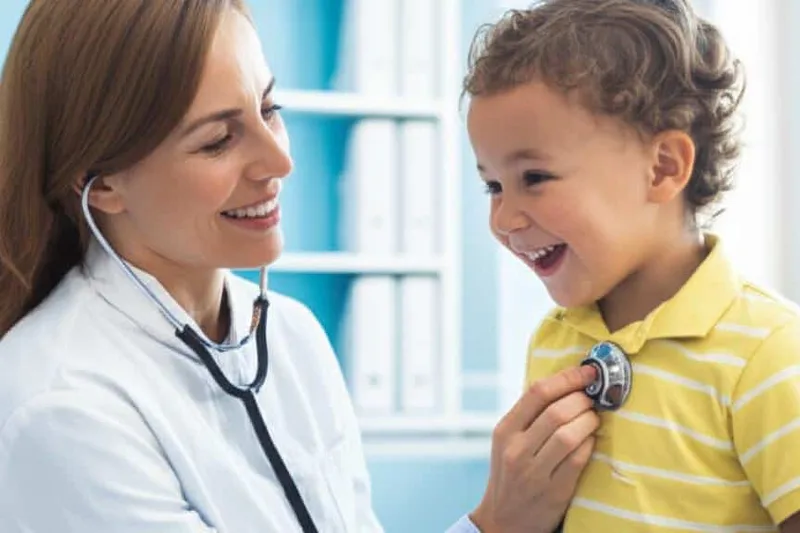
After your little one is born, or after the child gets a little older, you have to take him to the 'clinic' regularly, right? Some people also call this the 'wellness clinic'. Why is this so important? Does the child need to see a doctor even if he is not sick? Yes, he definitely does. This is the best way to make sure that the child is healthy and growing well. Let's talk about everything in simple terms.
What is this 'Well-Child Visit'?
Simply put, a 'well check' is when your child visits the doctor to check on their health and development when they are not sick. It's like having a car serviced from time to time. It's about checking to see if everything is okay before a problem occurs.
These tests start almost immediately after birth and continue until the child is 18-20 years old. This can be done by a pediatrician or your family doctor. The main purpose of this is to prevent diseases (Preventative Health) and to ensure that the child is developing properly.
What does the doctor do at this clinic?
During every wellness checkup, the doctor focuses on three main things: a physical examination, the child's developmental milestones, and vaccinations.
1. Physical Exam
This is the most important thing that is done in the clinic. Let's take a look at some of the things the doctor does here.
| Inspection | Simply put... |
|---|---|
| Weight and height measurement | The child's weight and height are measured and recorded on the Growth Chart in your Child Health Record (CHBR). This helps to determine whether the child is growing well for their age. The Body Mass Index (BMI) is also calculated to determine whether the child's weight is appropriate for their height. |
| Heartbeat and lungs | Using a stethoscope, the child's heart rate and lung function are listened to. |
| Eyes, ears and throat | The eyes, ears, and throat are checked for any infections or other problems. |
| Stomach and other organs | The doctor will palpate the abdomen to check for any abnormalities in internal organs like the liver and spleen. They will also check to see if the baby's hips and legs are moving properly. |
| Special tests for newborns | For a small baby, they ask about the number of wet and pooped diapers per day, the number of times the baby is breastfed, etc. This can help ensure that the baby is getting the proper nutrition. |
2. Child's growth and development milestones (Developmental Milestones)
As a child grows, they start doing certain things at certain ages. For example, things like rolling over, crawling, walking, and talking. These are what we call 'developmental milestones' .
The doctor will ask you, "Is the baby rolling over on his own now?", "Is he holding onto a chair?", "Is he saying two or three words?" These questions are asked to find out if the baby's brain and body are developing as expected. If there is any delay, this can be identified quickly and necessary steps can be taken.
3. Vaccinations
Another very important part of a wellness clinic is vaccination . It is because of these vaccines that your child can be protected from a number of serious and dangerous diseases, such as measles, whooping cough, and polio. These clinics provide the vaccines that are required according to the national vaccination program, depending on the child's age.
How often should I take my child to this wellness clinic?
A child's growth is very rapid during the first two years of life. Therefore, it is necessary to visit the clinic frequently during this period. The usual schedule followed in Sri Lanka is as follows:
| Normal clinic schedule for infants and toddlers | |
|---|---|
| Between 3-5 days after birth | Between 2-4 weeks |
| 2 months | 4 months |
| 6 months | 9 months |
| 1 year (12 months) | 1 1/2 years (18 months) |
| 2 years | 3 years |
| Then once every year until age 21 | |
As your child gets older, the frequency of vaccinations decreases. But don't be put off by saying, "There's no vaccine right now." Even if your child seems healthy, this annual checkup is very important. At this time, the doctor will perform a thorough examination of your child's vision, including:
This clinic becomes even more important as your child enters adolescence . It helps your child take responsibility for their own health and develop good habits. It's also a great opportunity to talk to a doctor about sensitive topics like sexual health and mental health.
Does this cost anything? What is the situation in Sri Lanka?
This is a problem that many parents have. In Sri Lanka, there are two ways to deal with this.
1. Government Hospitals and Medical Officer of Health (MOH) Offices: Child Welfare Clinics here are completely free . Necessary check-ups, consultations and all vaccines related to the National Immunization Program can be obtained at no cost.
2. Private hospitals: If you prefer, you can see a pediatrician at a private hospital. Here, you will have to pay a certain amount for medical fees and tests.
Important: If you go for a private health check-up and try to get medicine for your child's other illness (e.g. cough, cold) at the same time, you may be charged a separate fee. This is because a health check-up is a preventive measure. Therefore, if you have two questions, it is better to make separate appointments or talk to the doctor in advance.
How should you prepare before going to the clinic?
To make the most of the short time you spend meeting with the doctor, a little preparation is invaluable.
- Write down questions: Write down the things you want to ask the doctor and any concerns you have (about your child's eating habits, sleep, behavior) in a notebook beforehand. Otherwise, you might forget them when you get there.
- Be aware of changes in your child: If there are any significant changes in your child's health, behavior, or development since the last clinic visit, tell the doctor about them.
- Don't forget the CHBR book: Be sure to bring the Child Health Development Record (CHBR) , also known as the 'clinic card' . Everything about the child's growth and vaccinations is recorded in it.
- Other information: If the child goes to daycare or school, and there is anything important that the teachers have said, inform the doctor about that as well.
Listen carefully to what the doctor says. Don't be shy about asking again if you don't understand. If necessary, jot down important points in your notebook.
Take-Home Message
- A Well-Child Visit is not something you do when your child is sick. It is an important way to monitor your child's growth, development, and overall health, and to prevent illness.
- Each checkup includes a physical examination, a discussion about developmental milestones, and the administration of necessary vaccinations.
- Be sure to follow the clinic schedule, especially during the first two years of your child's life. Even as your child grows, annual checkups are important.
- Before going to the clinic, write down the questions you want to ask, take your child's CHBR book (clinic card), and go prepared.
- Never be afraid to talk to your doctor about any doubts or questions you may have about your child's health.




💬 Comments (0)
No comments yet. Be the first to share your thoughts here.
Add Your Comment