
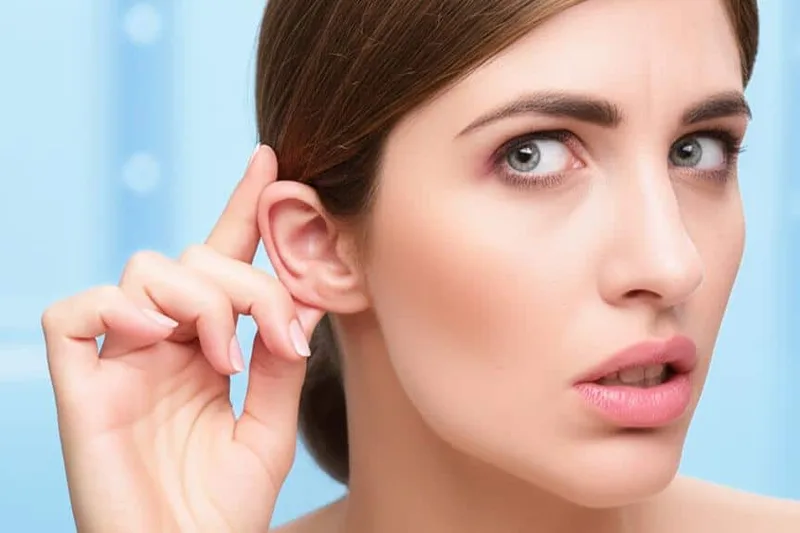
Constantly scratching the inside of your ear, sometimes feeling like poking it with an earwax or something... This is something that can happen to anyone, regardless of age. What we do about this annoying itch depends on what is causing it. But the most important thing to remember is that no matter how bad the itching is, it is never a good idea to put anything inside your ear . Don't even use a cotton swab. Doing so can damage your inner ear and even affect your hearing.
Usually, itchy ears are nothing to worry about. But if it bothers you all day long or keeps you up at night, it's best to see a doctor for advice.
Why do we itch our ears like this? Let's look at some of the reasons.
There are several main causes of ringing in the ears. Let's take a look at what they are and what other symptoms they may cause.
| Reason | Description and other characteristics |
|---|---|
| Earwax buildup | Earwax is our body's way of getting rid of dead skin cells and dirt. But when it builds up too much, it can cause irritation. This can be accompanied by symptoms like ear pain, a feeling of fullness in the ear, hearing loss, ringing in the ears (tinnitus), and dizziness. |
| Ear infections | Itching can also be a sign of an ear infection. These infections are caused by bacteria or viruses during colds and flu. Also, putting things like hairpins, paper clips, and matches in your ear can easily break the skin and cause germs to enter. "Swimmer's Ear" can also occur when water gets trapped in your ear while swimming. |
| Skin allergies (Allergies) | Things like hair spray, soap, and shampoo you use can cause an allergic reaction to the skin inside your ear and cause itching. Nickel-containing earrings, earbuds made of plastic, rubber, or metal, and hearing aids can also cause a condition called contact dermatitis . |
| Eczema and Psoriasis | If you have asthma, other allergies, or a history of very dry skin, you're more likely to develop eczema inside your ears. Psoriasis is a condition in which skin cells shed too quickly and build up, forming dry, red patches (plaques). Both conditions can cause intense itching inside and outside your ears. |
| Food allergies | If you have a pollen allergy, you may experience itching in your ears when you eat certain fruits, vegetables, or nuts. This is called Oral Allergy Syndrome . The itching usually goes away once you swallow the food. |
| Jaw pain (TMD) | Ear ringing can also be caused by a problem with the joints that connect your lower jaw to your skull (temporomandibular joints). This is called Temporomandibular Disorder (TMD) . Things like grinding your teeth at night can cause this. |
Why does ear itching increase at night?
I don't know if you've ever noticed, but itching anywhere on our bodies tends to increase at night. The main reason for this is our body's natural 24-hour cycle, or circadian rhythm .
Simply put, when we sleep, blood flow to our skin increases. At the same time, the body's release of certain chemicals that control inflammation decreases. It is when these two natural changes combine that we feel itchier at night.
In addition, these things can also affect:
- Hormonal changes: Hormonal changes during periods such as the menstrual cycle, pregnancy, or menopause can increase itching.
- Some medications: Itching can also be a side effect of some medications you take (e.g., water pills, antibiotics).
- Products that are harmful to the skin: Harsh soaps or shampoos used when bathing at night can also irritate the skin of the ears and cause itching.
What are some home remedies for itchy ears?
Most importantly: No matter how much it itches, never pick at your ear or put anything inside it. Even a small scratch can introduce germs and cause a major infection.
Okay, so let's see what you can do at home and what you shouldn't do.
Try these things:
- Bathe in hot water: But don't bathe in very hot water, as it dries out your skin. Also, limit your bath time to no more than 15 minutes.
- Use a mild, unscented soap: Choose products labeled "hypoallergenic." They are less likely to cause allergies.
- Take an antihistamine pill: These medications, which you can buy at the pharmacy, block the chemical called histamine that causes itching. But it's best to consult a doctor before taking medication.
- Use hydrogen peroxide: This helps remove earwax and kill germs. Tilt your head to one side and put one or two drops into your ear using an eye dropper. After about a minute, turn your head to the other side and open the ear to drain the excess fluid.
- Apply some petroleum jelly: If you have a condition like eczema, clean the ear and apply a small amount externally. This will help keep the skin moisturized.
Don't put these things in your ears:
Although some people online say these are good, doctors absolutely do not recommend putting these oils in the ears:
- Garlic oil
- Olive oil
- Tea tree oil
These have not been scientifically proven to have any benefit. Also, some oils can burn the sensitive skin of the ear.
What are the best times to see a doctor?
If you have these symptoms, definitely see a doctor.
- If you have severe ear pain
- If there are other symptoms (e.g. fever, dizziness) along with the itch
- If you have a fever
- If the itching is so bothersome that you can't do any work during the day
- If you scratch your ears so much that you can't sleep at night
Your doctor can help you find the exact cause of your earache. He may look inside your ear with an instrument called an otoscope. Depending on the cause, he may prescribe treatments such as:
- Corticosteroids: As ear drops, a cream, or sometimes as oral tablets.
- Aluminum acetate solution: Reduce redness and swelling.
- Earwax removal: This is done by the doctor himself using a special instrument or an 'irrigation' method.
- Surgery: To remove a keloid scar.
- Physical therapy: For TMD conditions.
Take-Home Message
- Itchy ears are usually nothing to worry about, but if they persist or interfere with your daily activities, don't ignore them.
- Most importantly: Never put hairpins, cotton swabs, or anything else inside your ear for any reason. This can damage the eardrum and cause serious infections.
- If you have allergies, identify and avoid the things that cause itchy ears (soap, shampoo, earrings).
- If you have symptoms such as itching, pain, fever, fluid from the ear, or hearing loss, see your doctor immediately.




💬 Comments (0)
No comments yet. Be the first to share your thoughts here.
Add Your Comment