
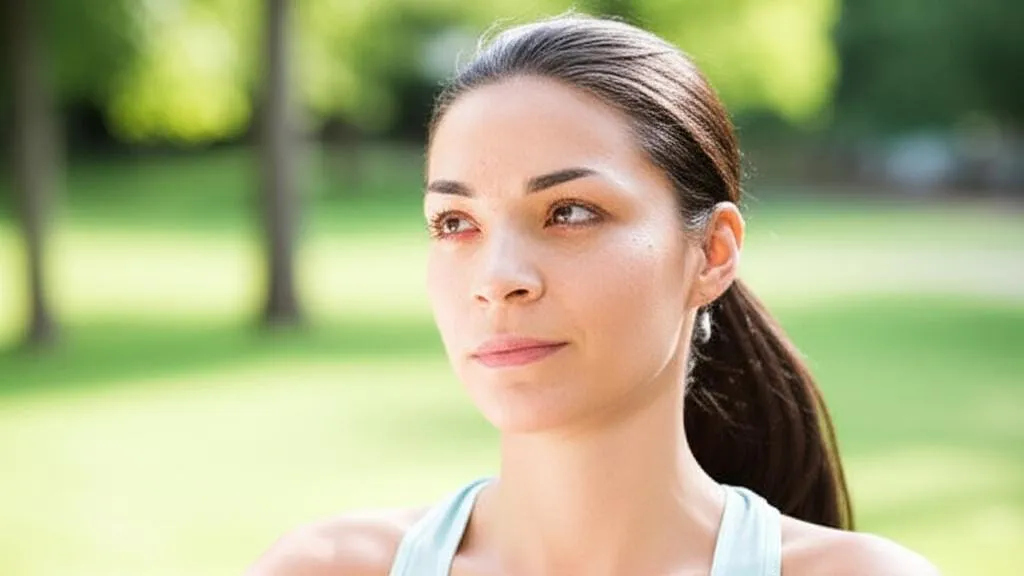
When the sun is shining, the weather is nice and warm, everyone wants to get outside and get some exercise. Maybe you're tired of exercising indoors. Or maybe you're thinking about starting a new exercise routine. However, exercising in such a beautiful environment is very good for both your body and your mind.
But if you, like thousands of others, suffer from seasonal allergies, you probably cringe at the thought of going outside during this time of year. That's because there's a lot of pollen in the environment at this time of year. This can lead to symptoms like sneezing, coughing, runny nose, and red, itchy eyes . Some people also call this "Hay Fever." So, you may be wondering how to exercise outdoors when you have something like this. But don't worry. Allergy experts say that there are ways to exercise outdoors safely while still managing your allergies. Let's see how.
Why do allergies increase outdoors?
The first and simplest reason for this is pollen. Simply put, when you move quickly, for example, when you run or ride a bike, your respiratory rate increases. This means that the number and speed of your breaths increase.
Think about it, when you run fast, you're moving through the air. A lot of pollen and mold spores floating in the air hit your face, and enter your body through your nose and mouth. The more pollen you inhale, the more likely you are to have an allergic reaction .
So, especially on days when pollen levels are high, if your allergy symptoms are severe, running fast, cycling, or playing team sports like cricket or football can be a bit risky.
| The best exercise for people with allergies | Exercises to be cautious about (especially on high pollen days) |
|---|---|
| Yoga | Running/Jogging |
| Swimming | Biking |
| Tai Chi | Team sports (Team sports like football, cricket) |
| Weight training | Any activity that increases breathing rate excessively |
How weather and time affect
If you can't do something like running or cycling, there's a solution for that too. That is, exercise when the pollen levels in the environment are lowest . According to the American Academy of Allergy, Asthma & Immunology (AAAAI), pollen concentrations are typically highest between 5 and 10 a.m.
And the weather also has a big impact on this.
- Pollen days: Pollen levels are usually highest in the morning on warm, dry, and windy days.
- Low pollen days: Rainy, cool days have low pollen levels.
Therefore, you can check the weather and go outside to exercise on a rainy day or after it rains. Then, since the pollen count is lower, the chances of allergy symptoms occurring are also lower.
Know your personal pollen tolerance
Another important thing is to understand your tolerance level for pollen. Some people experience allergy symptoms even when pollen levels are just slightly elevated. For others, symptoms only occur when pollen levels are very high. You can monitor daily pollen counts (which you can find online) and keep a diary of when your symptoms start. You can then use that information to plan your workouts for days when you are not experiencing any problems.
"Pollen can travel for miles. So even if you're running on the deck of a ship, you can still get allergy symptoms caused by pollen."
That means you can't completely avoid exercising in a treeless area. However, the further away you are from the pollen source, the less likely you are to experience discomfort. For example, exercising on an asphalt tennis court is better than exercising on a grassy field. Also, exercising on a beach may be less likely to cause allergy symptoms than exercising in a wooded area with lots of trees.
Be sure to do these things after you finish exercising.
Surprisingly, the hormone adrenaline produced by your body during exercise can temporarily suppress your allergic response. Also, it can take up to an hour for pollen to enter your body and cause an allergic reaction. This means that you may not start to feel the worst symptoms during exercise, but after you've finished.
To reduce this risk, experts advise taking a shower, washing your hair, and putting on clean clothes as soon as you get home from exercising outdoors . Doing so will remove any pollen that may have settled on your body and clothes.
If you use medication...
If you are taking medication to control your allergies, it can be a great help to exercise outdoors. But for best results, it is important to take your medication as prescribed by your doctor. This way, you will be fully protected when you go outside.
If you usually take your medication only before going out, take it at least an hour before exercising . If you use a nasal steroid spray, you should start using it 24 hours before exercising.
Most importantly: Before using any of these medications, be sure to talk to your doctor and follow his or her instructions exactly.
A few more important tips
If your allergies are severe, you may need to limit your outdoor exercise time. Otherwise, it's best to exercise indoors on days when pollen levels are high, hot, and windy. If you exercise outdoors, these tips will help you.
- If itchy and watery eyes are a problem, wear sunglasses or goggles when outdoors. Use eye drops an hour before exercising. If you rub your eyes at night, change your pillowcase daily, and wash your hair before bed.
- If you are doing exercises that require deep breathing, such as running, you can reduce the amount of pollen that enters your body by wearing a light paper face filter.
- After exercising, use a saline nasal spray to rinse out the pollen inside your nose.
- Avoid exercising outdoors on days when you feel tired, exhausted, or stressed, as your immune system is more sensitive to allergens at such times.
- You may be aware of a condition called Oral Allergy Syndrome . This is when you have a reaction between certain foods you eat and pollen in the environment, causing your allergy symptoms to worsen. For example, if you are allergic to birch pollen, eating apples, cherries, peaches, plums, or celery seeds may worsen your symptoms.
- When you're done exercising, go inside, close the windows, and turn on the air conditioner if possible. Stay indoors until your symptoms subside.
💡 Take-Home Message
- Having allergies doesn't mean you have to completely stop exercising outdoors.
- Choose a suitable time to exercise (avoid between 5-10 am) and suitable weather (a rainy or cool day).
- Instead of things like running or cycling, choose allergy-friendly exercises like yoga and swimming.
- As soon as you come back from exercising outside, take a shower, wash your hair, and put on clean clothes. This is very important.
- Talk to your doctor about the right medications for your allergy condition and the correct way to use them.
- Listen to your body. Don't force yourself to exercise outside on a day when your allergy symptoms are severe.






Janiw kuna arsuwinakas jichhakamax uñt’ayatäkiti. Aka chiqanx amuyt’awim jan ukax jiskt’awim yapxatañamawa.