
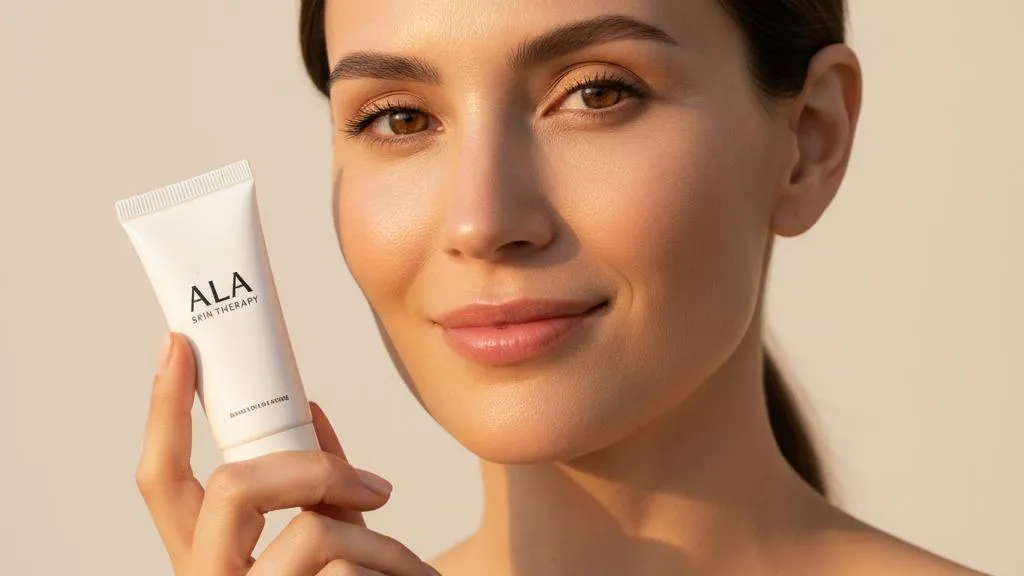
There is no shortage of sunlight in our country. But when we are constantly exposed to this harsh sun, sometimes rough, small scaly spots can appear on the skin. These are especially seen in areas that are constantly exposed to the sun, such as the face, scalp, and hands. These can sometimes turn into skin cancer in the future. So today we are talking about a special, advanced treatment for such spots.
What is this medicine called Aminolevulinic Acid?
Simply put, this is a gel that is applied to the skin. But it doesn't just work by rubbing it on. It is used in conjunction with light therapy. To be precise, we call this treatment method Photodynamic Therapy (PDT) .
Here's what happens: You apply this gel to that problematic, rough spot on your skin. Then, this gel attaches itself to the abnormal, rapidly dividing cells in your skin, making them very sensitive to light. Then, a few hours later, a special red light is focused on the area where the gel was applied. What happens is that only the abnormal cells that are sensitive to light are selectively destroyed. The amazing thing is that this does not cause much damage to healthy skin cells.
Things you need to tell your doctor before starting treatment
You should definitely discuss these issues with your doctor before deciding whether this treatment is right for you and safe.
- If you have any bleeding disorders .
- If you have a rare blood disorder called porphyria .
- If you have other skin diseases or problems .
- If you have ever had an allergic reaction to this medicine, to soybeans, to a chemical called porphyrins, or to any other medicine, food, or dye.
- If you are pregnant, or trying to get pregnant .
- If you are a breastfeeding mother .
It is very important for your safety to tell the doctor these things without hiding them.
How is this treatment done?
This is not something you can do at home. This is something that is done entirely under medical supervision in a hospital or clinic. Therefore, you will not be allowed to take this medicine home.
Treatment occurs in two main steps:
1. Step 1: Your doctor or trained nurse will apply this gel to the problem spot or spots on your skin.
2. Step 2: About 3 hours after applying the gel, a special red light is focused on the applied area for about 10 minutes.
Usually, this treatment is done once. However, sometimes, if necessary, the doctor may decide to repeat the treatment after 3 months.
If this medicine accidentally gets in your eyes, immediately rinse your eyes thoroughly with clean water.
Do not miss your appointment for this treatment, as there is a connection between the time the gel is applied and the time the light is focused. If you are unable to come for any reason, please call your doctor as soon as possible and let them know.
Does this have any interactions with other medications? (Interactions)
Yes, this is a very important point. The main thing about this treatment is that after it, your skin becomes very sensitive to light (photosensitive). This means that even a little sun exposure can quickly cause the skin to redden and burn. If you are using some other medications, this sensitivity can increase even more.
Look at the table below.
| Type of medicine | Impact |
|---|---|
| Some diuretics | Increases skin sensitivity to sunlight. |
| Some diabetes medications (e.g., glipizide, glyburide) | Increases skin sensitivity to sunlight. |
| Some antibiotics | Examples: Fluoroquinolones, sulfonamides, tetracyclines. These also increase sensitivity. |
| St. John's wort herb | Increases skin sensitivity to sunlight. |
| Vitamin A and Vitamin E | Sensitivity may be increased when taken in high doses. |
This is not a complete list, so it is important to tell your doctor about all medications, vitamins, and even herbal products you are taking.
Things to be especially careful about after treatment
This part is the most important.
Avoid direct sunlight and excessive indoor light for 48 hours after applying the gel.
This is very important. If you have to go outside, wear a wide-brimmed hat and cover your body completely.
Surprisingly, regular sunscreen does not provide any protection against the photosensitivity that occurs after this treatment. Therefore, do not go out in the sun just because you have applied sunscreen.
Also, do not use artificial light devices like tanning beds. Be sure to go to the appointments your doctor gives you to check the progress of your treatment.
What are the possible side effects?
As with any treatment, there are some side effects that can occur. Some should be reported immediately, while others are normal.
| Side effect | What to do |
|---|---|
| Things to report to the doctor immediately | |
| Allergic reactions: skin rash, itching, swelling of the face, lips, tongue or throat. | Inform your doctor immediately or go to the nearest hospital Emergency Department (ETU) . |
| On treated skin: severe inflammation, itching, crusting, or peeling of the skin. | Inform your doctor immediately. |
| Confusion | Inform your doctor immediately. |
| Things that are usually not dangerous, but should be reported to the doctor if they are bothersome | |
| Headache, chills | If these persist or are bothersome, inform your doctor. |
| Mild redness, dryness, or slight itching of the treated skin. | These are things to be expected, but if they are excessive, tell your doctor . |
This list does not include all possible side effects, so if you experience anything unusual, don't be afraid to talk to your doctor about it.
💡 Take-Home Message
- Aminolevulinic acid gel is a photodynamic therapy (phototherapy) treatment for sun-damaged skin.
- This is only done under medical supervision in a hospital or clinic. It is not a home treatment.
- Most importantly: Avoid sunlight and excessive light completely for 48 hours after applying the gel.
- Normal sunscreens do not provide protection against photosensitivity that occurs during this time.
- Tell your doctor about all medications, vitamins, and herbal products you are taking.
- If excessive swelling, inflammation, or allergic symptoms occur, seek medical advice immediately.


Janiw kuna arsuwinakas jichhakamax uñt’ayatäkiti. Aka chiqanx amuyt’awim jan ukax jiskt’awim yapxatañamawa.