
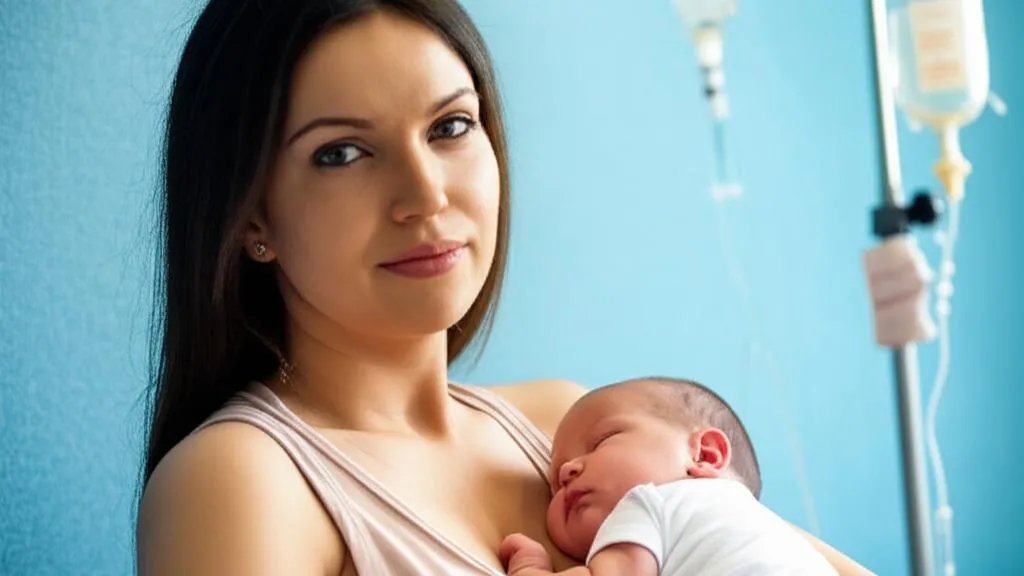
Breastfeeding is a dream of every mother. However, when you find out that you have breast cancer, it is very normal to have a lot of fears and questions about this dream. "Can I breastfeed my baby?", "Will the medicine I take harm the baby?", "Will the cancer spread to the baby?" There are a thousand things that must be bothering you. First of all, cancer is not transmitted to the baby through breast milk. However, some treatments can be harmful to the baby. So, let's talk about this clearly today.
What are your options at this time?
It's not a good idea to make decisions on your own at this sensitive time. The most important thing is to talk openly about this with your cancer doctor. He or she will explain to you whether it's safe to breastfeed your baby based on your treatment plan.
Often, doctors advise you to stop or not start breastfeeding if you are taking the following treatments:
- Chemotherapy, Hormone Therapy , and Targeted Therapies: Simply put, many of the powerful drugs used in these treatments can pass into your breast milk and affect your baby. They can have serious effects on your baby's growth and health. Therefore, you should avoid breastfeeding while you are receiving these treatments. However, this does not mean that you can never breastfeed your baby. You may be able to stop breastfeeding for the duration of your treatment and then resume after your doctor has given you permission.
- Surgery: If you are going to have breast surgery, your doctor may tell you to stop breastfeeding for a while beforehand. There are several reasons for this. When you stop breastfeeding, the blood flow to your breasts decreases, making them smaller. This helps make the surgery easier. It also reduces the risk of breast infection after surgery.
- Radiation Therapy: Some women can breastfeed while undergoing radiation therapy. However, it depends entirely on the type of radiation therapy you are receiving and the location of the treatment. Only your doctor can make the right decision about this.
The most important thing is, don't feel bad about not being able to breastfeed for any reason. Your safety and that of your baby should come first. Even with formula, you can provide your baby with all the nutrients they need.
Be aware of these symptoms.
The sooner breast cancer is detected, the better the chance of cure. However, hormonal changes during pregnancy and breastfeeding can make it difficult to detect breast changes and lumps. During breastfeeding, breasts can become swollen and firm, making it difficult to tell whether a lump is normal or cancerous. This is why cancer is sometimes detected at an advanced stage.
Therefore, it is very important that you always be aware of the following symptoms.
| Symptom | Simply explained |
|---|---|
| A lump in the breast or armpit | A hard lump that is not like the lumps that occur during breastfeeding, but is felt in the hand. |
| A change in breast size or shape | One breast being unusually larger, smaller, or changing in shape than the other. |
| Dimple | A dimpled, pitted area in the skin of the breast. |
| Redness, swelling, or blistering of the skin | Redness, swelling, or dry, crusty skin on the breast, nipple, or surrounding skin (areola). |
| Nipple inversion | A previously normal nipple sinks inward. |
| An unusual sound | A watery or blood-colored fluid that is not breast milk comes out of the nipple. |
| Orange peel appearance (Peau d'orange) | The skin of the breast takes on a rough, pitted appearance, like an orange peel. |
If you suspect that you have any of these symptoms, please see a doctor immediately without fear or delay.
Some useful tips for you
If you decide to breastfeed on medical advice, these tips will help you:
- Pump to maintain your milk supply: Imagine that you have to stop breastfeeding for a while due to treatment. But you hope to breastfeed again after treatment is over. In that case, you can use a breast pump to remove the milk. But remember, if you are taking medications such as chemotherapy, targeted therapy, or hormone therapy, you must definitely throw away the pumped milk. Do not give it to your baby under any circumstances. When you pump milk this way, your brain is sent a signal that you are still breastfeeding. Then your body will continue to produce milk. You can start breastfeeding your baby again after treatment is over.
- Be prepared for challenges: After surgery or radiation therapy, your milk supply may decrease. Or the shape of the treated breast may change, making it difficult for your baby to breastfeed. It's normal to feel sad and frustrated about these things. But stay strong. Many mothers overcome these challenges little by little.
- Seek expert help: It's a good idea to seek help from a lactation consultant if you have one. The nursing staff at your hospital can also help you with this.
- Talk to your doctor regularly: It's normal to have a lot of questions during this journey. Things like "Am I doing the right thing?" and "Is the baby okay?" come to mind. Talk to your doctor about all of these. If you're breastfeeding with breast cancer, it's extremely important to maintain good communication between you and your doctor.
💡 Take-Home Message
- Be sure to talk to your doctor before deciding whether or not to breastfeed if you have breast cancer.
- Breastfeeding while undergoing some aggressive treatments, such as chemotherapy, can be dangerous for the baby. However, on medical advice, breastfeeding can be resumed after the treatment is over.
- Always pay attention to changes in your breasts during pregnancy and breastfeeding. If you notice anything suspicious, such as a lump or skin change, see a doctor immediately.
- Don't feel bad or feel bad about yourself for not being able to breastfeed for any reason. Your safety and that of your baby are the most important things. Formula milk can provide the nutrition your baby needs.






Janiw kuna arsuwinakas jichhakamax uñt’ayatäkiti. Aka chiqanx amuyt’awim jan ukax jiskt’awim yapxatañamawa.