

So how are you and your 9-month-old baby? Babies grow up so fast during this time, and they learn new things, right? So, the Well-Child Visit we do at 9 months is important to see if your baby is developing properly and is healthy. There's nothing to worry about, this is a normal checkup. Let's see what happens during this, and what you need to know.
BMI Calculator
Know your body mass index (BMI) and weight classification
What happens during this medical examination?
When you pick up your baby, you can expect the doctor or nurse to do these things:
1. Measure the baby's weight, height, and head circumference
The first thing to do is to measure the baby's weight, height (length), and head circumference and record them on a growth chart . This allows the doctor to see if the baby is growing appropriately for his age. He also compares the measurements with those from previous months.
2. Developmental Screening
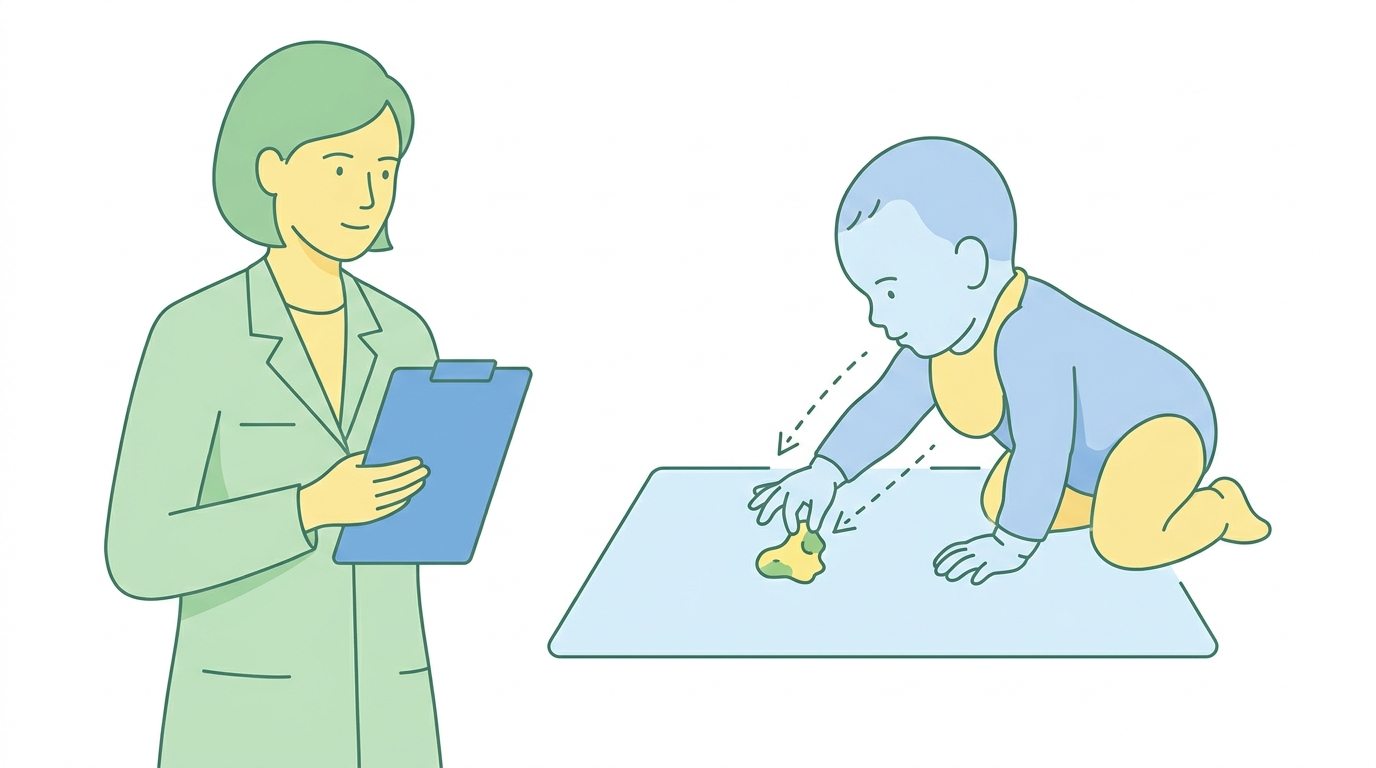
Next, a special test will be done to help identify any developmental delays in your baby. During this, the doctor may ask you questions and observe your baby. Don't worry, this is done so that if there is a problem, it can be identified and helped quickly.
3. Asking you questions, discussing your problems, and giving advice
The doctor will talk to you about your baby in detail. This is a good time to ask any questions you have or anything that is on your mind. The doctor will ask how your baby is doing these days, especially about these things:
Eating
By now, your baby has started eating different types of baby food , along with breast milk or formula . He may be trying to drink a little water from a cup and pick up small pieces of food with his hands. The doctor will ask about this. He will also talk about what new foods to give him and how to give them.
Peeing and Pooping
When you introduce new foods to your baby, you may notice that the color, texture, and number of times your baby poops per day change. This is normal. However, if your baby has diarrhea, or if their poop is very hard, dry, or difficult to pass, you should tell your doctor.
Sleeping
On average, a baby this age sleeps about 12-16 hours a day. They may take a nap once in the morning, another after lunch, or two times a day. However, not all babies are the same. It is also normal for some babies to wake up at night at this age.
Developing - Milestones
This is a very important part. By 9 months, most babies will be doing these things:
- Makes various sounds like "ma-ma-ma", "ba-ba-ba".
- They turn their heads when their name is called.
- Like happy, sad, angry, surprisedThe face shows different emotions.
- When you see people you don't know , you feel shy, embarrassed, or scared .
- Laughs while playing "peek-a-boo".
- They pull objects like pieces of food towards themselves with their fingers .
- Things are transferred from one hand to the other .
- When something like a toy falls from your hand, you look for it on the ground .
- Becomes able to sit up on his own (for example, sits up from a reclining position on his own).
- Sitting alone without any support .
Imagine, your little girl or boy is playing in the living room. When you call out from the kitchen, " Little girl," he or she looks in the direction of the sound. That's also a development that is appropriate for this age.
If your baby isn't doing one or more of these things, or if you feel like they're not doing something they used to , be sure to talk to your doctor about it. Don't worry, not all babies develop at the same rate. But if you tell your doctor, he or she can look into it.
4. Complete examination of the baby
In front of you, the doctor will remove all of your baby's clothes and examine him thoroughly. This will include an eye exam , listening to your baby's heart, checking his pulse, and checking his hip bones . The doctor will also pay attention to your baby's movements .
5. Vaccines Update
Vaccines are very important to protect your baby from serious diseases. So, it is important for your baby to receive the vaccines on time. The vaccination schedule may vary slightly from doctor to doctor. So talk to your doctor to know what to expect.
6. Ordering a blood test
If necessary, the doctor may take some of the baby's blood and have it tested to see if there is lead exposure or if there is anemia ( a lack of blood ).
Things to remember until your next 12-month checkup
Okay, now let's see what you should specifically keep in mind until your baby's next big checkup, which is at 12 months.

Clinical vitamins and nutritional supplements
Clinically proven high quality vitamins, minerals and immune nutritional supplements.
Check Availability →


No comments yet. Be the first to share your question or experience below.