
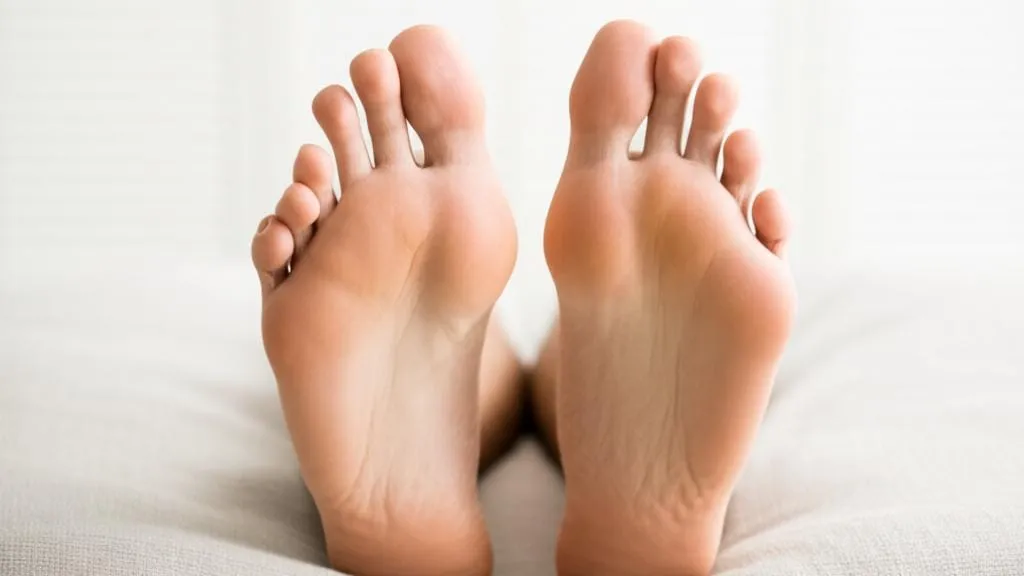
Diabetes Mellitus is a disease that many people in our country are currently suffering from. In this, we pay most attention to controlling blood sugar levels. But one thing that many people forget, and it is also very important, is taking care of our feet. If you have diabetes, you need to take more care of your feet than others. Because, even a little carelessness can lead to a big problem later on. So, let's talk today, how to take care of these feet.
HbA1c ukax wilan glucosa ukar mayjt’ayi. HbA1c (%), mmol/mol, ukhamaraki glucosa promedio wilanxa mg/dL ukhamaraki mmol/L ukjamaraki mä ratuki mayjt’ayaña.
Why do you need to think so much about your feet when you have diabetes?
Simply put, there are two reasons.
1. Nerve Damage: When diabetes is uncontrolled for a long time, the nerves in our body start to get damaged. Especially the nerves in our feet. We call this (Peripheral Neuropathy). Think about it, our nerves are like electrical wires. What happens when these wires are damaged? Sensation, that is, feeling, decreases. Things like heat, cold, and pain become less noticeable. So even if a small pebble gets stuck in your foot, or if you get a cut in your shoe, you may not even feel it.
2. Poor Blood Flow: Diabetes can cause our blood vessels to narrow and the walls to thicken. This reduces the amount of blood that goes to our feet. For a wound to heal, there needs to be good blood flow to that area. This is because blood carries the oxygen and nutrients needed to heal wounds. So when the amount of blood that goes to the feet decreases, even a small wound takes a long time to heal. It also increases the risk of infection.
When these two factors come together, a small wound that is left unnoticed can become infected and, over time, develop into a very serious condition (e.g., Diabetic Foot Ulcers). In some cases, it may even be necessary to remove the foot. That's why we need to be so careful about this.
The habit of checking your feet every day
This is the most important thing. Just like brushing your teeth, make it a habit to check your feet at the same time every day , for example before going to bed at night. Do this while sitting in a well-lit area. Use a mirror to look at the soles of your feet, or ask someone at home for help.
What should we see?
| What to check | Description |
|---|---|
| Skin changes | Check for dry, cracked skin (especially on the heels), discoloration of the feet, or redness in places. |
| Wounds and scratches | Check carefully for any minor cuts, scrapes, blisters, or bruises. Don't forget to look between your toes. |
| Swelling and warmth | Check for unusual swelling in the foot or ankle area, or if it feels warmer to the touch than other areas. |
| Nails | Check the color of the nails (yellow, black), their thickness, and whether there is any pain due to ingrown toenails. |
| Knots and knots | Check for new bunions, corns, and calluses on your feet. |
Keeping feet clean and trimming nails
How to wash feet
- Use lukewarm water and a mild soap. Never use hot water. The skin can burn due to lack of sensation. It is safest to use the elbow of your hand to test the temperature of the water.
- When washing your feet , don't soak them in water for too long . This can dry out the skin.
- After washing, rinse thoroughly. Do not rub vigorously, but pat dry with a soft towel . Dry thoroughly, especially between the toes.
- After drying your feet, apply a moisturizing cream or something like petroleum jelly. But don't apply it between your toes . If moisture stays there, you could get fungal infections.
How to cut nails
- It's easier to trim your nails when they're soft, like after a bath.
- Cut your nails straight across . Do not cut them inwards from the corners. Doing so can cause the nail to dig into the skin.
- After cutting, gently file the edges with a nail file.
- If you find this difficult to do, hire someone experienced. If you are going to a salon, it is safer to bring your own equipment.
Choosing shoes and socks - this is very important!
For someone with diabetes, shoes are not just a fashion accessory, they are a safety device.
- Never walk barefoot. Even indoors, wear something like slippers. A small pebble or shard of glass on the ground can prick your foot without you realizing it.
- Wear shoes that fit well. Shoes should not be too tight or too big. When buying shoes, go late in the day. Because your feet will swell a little after walking all day, the shoes you buy at that time will fit perfectly.
- Put your hand inside the shoe and look for any rough spots or protruding seams.
- Avoid pointed-toe shoes, high heels, and flip-flops, which have open toes . These do not provide protection for your feet.
- Change your socks daily. Choose socks made from natural materials like cotton that are loose and comfortable. There are now special types of socks (diabetic socks) for diabetics. They have fewer seams and do not interfere with blood circulation.
When to see a doctor immediately
If you notice any of the following during your daily foot check, see your doctor without delay . Don't ignore it.
- If there is redness, swelling, or warmth to the touch in a part of the foot (these may be signs of an infection).
- If pus or other fluid is draining from a cut, blister, or wound.
- If the skin on the foot has turned black .
- If you have an ulcer that is not healing.
- If the skin between the toes is cracked and itchy (this could be a fungal infection such as Athlete's foot).
- Do not cut or apply medication to corns or calluses yourself. See a doctor to have them removed safely.
- If numbness, inflammation, or pain in the foot increases.
- If you suddenly feel like your foot is changing shape, it could be the beginning of a serious condition called Charcot foot.
If you have a sudden injury or burn, go to the nearest hospital's Emergency Department (ETU) immediately.
Don't forget, your diabetes doctor should check your feet at every clinic visit. If he doesn't, remind him to check his feet yourself.
💡 Take-Home Message
- Keep your diabetes and blood sugar levels under control. This is the beginning of everything.
- Check your feet carefully at the end of each day . Notice any small changes.
- Never walk barefoot. Wear a pair of safety sandals, even at home.
- Wear well-fitting, protective shoes and cotton socks.
- Keep your feet clean and dry, especially between your toes.
- When cutting your nails, cut straight across, not at an angle.
- If you notice any abnormality in your foot (wound, redness, swelling) , see a doctor without delay.





Janiw kuna arsuwinakas jichhakamax uñt’ayatäkiti. Aka chiqanx amuyt’awim jan ukax jiskt’awim yapxatañamawa.