
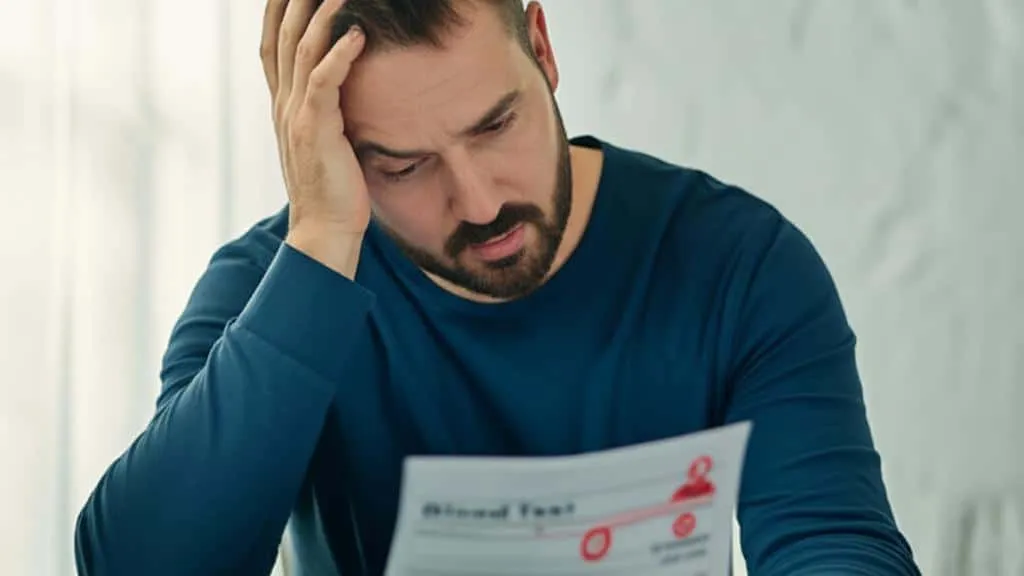
We're all a little scared of the word "cholesterol," aren't we? If someone says, "Oh, my cholesterol is a little high," we think it's a big disease. But actually, cholesterol is essential for our bodies. This 'good' cholesterol helps to make certain hormones and produce things that help us digest food. But the problem lies with the 'bad' cholesterol. We call this LDL (Low-Density Lipoprotein). This is what increases the risk of serious conditions like heart disease and stroke. So when you look at a blood report, it's very important to pay attention to all these values, not just the total cholesterol level.
What really happens to LDL, the 'bad' cholesterol?
'Bad' cholesterol, or LDL, can cause serious health problems. Think of your blood vessels as pipes that carry water. This LDL cholesterol has a habit of building up on the inside of the walls of these blood vessels. It's like dirt and grime building up inside a pipe.
When this happens, white blood cells gather in those areas and cause a little swelling and inflammation. Over time, this deposited fat and cells accumulate and form something we call Plaque. This plaque gradually grows and reduces the space for blood to flow inside the blood vessel. That is, it becomes a hole in the tube.
A heart attack or stroke usually occurs when the wall of that plaque weakens and suddenly ruptures. A blood clot then forms around the lesion. If this blood clot suddenly completely blocks the blood vessel, the blood supply to the heart or brain can be cut off, causing these serious conditions.
How do you check your cholesterol level?
Your doctor will check your cholesterol levels with a simple blood test. We usually call this a 'Lipid Profile'. Sometimes you may be asked to fast for 10-12 hours before donating blood. But this is not always necessary.
This blood test will tell you:
- Total Cholesterol Level
- Levels of LDL (Low-Density Lipoprotein), the 'bad' cholesterol
- Levels of HDL (High-Density Lipoprotein), the 'good' cholesterol
- The level of another type of fat in the blood called triglycerides
All of these are measured. Your doctor will review this report and explain to you clearly how these values affect your health and what they mean.
Good ways to control 'bad' cholesterol
There are two main ways to control LDL cholesterol levels. One isLifestyle changes. Another is the use of medications . The most important thing to remember is that before starting anything new, whether it's a new exercise routine or a new diet, you should definitely talk to your doctor .
The table below contains some simple and healthy habits you can adopt.
| What can be done? | A little bit about it |
|---|---|
| Reading food labels | Check the labels of foods you buy from the store and choose items that are low in saturated fat. |
| Choosing good meats | Include skinless chicken and fish as your main meats. Limit red meat (beef, pork). |
| Vegetables, fruits and herbs | Fill most of your plate with vegetables, fruits, legumes, and whole grains. |
| Staying active (exercise) | Even a simple exercise like brisk walking for 30 minutes a day, at least 5 days a week, can go a long way in lowering your cholesterol levels. |
If your doctor finds that your LDL cholesterol level is still high despite these lifestyle changes, he or she may prescribe a medication called a statin. Sometimes other medications can also help.
Why are some people's cholesterol still not decreasing?
There may be several reasons for this.
- Not accepting your cholesterol problem: Thinking, "Oh... that's just the way it is" is one of the main reasons people don't make the necessary lifestyle changes.
- Not taking medication properly: Not taking medication at the right time, as prescribed by the doctor.
- Stopping medication when side effects occur: Sometimes medications can cause minor side effects. When this happens, it is important to talk to your doctor immediately and discuss other options, rather than stopping the medication on your own.
- Addiction to fast food: Eating out frequently, eating foods high in oil, sugar, and salt.
- Staying in one place without exercising.
Maybe this is a generational thing.
Imagine, no matter how careful you are about what you eat and drink, no matter how much exercise you do, your cholesterol won't go down. Maybe it's not your fault. It could be a genetic condition that runs in families.
We medically call this Familial Hypercholesterolemia.'' This is not as rare as you might think. On average, about one in 250 people may have this condition.
This is caused by a mutated gene that is passed down from family to family. This gene reduces the body's ability to remove LDL cholesterol from the blood. This can cause LDL levels to be about twice as high as normal. The good news is that doctors can detect this condition very early . Sometimes it can be detected at birth or even in early childhood.
Although lifestyle changes, such as eating well and exercising, can be very helpful for these people, medication may be necessary to reduce the risk of heart disease.
💡 Take-Home Message
- There are two types of cholesterol, 'good' (HDL) and 'bad' (LDL). It's the 'bad' type that causes us problems.
- 'Bad' cholesterol (LDL) can clog blood vessels and cause serious conditions such as heart attacks and strokes.
- Be sure to check your cholesterol levels with a blood test (Lipid Profile) and discuss the results with your doctor.
- A healthy diet and daily exercise are essential for controlling cholesterol.
- If your doctor prescribes medication, use it exactly as prescribed. Never stop taking medication without medical advice.
- High cholesterol is probably a genetic condition that runs in families. It's not your fault, but it requires proper medical management.




Janiw kuna arsuwinakas jichhakamax uñt’ayatäkiti. Aka chiqanx amuyt’awim jan ukax jiskt’awim yapxatañamawa.