
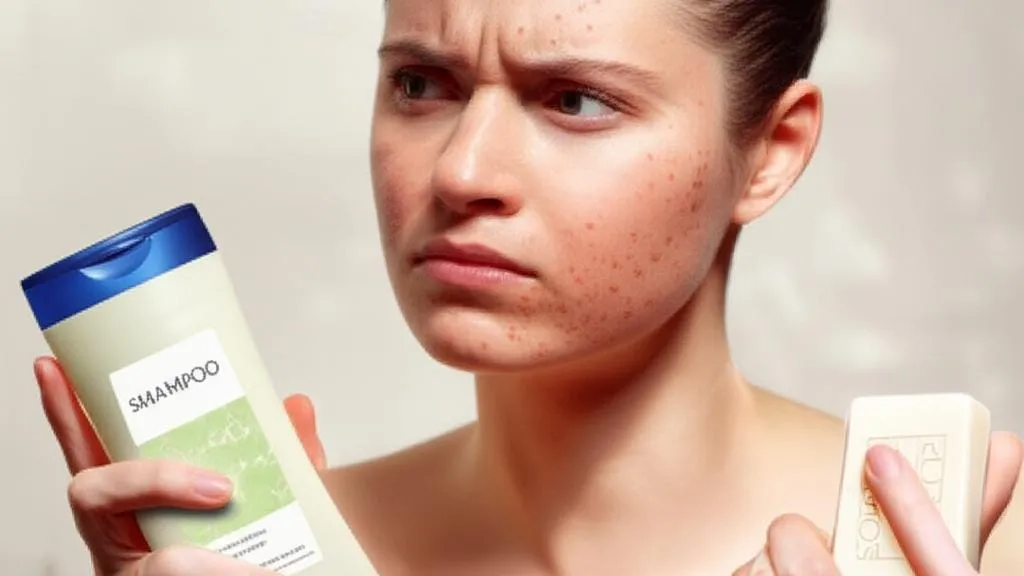
Have you ever used a moisturizer that your friend said was "great" and your face started to turn red and peel? Have you suddenly started to itch and burn your hands because of the cleaner you've been using to make your bathroom sparkle for years? Many people have had similar experiences. Sometimes, these things we use every day can be harmful to our skin. So, today we're going to talk about these chemical allergies.
Why is this happening? What are the reasons?
Doctors call this type of skin allergy 'Allergic Contact Dermatitis' . Simply put, it's when our immune system overreacts to a chemical that is normally harmless. These chemicals can be found in things we use regularly, such as cleaners, colognes, hair dyes, and various cosmetics.
The important thing is that even if you have used a product without any problems before, you can suddenly develop an allergy to it .
Cosmetics and personal care products in particular can contain many allergens . Let's take a look at what they are.
| Allergen | Products that may commonly contain |
|---|---|
| Fragrances | Soap, cologne, deodorant, body cream, cosmetics, detergent, tissues |
| Preservatives and antibacterials | Things used to prevent liquid products from spoiling |
| Pigments and thickeners | Various ointments and lotions |
| Chemicals in Hair Dyes | Permanent hair coloring products |
| Formaldehyde resin | Nail polish and nail care products |
| Sunscreens | Moisturizer, lip balm, foundation cream |
What are the symptoms of this allergy?
Our skin is the first place to show the warning signs of an allergy like this. Symptoms usually appear within 24 to 48 hours of exposure to the chemical in question. However, sometimes symptoms can start as late as a week.
Not everyone will have the same symptoms, but there are some common symptoms.
| Symptom | Description |
|---|---|
| Skin redness | Redness at the site of the allergy. |
| Peeling away like bark | The skin is dry and flaky. |
| Liquid blisters | Fluid-filled blisters on the skin that burst. |
| Inflammation or itching | Often there is severe itching or burning that is difficult to bear. |
| Swelling | Swelling of the eyes, face, and genital areas. |
| Hives | Spots on the skin. |
| Sensitivity to sunlight | Increased inflammation when allergic skin is exposed to sunlight. |
| Thickening and cracking of the skin | The skin becomes dark, thickens like a piece of leather, and cracks. |
These symptoms are usually most severe in the areas where the allergen has come into contact with the skin. For example, if you have the allergen on your hand and then touch your neck or face with the same hand, you may also experience an allergic reaction in those areas.
Since these symptoms can also be caused by other medical conditions, it is essential to see your doctor to find out exactly what the problem is.
How is the disease diagnosed and treated?
Diagnosis
In most cases, your doctor can examine you, ask about your symptoms, and tell if this is an allergy.
Sometimes, your doctor may refer you to a dermatologist, who may do a skin test called a patch test . This involves applying small amounts of various chemicals to your skin, leaving them on for about 48 hours, and checking to see if you have a reaction, such as a rash.
Keeping a record of your symptoms can help your doctor make a diagnosis. Keep these things in mind:
- What were you doing 24-48 hours before the symptoms started?
- What products were used at that time?
- How much of those products were used and for how long?
- Where did they touch the skin (even in areas where there are no symptoms )?
- What symptoms do you have now or have you had in the past?
- Have you had skin problems like this before?
Treatment
The first and most important thing is to identify the chemical that is causing you an allergy and avoid using it .
If you accidentally get the substance on your skin, wash the area thoroughly with soap and water as soon as possible. If your hands get the substance on them, be sure to avoid touching other parts of your body until you have washed your hands. Also, if you have any clothing or jewelry that has been contaminated, it is a good idea to remove them and wash them.
If you use something like nail polish, be careful not to apply it to your skin until it is completely dry.
For minor allergies, symptoms can sometimes be controlled with things like Calamine lotion, antihistamine pills, or cortisone creams. However, it's safest and wisest to ask your doctor before using any medication.
If you have frequent or severe allergies, you should definitely see a doctor. He or she can determine the exact cause and prescribe medications if necessary.
💡 Take-Home Message
- Chemicals in everyday products like shampoos, soaps, cosmetics, and cleaners can cause skin allergies.
- Symptoms (itching, redness, blisters) can appear hours or even days after using the product.
- The best treatment is to identify and avoid the allergen.
- When you have a skin problem, don't just guess and go for medication. Definitely see a doctor for an accurate diagnosis.
- Keeping a record of your symptoms and the products you use will be a great help to your doctor in diagnosing the condition.






Janiw kuna arsuwinakas jichhakamax uñt’ayatäkiti. Aka chiqanx amuyt’awim jan ukax jiskt’awim yapxatañamawa.