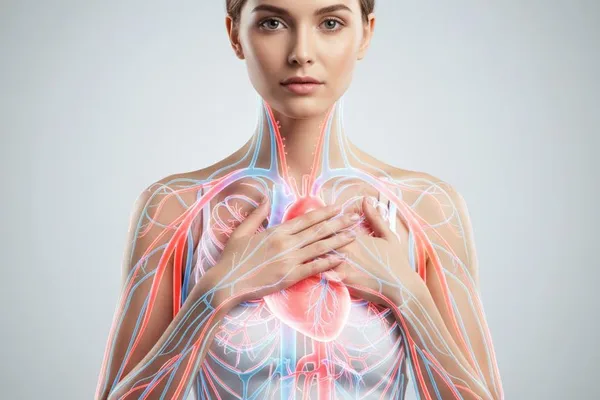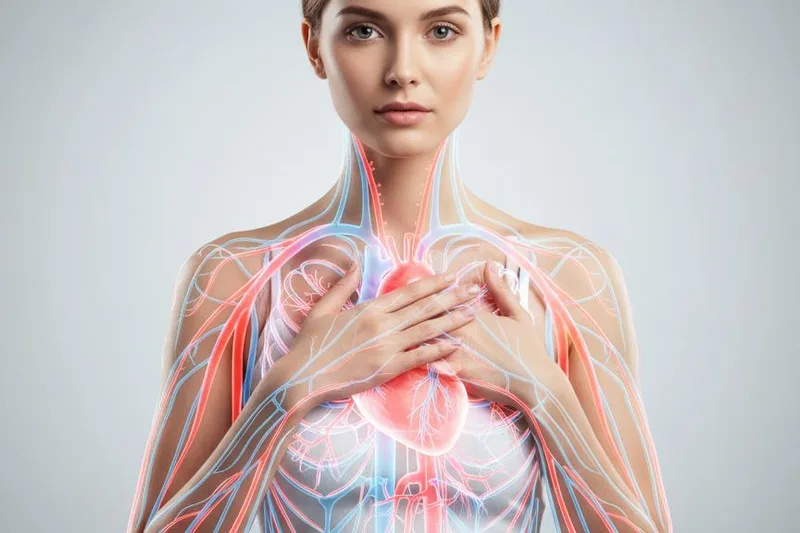
Let's learn about how blood flows in our body? (Circulatory System)

Let's learn about how blood flows in our body? (Circulatory System)

Did you know that there is an amazing system inside your body that is constantly working, whether you are sleeping, working, or playing? It is the circulatory system, which gives life to our bodies and carries blood throughout our bodies. Like a water pipe system that supplies water to a city, it delivers the nutrients to every cell in our body and removes the waste products. Let’s talk about this in simple terms.

What is this circulatory system?

Simply put, the circulatory system is the system made up of your heart and blood vessels . Some people also call it the cardiovascular system. Both of these names refer to the same system.

Its main function is to use blood to deliver nutrients to the billions of cells in our body and to remove waste products from those cells. In other words, it is like the transportation system in our body. Your heart acts as a main pump, pumping blood throughout the body through this network of blood vessels. This blood supplies our muscles , tissues, and organs with oxygen and nutrients . It also carries away waste products, such as carbon dioxide , that are produced in these organs and delivers them to organs that can remove them from the body.

What are the main functions of this system?

There are three main functions performed by this system.

  • Pumping blood throughout the body: Our heart beats day and night, even when we are sleeping, and it does this job.
  • Delivering essentials: Delivering oxygen and nutrients to our organs, muscles, and tissues.
  • Removing unnecessary things: Collects and removes waste products such as carbon dioxide from the body.

Think of it like a never-ending journey. Blood, which starts in the heart, travels through large blood vessels (arteries) to our organs. There, a network of very fine blood vessels, called capillaries, delivers oxygen and nutrients to the cells and collects waste products from those cells. Then, the blood with those waste products returns to the heart through another type of blood vessel (veins). From the heart, the blood is sent to the lungs, where it is re-oxygenated and returns to the heart, starting a new journey. This process happens every second that your heart beats.

Did you know? Your heart pumps more than 7,500 liters of blood throughout your body every day. This amount increases even more when you exercise.

This system gives high priority to providing blood supply to the brain and heart of our body. Because if the blood supply to the brain stops, you can lose consciousness within seconds. If blood flow stops for more than four minutes, the brain can be damaged. Similarly, if the heart itself does not get the blood it needs, it cannot do its job of pumping properly.

How does this circulatory system work?

This entire process takes place with the heart, lungs, and blood vessels working together. Let's see how this happens step by step.

1. First, the right ventricle of your heart pumps oxygen-poor blood to your lungs. This blood travels through the main pulmonary artery, the Pulmonary Artery.

2. Inside the lungs, the carbon dioxide in this blood is exhaled and replaced with oxygen from the air we breathe.

3. This blood, now full of oxygen, returns to the left atrium of the heart through the pulmonary veins .

4. From the left atrium, this oxygen-rich blood is sent to the left ventricle, which is the main and strongest part of the heart.

5. The left ventricle contracts strongly and pumps this oxygen-rich blood into the arteries to distribute it throughout the body.

6. In this way, the blood that circulates throughout the body supplies oxygen and nutrients to the organs and tissues, and collects the waste products there.

7. This blood (deoxygenated blood) that has collected waste products and carbon dioxide returns to the heart through veins.

8. The heart pumps this blood back to the lungs to fill them with oxygen. When we breathe out, this carbon dioxide is released.

This cycle is what happens constantly. The process of blood going to the lungs and picking up oxygen and returning to the heart is called pulmonary circulation . Similarly, the process of carrying oxygenated blood from the heart to the rest of the body is called systemic circulation .

What are the main parts of the circulatory system?

As we mentioned earlier, there are four main parts to this system. Each of them has a specific function. To understand this more easily, let's look at this table.

PartFunction & Description
Heart This is the main pump of the system. This muscular organ is what pumps blood throughout the body. It is the only organ in the circulatory system. (The lungs belong to the respiratory system.)
Arteries These are the veins that carry oxygenated blood from the heart to the rest of the body. The largest artery in our body is the aorta . These gradually divide into smaller branches, which we call arterioles .
Veins These veins carry oxygen-poor, waste-laden blood back to the heart from all parts of the body. They start out small (venules) and get larger as they get closer to the heart. The veins in the legs even have valves that stop blood from flowing backward.
Capillaries These are the smallest blood vessels in our body. They connect very small arteries (Arterioles) and veins (Venules) . Because their walls are so thin, oxygen, carbon dioxide, nutrients, and waste products can easily enter and leave the cells.

What are the common diseases that affect this system?

Many problems in our circulatory system are related to blockages or decreased function of blood vessels. Blood vessels are what supply oxygen to the entire body, so if there is a blockage anywhere, that oxygen supply is disrupted.

Below are some common conditions that affect this system.

  • High blood pressure : Increased pressure exerted on the walls of blood vessels as blood moves through them.
  • High cholesterol: High levels of fat in the blood can deposit inside the blood vessels and block them.
  • Heartbeat abnormalities (Arrhythmia):Irregular heart rate or rhythm.
  • Heart attack: Damage to the heart muscle due to blockage of an artery that supplies blood to the heart.
  • Heart valve problems: Heart valves not working properly.
  • Heart failure: The heart muscle becomes weak and unable to pump enough blood to the body.
  • Aneurysm: A weakening of the wall of a blood vessel, causing it to bulge like a balloon. This is most common in the brain or aorta.
  • Stroke: A blockage or bursting of a blood vessel supplying blood to the brain.
  • Atherosclerosis: The narrowing of the blood vessels due to the deposition of cholesterol and other substances in the artery walls.
  • Vascular diseases: Diseases such as deep vein thrombosis.

How do we keep our circulatory system healthy?

There are many things you can do to keep your heart and blood vessels healthy. These are simple things you can add to your lifestyle.

  • Exercise regularly. Try to get at least 150 minutes of exercise a week. Brisk walking, running, or cycling are good options.
  • Get good sleep. It is very important to get enough sleep every night.
  • Control high blood pressure. If you have high blood pressure, follow your doctor's instructions and medication exactly.
  • Control your cholesterol levels. Reduce your intake of foods high in oil and fat to control your cholesterol levels.
  • Avoid tobacco products completely. Smoking is very harmful to the heart and blood vessels.
  • Eat a heart-healthy diet. Eat more fiber, vegetables, and fruits. Reduce foods high in saturated fats.
  • Maintain a healthy weight. Maintaining a healthy weight for your height is very important.
  • Control your blood sugar levels. If you have diabetes, control it well.
  • Reduce stress. Things like meditation, yoga, and hobbies can help reduce stress.

To learn more about this, and to discuss what is best for you , see your doctor . He or she will be able to guide you better.

Two frequently asked questions

Are there two types of blood, red blood and blue blood?

No. Every drop of blood in our bodies is red.. Blood gets its red color from a protein called hemoglobin in red blood cells. But oxygenated blood is a deep red, while deoxygenated blood is a lighter, purplish red. The veins under our skin appear blue because of the way light travels through the layers of the skin. But inside those veins is red blood.

Does the arteries always carry oxygenated blood?

Most of the time, yes. But there is one special exception. That is the Pulmonary Artery . It carries oxygen-poor blood from the heart to the lungs. Similarly, the Pulmonary Vein carries oxygen-rich blood from the lungs to the heart. This is a special case where the process goes the other way around.

Take-Home Message

  • Your heart and blood vessels are a vital system that keeps you alive and working constantly.
  • This system is what provides every cell in your body with the oxygen and nutrients it needs.
  • A healthy lifestyle (good diet, exercise, and avoiding smoking) is very important to protect this system.
  • If you have problems like high blood pressure or cholesterol, it is essential to seek proper treatment from a doctor .
  • Taking care of your heart means taking care of your entire body.

Circulatory System, Cardiovascular System, heart, blood vessels, arteries, veins
⚠️ Important: The medical articles and information on Nirogi Lanka are for general awareness only, and are by no means a substitute for professional medical advice, diagnosis, or treatment. For any medical problem you have, consult a qualified physician immediately.

💬 Comments (0)

No comments have been posted yet. Add your comment here for the first time.

Add your comment

Please calculate: 1 + 4 =
Let's learn about how blood flows in our body? (Circulatory System)
How the Body WorksNovember 27, 2025

Let's learn about how blood flows in our body? (Circulatory System)

Did you know that there is an amazing system inside your body that is constantly working, whether you are sleeping, working, or playing? It is the circulatory system, which gives life to our bodies and carries blood throughout our bodies. Like a water pipe system that supplies water to a city, it delivers the nutrients to every cell in our body and removes the waste products. Let’s talk about this in simple terms.

What is this circulatory system?

Simply put, the circulatory system is the system made up of your heart and blood vessels . Some people also call it the cardiovascular system. Both of these names refer to the same system.

Its main function is to use blood to deliver nutrients to the billions of cells in our body and to remove waste products from those cells. In other words, it is like the transportation system in our body. Your heart acts as a main pump, pumping blood throughout the body through this network of blood vessels. This blood supplies our muscles , tissues, and organs with oxygen and nutrients . It also carries away waste products, such as carbon dioxide , that are produced in these organs and delivers them to organs that can remove them from the body.

What are the main functions of this system?

There are three main functions performed by this system.

  • Pumping blood throughout the body: Our heart beats day and night, even when we are sleeping, and it does this job.
  • Delivering essentials: Delivering oxygen and nutrients to our organs, muscles, and tissues.
  • Removing unnecessary things: Collects and removes waste products such as carbon dioxide from the body.

Think of it like a never-ending journey. Blood, which starts in the heart, travels through large blood vessels (arteries) to our organs. There, a network of very fine blood vessels, called capillaries, delivers oxygen and nutrients to the cells and collects waste products from those cells. Then, the blood with those waste products returns to the heart through another type of blood vessel (veins). From the heart, the blood is sent to the lungs, where it is re-oxygenated and returns to the heart, starting a new journey. This process happens every second that your heart beats.

Did you know? Your heart pumps more than 7,500 liters of blood throughout your body every day. This amount increases even more when you exercise.

This system gives high priority to providing blood supply to the brain and heart of our body. Because if the blood supply to the brain stops, you can lose consciousness within seconds. If blood flow stops for more than four minutes, the brain can be damaged. Similarly, if the heart itself does not get the blood it needs, it cannot do its job of pumping properly.

How does this circulatory system work?

This entire process takes place with the heart, lungs, and blood vessels working together. Let's see how this happens step by step.

1. First, the right ventricle of your heart pumps oxygen-poor blood to your lungs. This blood travels through the main pulmonary artery, the Pulmonary Artery.

2. Inside the lungs, the carbon dioxide in this blood is exhaled and replaced with oxygen from the air we breathe.

3. This blood, now full of oxygen, returns to the left atrium of the heart through the pulmonary veins .

4. From the left atrium, this oxygen-rich blood is sent to the left ventricle, which is the main and strongest part of the heart.

5. The left ventricle contracts strongly and pumps this oxygen-rich blood into the arteries to distribute it throughout the body.

6. In this way, the blood that circulates throughout the body supplies oxygen and nutrients to the organs and tissues, and collects the waste products there.

7. This blood (deoxygenated blood) that has collected waste products and carbon dioxide returns to the heart through veins.

8. The heart pumps this blood back to the lungs to fill them with oxygen. When we breathe out, this carbon dioxide is released.

This cycle is what happens constantly. The process of blood going to the lungs and picking up oxygen and returning to the heart is called pulmonary circulation . Similarly, the process of carrying oxygenated blood from the heart to the rest of the body is called systemic circulation .

What are the main parts of the circulatory system?

As we mentioned earlier, there are four main parts to this system. Each of them has a specific function. To understand this more easily, let's look at this table.

PartFunction & Description
Heart This is the main pump of the system. This muscular organ is what pumps blood throughout the body. It is the only organ in the circulatory system. (The lungs belong to the respiratory system.)
Arteries These are the veins that carry oxygenated blood from the heart to the rest of the body. The largest artery in our body is the aorta . These gradually divide into smaller branches, which we call arterioles .
Veins These veins carry oxygen-poor, waste-laden blood back to the heart from all parts of the body. They start out small (venules) and get larger as they get closer to the heart. The veins in the legs even have valves that stop blood from flowing backward.
Capillaries These are the smallest blood vessels in our body. They connect very small arteries (Arterioles) and veins (Venules) . Because their walls are so thin, oxygen, carbon dioxide, nutrients, and waste products can easily enter and leave the cells.

What are the common diseases that affect this system?

Many problems in our circulatory system are related to blockages or decreased function of blood vessels. Blood vessels are what supply oxygen to the entire body, so if there is a blockage anywhere, that oxygen supply is disrupted.

Below are some common conditions that affect this system.

  • High blood pressure : Increased pressure exerted on the walls of blood vessels as blood moves through them.
  • High cholesterol: High levels of fat in the blood can deposit inside the blood vessels and block them.
  • Heartbeat abnormalities (Arrhythmia):Irregular heart rate or rhythm.
  • Heart attack: Damage to the heart muscle due to blockage of an artery that supplies blood to the heart.
  • Heart valve problems: Heart valves not working properly.
  • Heart failure: The heart muscle becomes weak and unable to pump enough blood to the body.
  • Aneurysm: A weakening of the wall of a blood vessel, causing it to bulge like a balloon. This is most common in the brain or aorta.
  • Stroke: A blockage or bursting of a blood vessel supplying blood to the brain.
  • Atherosclerosis: The narrowing of the blood vessels due to the deposition of cholesterol and other substances in the artery walls.
  • Vascular diseases: Diseases such as deep vein thrombosis.

How do we keep our circulatory system healthy?

There are many things you can do to keep your heart and blood vessels healthy. These are simple things you can add to your lifestyle.

  • Exercise regularly. Try to get at least 150 minutes of exercise a week. Brisk walking, running, or cycling are good options.
  • Get good sleep. It is very important to get enough sleep every night.
  • Control high blood pressure. If you have high blood pressure, follow your doctor's instructions and medication exactly.
  • Control your cholesterol levels. Reduce your intake of foods high in oil and fat to control your cholesterol levels.
  • Avoid tobacco products completely. Smoking is very harmful to the heart and blood vessels.
  • Eat a heart-healthy diet. Eat more fiber, vegetables, and fruits. Reduce foods high in saturated fats.
  • Maintain a healthy weight. Maintaining a healthy weight for your height is very important.
  • Control your blood sugar levels. If you have diabetes, control it well.
  • Reduce stress. Things like meditation, yoga, and hobbies can help reduce stress.

To learn more about this, and to discuss what is best for you , see your doctor . He or she will be able to guide you better.

Two frequently asked questions

Are there two types of blood, red blood and blue blood?

No. Every drop of blood in our bodies is red.. Blood gets its red color from a protein called hemoglobin in red blood cells. But oxygenated blood is a deep red, while deoxygenated blood is a lighter, purplish red. The veins under our skin appear blue because of the way light travels through the layers of the skin. But inside those veins is red blood.

Does the arteries always carry oxygenated blood?

Most of the time, yes. But there is one special exception. That is the Pulmonary Artery . It carries oxygen-poor blood from the heart to the lungs. Similarly, the Pulmonary Vein carries oxygen-rich blood from the lungs to the heart. This is a special case where the process goes the other way around.

Take-Home Message

  • Your heart and blood vessels are a vital system that keeps you alive and working constantly.
  • This system is what provides every cell in your body with the oxygen and nutrients it needs.
  • A healthy lifestyle (good diet, exercise, and avoiding smoking) is very important to protect this system.
  • If you have problems like high blood pressure or cholesterol, it is essential to seek proper treatment from a doctor .
  • Taking care of your heart means taking care of your entire body.

Circulatory System, Cardiovascular System, heart, blood vessels, arteries, veins
⚠️ Important: The medical articles and information on Nirogi Lanka are for general awareness only, and are by no means a substitute for professional medical advice, diagnosis, or treatment. For any medical problem you have, consult a qualified physician immediately.

💬 Comments (0)

No comments have been posted yet. Add your comment here for the first time.

Add your comment

Please calculate: 1 + 4 =