
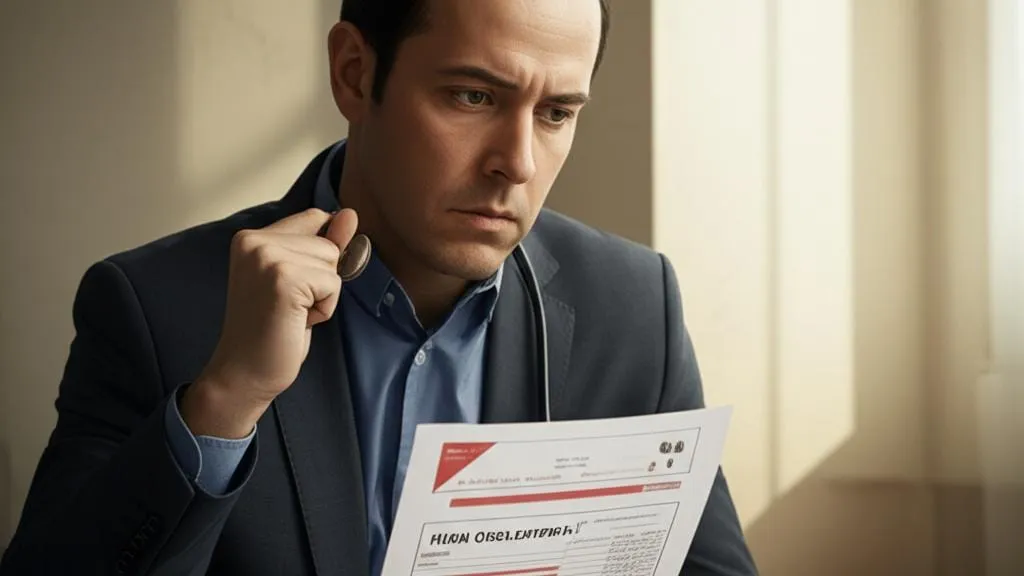
We all hear the word cholesterol often. Sometimes a friend or relative of ours says, "Oh, my cholesterol is a little high." You've probably heard the doctor say, "The doctor said so." So, what exactly is cholesterol? Why is it important for our bodies, and how can it be dangerous? Let's talk about this today in a simple way that you can understand.
Why is this thing called cholesterol so important?
Simply put, cholesterol is a type of fat in our bodies, or more precisely, a type of lipid. This cholesterol helps in many important functions in our bodies, such as building cells and producing certain hormones. However, like anything, problems arise when it becomes too much in the body.
Think of our blood vessels as pipes that carry water. When cholesterol levels increase, this extra cholesterol slowly builds up inside the walls of our blood vessels. There, it builds up and, over time, thickens, forming a thick layer called atherosclerotic plaque.'' This is what doctors call atherosclerosis.''
When these deposits form inside the blood vessels, the blood flow becomes blocked. It's like dirt getting stuck in a water pipe. This can be very serious. Diseases can occur. Here are a few examples:
- Coronary artery disease: This occurs when the arteries that supply blood to the heart become blocked. This prevents the heart from getting the oxygen and nutrients it needs.
- Peripheral artery disease: This is when the arteries that carry blood to the legs and arms become blocked.
- Carotid artery disease ( Carotid Artery Disease ): This can cause blockage of the main artery that carries blood to the brain.
Cholesterol is a sneaky scumbag!
This is the most dangerous thing about cholesterol. Even if your cholesterol levels are very high and you have started to build up deposits in your blood vessels, most of the time you don't feel any symptoms . It's like someone sneaking their fingertips across a carpet, and at first there's no sound or pressure.
But, over time, when these deposits become large and blood vessels become blocked, like the sound of high-heeled shoes on a wooden floor, problems can suddenly arise. This means you may not know that your cholesterol is high until you have a serious condition, such as a heart attack or stroke.
Imagine, for years, you have been Even if your cholesterol levels are high, you may not be aware of it. That's why it's so important to get your cholesterol levels checked regularly . If you find out that you have high cholesterol (Hyperlipidemia), it can be a big warning sign for you and your doctor.
Many people have high cholesterol, and it's a major risk factor for heart disease. But the good news is that you don't have to live with your cholesterol levels forever. You can change them . If you recognize high cholesterol early, you have a better chance of achieving good cholesterol levels by making lifestyle and dietary changes.
Let's see what these types of cholesterol are that are checked.
When you go to see a doctor, if they ask you to check your cholesterol levels, they will do a blood test called a Lipid panel or Lipid profile. This involves taking a small amount of blood from a vein in your arm and sending it to a lab. Before doing this test, the doctor will tell you to fast for about 12 hours (except water). You should follow these instructions exactly.
There are several main types of cholesterol that are tested in this test:
- Total cholesterol: This is the total amount of cholesterol in your blood.
- LDL (Low-Density Lipoprotein): This is called "bad" cholesterol . Because it is the one that gets deposited in the blood vessels and contributes to things like heart attacks and strokes.
- HDL (High-Density Lipoprotein): This is called "good" cholesterol because it helps remove unwanted cholesterol from the body.
- Triglycerides: This is another type of fat found in the blood. If this level increases, it increases the risk of heart attack and stroke.
When your report arrives, your doctor will explain it to you. You may even be able to view it online. Cholesterol is measured in units called mg/dL (milligrams per deciliter). Triglycerides are measured in the same way.
So, what should healthy cholesterol levels be?
Healthy cholesterol levels can vary slightly from person to person. This means they can vary slightly depending on things like your age, race, and gender.
Generally, it is good for a healthy adult to have cholesterol levels within these ranges:
- Total Cholesterol: A level below 200 mg/dL is best.
- LDL (bad cholesterol): It's best to keep it below 100 mg/dL. However, if you have heart disease or multiple risk factors for heart disease (e.g., diabetes, high blood pressure, smoking), your doctor may recommend that you lower your LDL level to below 70 mg/dL.
- HDL (good cholesterol): The higher this is, the better . If it is above 60 mg/dL, it helps protect against heart disease.
- Triglycerides: The goal is to keep them below 150 mg/dL.
The most important thing is that your LDL level should decrease and your HDL level should increase .
There is a slight difference between genders in HDL levels. Adult women should have an HDL level of at least 50 mg/dL. Men should have an HDL level of at least 40 mg/dL.
So, compare the values in your report with these normal levels. But, never make decisions on your own . Talk to your doctor and understand exactly how these values apply to your situation.
At what level is cholesterol "high"?
Generally, a total cholesterol level of 200 mg/dL or higher is considered "high." However, doctors divide this into other categories, such as "borderline high" (between 200 and 239 mg/dL). This is done to see if lifestyle changes can help control it before starting treatment.
For example, your LDL (bad cholesterol) level:
- If it is between 130-159 mg/dL, it may fall into the "just high" range.
- "High" is between 160-189 mg/dL.
- Anything above 190 mg/dL is "very high".
If it is at these levels, you should definitely talk to a doctor and get the necessary treatment and advice.
Can cholesterol levels become too low or too high?
This is also a question that many people ask.
- When it comes to your total cholesterol and LDL (bad cholesterol) levels, the lower they are, the better . Researchers have yet to find a threshold for LDL cholesterol that says "you can't go any lower than this." That means no matter how low your LDL is, it's good for your health.
- But the higher the HDL (good cholesterol) level, the better. There is no upper limit that says "it can't go higher than this much".
Simply put,There's nothing to worry about if LDL is too low, and there's nothing to worry about if HDL is too high – both are good signs!
How often should you have your cholesterol checked?
This is also something that varies from person to person. Your doctor is the one who should tell you exactly how often you should get checked. There are several factors that affect this:
- Age: As you get older, you need to get checked more often.
- Family history: If someone in your immediate family (mother, father, siblings) has heart disease, high cholesterol, heart attack, or stroke, you are also at higher risk. Then you should get checked more often.
- Heart disease risk factors: If you already have heart disease, or if you have risk factors such as diabetes, high blood pressure, smoking, or obesity, you should get checked regularly.
- Gender: Men are generally advised to get regular checkups from a younger age.
Children usually have their cholesterol checked for the first time between the ages of 9 and 11. Then, about every 5 years. However, if someone in the family has had cholesterol problems or heart disease at a young age, the doctor may recommend that the child's cholesterol be checked at an even younger age.
The general advice given to adults is as follows:
- If you are a healthy person between the ages of 20-39 , you should probably get checked every 4-6 years.
- After the age of 40-45 , it's a good idea to get checked more frequently (maybe once a year or two), especially if you have the risk factors mentioned above.
- Women , especially after menopause, need to pay more attention to their cholesterol levels.
However, the best thing to do is talk to your doctor and ask how often you should get checked, which is right for you.
💡 Finally, the most important things to remember (Take-Home Message)
Knowing your cholesterol levels can help you understand your risk for heart disease. But remember, these cholesterol values only tell one part of the story . Your doctor will also look at other aspects of your health (such as blood pressure, sugar levels, weight, and lifestyle) to determine your overall risk.
So, if your cholesterol report values are outside the normal range, don't panic right away .
Talk to your doctor to understand exactly how those values fit into your overall health and what you need to do. If necessary, lifestyle changes (a healthy diet, exercise) and possibly medication can help bring your cholesterol levels back to a healthy range. The most important thing is to stay focused on this and follow your doctor's advice.
Cholesterol, heart disease, LDL cholesterol, HDL cholesterol, triglycerides, blood test, healthy living






Janiw kuna arsuwinakas jichhakamax uñt’ayatäkiti. Aka chiqanx amuyt’awim jan ukax jiskt’awim yapxatañamawa.