
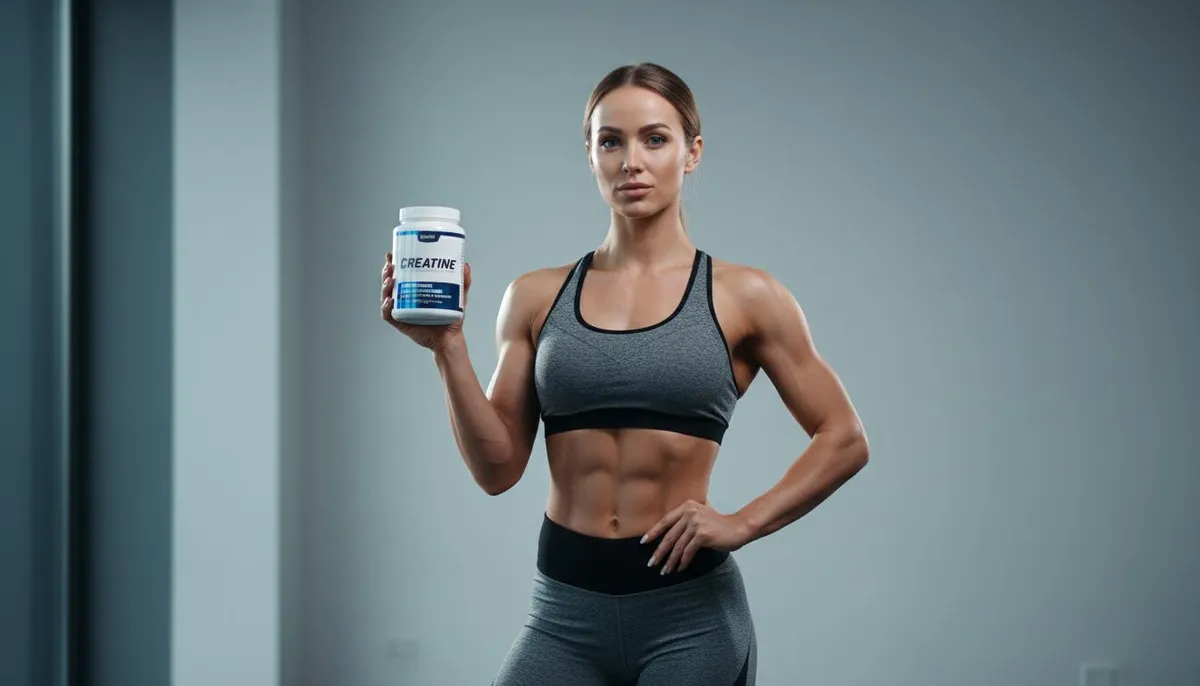
If you go to the gym or play sports, you've probably heard the name "Creatine." Maybe your friends are using it. Many people think that this is some kind of artificial substance that is supposed to make muscles bigger. But creatine is actually something that our bodies produce naturally and gives us energy. So today, let's talk about what creatine is, is it good for the body to take as a supplement, what happens to it, and what you need to know before using it.
Simply put, what is creatine?
Think of your muscles as a vehicle. This vehicle needs fuel to run. Similarly, our muscles need energy to work, especially when we exercise. Creatine is a natural fuel source that provides our muscles with instant energy. It's like a power bank for your phone. It helps our muscles work continuously, without tiring.
We get about half of the creatine our body needs from the foods we eat, especially foods rich in protein.
- Red meat: like beef and pork.
- Seafood: Things like fish and shellfish.
- Animal milk: Like cow's milk and goat's milk.
The other half is produced within our bodies, specifically by our liver, kidneys, and pancreas. 95% of this creatine goes to our skeletal muscles. The rest goes to the heart, brain, and other tissues.
In addition to these natural methods, there are synthetic creatine supplements. These are used by people who exercise a lot or who do not get enough creatine from their diet. These can be taken as powders, tablets, capsules, and liquids.
Is it really safe to take creatine as a supplement?
This is a question that many people have. Research has shown that taking creatine in the right dosage is generally safe for healthy adults. However, there are some situations where it is not appropriate to take it at all .
The most important thing is that before you start using a creatine supplement for any reason, you should definitely talk to your doctor and seek advice.
Taking creatine may be risky if you have the following conditions:
- If you are pregnant or breastfeeding.
- If you have diabetes.
- If you have kidney disease.
- If you have liver disease.
- If you have a mental illness such as bipolar disorder, creatine may worsen symptoms.
Therefore, don't use these products based on what others say or what the gym says. First, see a doctor and make sure that this is suitable for your body.
Does creatine really build muscle?
This depends on your age and the type of exercise you do. Studies show that young people between the ages of 18 and 30 who regularly do weightlifting, such as taking creatine, can help them build muscle.
However, there is not yet enough evidence to say whether creatine has the same effect on people over the age of 65 or those with diseases that weaken muscles.
So how does creatine work inside the body?
It's simple: When we take creatine, it goes into our muscles and helps them produce an energy molecule called ATP (Adenosine Triphosphate). ATP is the instant energy source in our cells. It's like the battery that powers a car's engine. This ATP is used when you need instant energy, like when you lift weights or run fast. What creatine does is to keep this ATP supply from running out too quickly.
In addition to this, creatine has several other benefits:
- Muscle Recovery: When we exercise, our muscle fibers are damaged. When these are rebuilt, our muscles grow. Creatine helps to repair this damage quickly .
- Increase in Anabolic Hormones: These are hormones that help the body grow and repair tissues. Examples include insulin and testosterone.
- Helping with brain function: Some research shows that creatine may also help improve short-term memory and reasoning skills in older people.
What are the benefits and side effects of using creatine?
Like anything, creatine has both good and bad sides. Let's see these clearly in a table.
| Pros | Cons / Side Effects |
|---|---|
| Increased performance and strength during exercise. | Weight gain due to water retention in the body. |
| Helps in muscle growth. | Headache and dizziness. |
| Quick recovery after exercise. | Nausea and vomiting. |
| Reducing dehydration and muscle wasting. | Stomach ache and diarrhea. |
| It can help brain function in the elderly to some extent. | Excessive sweating. |
Not everyone gets these side effects. Also, if you experience one or more of these, you may be able to manage them by reducing the dose you take and spreading it out throughout the day. But it's best to talk to your doctor right away.
What happens if you stop using creatine?
When you stop taking creatine, your body's creatine levels will gradually return to normal over a few weeks. Your body will continue to produce creatine naturally. However, you may notice some minor changes.
- Feeling tired (Fatigue)
- Some reduction in muscle size
- Slight weight loss
- Feeling a loss of previous strength during exercise
But if you continue to exercise well, you can maintain the strength and muscle mass you've built up over time without much change.
💡 Take-Home Message
- Creatine is a naturally occurring energy source in our bodies. It is not a synthetic steroid.
- It can help build strength and muscle mass, especially in young people, during exercises that require immediate energy, such as weightlifting.
- The most researched and effective type is Creatine Monohydrate .
- The most important thing:Before you start using a creatine supplement, be sure to consult a doctor to see if it's right for you and to find out the correct dosage. It's very risky to take these if you have kidney, liver, or diabetes problems.
- When taking creatine, drink plenty of water throughout the day. It's very important to avoid dehydration.
- If any side effects occur, stop taking it immediately and inform your doctor.






Janiw kuna arsuwinakas jichhakamax uñt’ayatäkiti. Aka chiqanx amuyt’awim jan ukax jiskt’awim yapxatañamawa.