

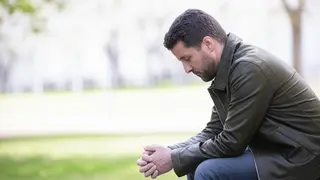
It is very normal to feel pain and sadness when we lose someone we love, or perhaps something valuable to us. It is actually nature. We all face such experiences at some point in our lives. But... if this sadness starts to control your life, and you feel like you are bored with everything, that you can't do anything, and that you have no value in yourself, then it may be something a little more than normal sadness. That is when we need to talk about the difference between this normal sadness (Grief) and depression ).
PHQ-9 depresión uñakipaña. Mä herramienta validada 9 jiskt’awinakampi sintoma depresivo ukanaka uñakipañataki. Sapa kutiw qullirir jisktʼasiñama, ukhamatwa uka usux kunjamas uk yatiñataki ukat qullañataki.
So what is this grief?
Simply put, grief is a natural response to a death or loss. The grieving process is a time for us to grieve, process, and heal. If you accept your grief, seek support from others, and give yourself time to grieve, it can be easier to heal.
It's not just the loss of a close family member that makes us feel sad and grief-stricken. There can be many other reasons. Just think, even things like these can feel like a big loss to us:
- Being separated from someone you love very much.
- Losing one's previous job, position, or source of income.
- The death or loss of an adopted animal.
- Children growing up and leaving home (Empty Nest Syndrome).
- A major life change, such as a divorce, moving to a new city, or retiring from a job.
Although we all feel this sadness, the way we deal with it, that is, the way we cope with it, differs from person to person. Some people have the mental strength to cope with it well. They learn to live with this sadness without missing their daily activities. However, some people do not get the mental strength or support they need for this. That is when it becomes difficult to overcome this sadness.
How do we respond when we feel sad?
According to psychology, when someone experiences sadness or grief, they go through several key stages to overcome it. This doesn't happen in the same order for everyone, and it can sometimes happen in reverse. But feeling these feelings and accepting them is an important part of the healing process.
| Stage of Grief | What is happening at this time? |
|---|---|
| Denial | Thinking, "No, this can't happen." This is really our mind's way of protecting us from the pain of loss, because we can't handle it all at once. Even when we're working on something like organizing a funeral, we can still feel nothing. It's not "ignoring." |
| Bargaining | Thoughts like, "Oh, if I had done this, I could have saved him" or "If I hadn't done that, this wouldn't have happened." If you can't get out of this situation, excessive guilt or anger can get stuck in your mind and hinder your recovery. |
| Depression Stage | The true gravity of the loss begins to be felt. Symptoms such as insomnia, loss of appetite, fatigue, and constant crying appear. You may feel lonely, empty, and anxious. |
| Anger | It's normal to feel this anger when you feel helpless and helpless. Maybe you're angry with God, with the doctors who treated the person you lost, or with life in general. |
| Acceptance | Over time, we learn to live with this loss. We accept what happened as an experience in our lives. This is when healing begins. |
The important thing is that there are no rules or time frames for this grieving process. The way one heals and the time it takes is completely different from another.
What could be preventing you from overcoming this grief?
Some things can slow down or stop this healing process completely. These include:
- Keeping your emotions (sadness, anger) bottled up inside without expressing them.
- To minimize and evaluate one's own suffering by thinking, "What is this?"
- Trying to avoid sadness by getting lost in work.
- Addiction to drugs and alcohol to escape sadness.
- Trying to be alone, completely away from others.
What things can help us overcome sadness?
If you're feeling sad like this, there are a few simple things that can help you get through it.
- Accept all feelings, good and bad. Let yourself feel the sadness, the anger, the happy memories.
- Talk to someone you trust about this. It could be a friend or family member. You'll feel a lot of relief when you get your feelings out there.
- Write down your feelings. Writing down your feelings in a diary is also a good way to do this.
- Remember that crying is a great way to relieve stress. Crying is not a sign of weakness.
- Join support groups with people who have had similar experiences. Talking to people who are going through the same pain as you will help you feel less alone.
- If you can't control your emotions, seek professional help. Don't be ashamed of this at all. Talking to your doctor is the best thing to do.
What will you do if this sadness continues?
Sometimes, this grief can persist for months and become so severe that it can cripple your entire life. If you experience sleeplessness, a complete loss of appetite, weight loss, and even suicidal thoughts, it can be a condition that goes beyond normal grief. In medical terms, this is called complicated bereavement .
Remember, normal sadness will subside over time. But major depression is a medical condition that requires treatment. It is different from normal sadness.
See this table to clearly understand the difference between the two.
| Characteristic | Normal Grief • Major Depression |
|---|---|
| Feelings | Normal Grief: Grief comes in waves. Sometimes it feels good, sometimes it suddenly gets worse. You can also be happy with good memories. Major Depression: Sadness and emptiness last for most of the day, for weeks on end. Nothing makes you happy. |
| Self-Esteem | Normal Grief: Even if you are sad, you don't usually feel worthless. Major Depression: You constantly feel worthless, helpless, and guilty. |
| Thoughts about death | Normal Grief: You may wish you could have been reunited with the person you lost. That is, the sadness you feel for that person. Major Depression: They feel like they should end their lives because their lives are meaningless and worthless. |
If you or someone you know has these symptoms, please see your doctor as soon as possible. Depression is a condition that can be completely cured with treatment.
💡 Take-Home Message
- Grief or sadness after a loss is a very normal and natural thing. Don't be ashamed of it.
- Everyone grieves differently and takes different amounts of time. Allow yourself to heal in your own unique way.
- If your sadness does not subside over time, reaching a point where it disrupts your life and makes you feel worthless, it may be a sign of depression.
- Depression is not a weakness, but a medical condition that requires treatment.
- Never hesitate to talk about your feelings with someone you trust or your doctor. Asking for help is a sign of strength.





Janiw kuna arsuwinakas jichhakamax uñt’ayatäkiti. Aka chiqanx amuyt’awim jan ukax jiskt’awim yapxatañamawa.