
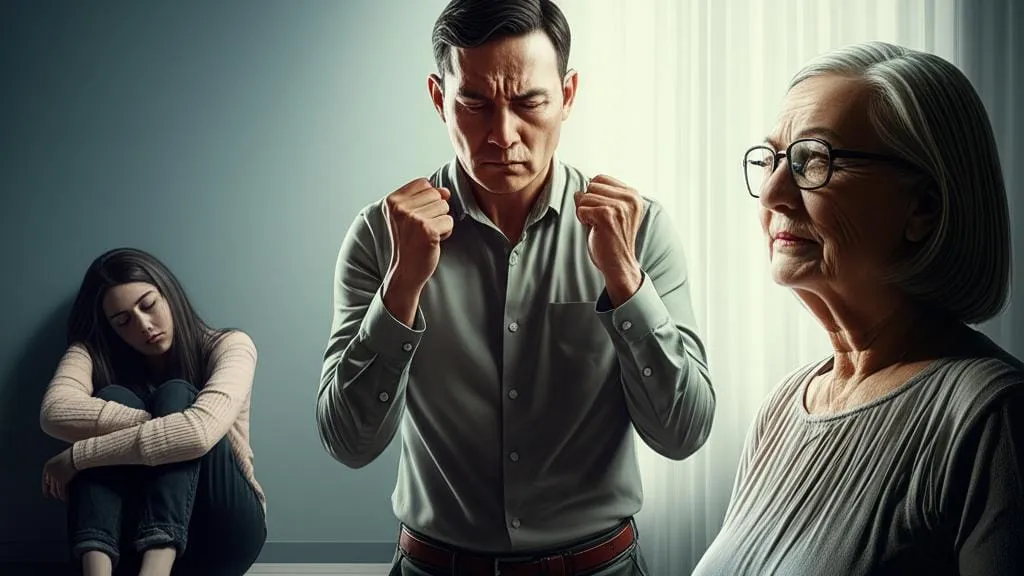
Do you think that depression affects everyone the same way? Not really. It's like the common cold caused by the same virus, but it affects everyone differently. Men, women, and the elderly can experience depression differently, and the symptoms can manifest themselves in many different ways. Sometimes, there are even cases of depression that don't respond to medication. So, it's important for you and your loved ones to understand this.
PHQ-9 depresión uñakipaña. Mä herramienta validada 9 jiskt’awinakampi sintoma depresivo ukanaka uñakipañataki. Sapa kutiw qullirir jisktʼasiñama, ukhamatwa uka usux kunjamas uk yatiñataki ukat qullañataki.
First of all, what is depression?
Depression is not just a feeling of sadness or boredom. It is a much deeper, more serious mental illness . To be precise, it is a condition that affects a person's mood over a long period of time. It can lead to unbearable sadness, hopelessness, helplessness, and feelings of worthlessness.
This condition can come in varying degrees. For some people, it is mild to moderate. For others, it can be a life-long major depression.
The most important thing is to understand that depression is not a weakness, but an illness that needs to be treated.
Let's take a closer look at the difference between these two.
| Level of depression | Commonly seen symptoms |
|---|---|
| Mild to Moderate Depression | Lack of interest in anything, loss of appetite, difficulty sleeping, low self-esteem, and a constant feeling of tiredness. |
| Major Depression | A very sad mood that lasts most of the day, loss of interest in daily activities, sudden weight loss or gain, insomnia or excessive sleeping (hypersomnia), extreme fatigue, constant feelings of guilt, and thoughts of ending your life. |
How do men get depressed?
There is still a misconception in our society that "depression is a woman's disease." Because of ideas like "men don't cry" and "men need to be strong," many men are reluctant to admit that they have depression or talk about it. But the truth is, millions of men around the world suffer from this disease.
Although men experience similar symptoms of depression to women, the way they present those symptoms is very different.
Common characteristics among men
- Apathy (lack of interest in everything)
- Changes in appetite (eating more at once or not wanting to eat)
- Constant fatigue
- Loss of interest in things you used to enjoy (e.g. sports, hobbies)
- Having low self-esteem
- Sexual problems (loss of desire, performance problems)
- Change in sleep pattern (insomnia or excessive sleepiness)
- Thoughts about ending your life
The most important difference is this: When a woman is depressed, she may be sad, emotional, and cry a lot. But when a man is depressed, he may seem angry, harsh, and often gets into fights. So if your father, brother, husband, or friend suddenly becomes very harsh and angry, consider that it could be a sign of depression.
Is there a difference in how depression affects women?
Yes, absolutely. In fact, women are about twice as likely to develop depression as men. And the way depression affects women is a little different.
- Women are more likely to have depression start at a younger age, last longer, and recur .
- Women's depression is more likely to be associated with stressful life events (e.g., a relationship breakup, job loss).
- Women are more likely to feel guilty when they suffer from depression.
- Women are more likely to experience other mental health problems, such as anxiety disorders, phobic symptoms, and eating disorders, along with depression.
- However, the tendency to turn to alcohol and drugs along with depression is higher among men than women.
Is depression common in the elderly?
Absolutely not! This is where many people make a mistake. Depression is not a normal part of aging. But depression is very common among older people. Unfortunately, very few of them seek treatment.
Imagine, when one of our grandmothers or grandfathers becomes a little more thoughtful, less talkative, and stays indoors, we often think, "Oh... that's old." But it's very possible that it could be a sign of depression.
Why is depression difficult to recognize in the elderly?
- Symptoms of depression can be confused with symptoms of other diseases, such as diabetes and heart disease, that occur in older people.
- Since these symptoms also occur as side effects of the medications taken for those diseases, depression can be avoided.
- Loneliness caused by things like the death of a lifelong partner , loss of friends, and retirement are also reasons for this.
- Because family members, and sometimes even doctors, think, "This is just how it is when you get older," proper treatment is delayed.
So if you notice a change in the behavior or speech of an elderly person in your family, don't just dismiss it as "just the way they get older." It's very important to be concerned about it and talk to a doctor.
Is there a treatment-resistant depression?
Yes, there is such a condition. This is called treatment-resistant depression . Simply put, it is when the symptoms do not improve despite the antidepressants prescribed by the doctor or psychotherapy.
When there is no relief despite using various types of medication and various counseling methods, it is only natural for both the patient and the family to feel great disappointment and despair.
But, never give up hope. If you or someone close to you has this condition, it doesn't mean that everything is over. There are other specific ways to treat these conditions. The most important thing is to work with your doctor and not give up. Then you will be able to find the treatment that suits you best.
💡 Take-Home Message
- Depression is not just sadness, it is a real illness that requires treatment.
- This disease affects men, women, and the elderly differently. Men may be more likely to be angry than sad.
- Don't dismiss a change in an older person's behavior as "just the way they get older." It could be a sign of depression.
- Even if the initial treatments don't work, don't give up hope. There are other treatments available.
- Most importantly: If you or someone close to you has these symptoms, seek medical advice without delay.




Janiw kuna arsuwinakas jichhakamax uñt’ayatäkiti. Aka chiqanx amuyt’awim jan ukax jiskt’awim yapxatañamawa.