

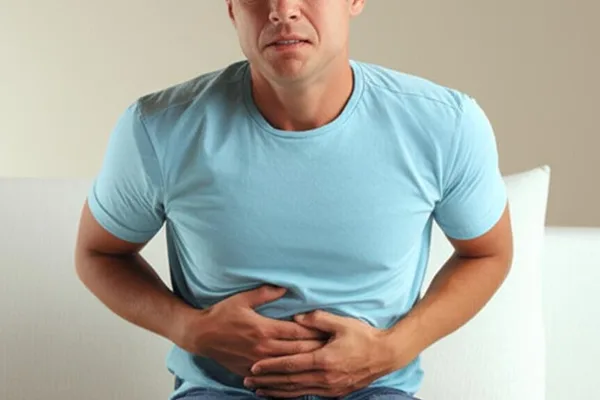
"Oh, I've been running to the toilet since morning... My stomach hurts... My bowel movements are like water..." This is something that we all experience at some point, and it's very uncomfortable. We call it flatulence, diarrhea, or even flatulence. Most of the time, this is nothing to worry about, and it gets better on its own in two or three days. But sometimes, it can be a symptom of a more serious illness. So, let's learn more about diarrhea.
What does this mean, "going through the stomach"?
Simply put, loose stools are when your stools are loose, like water. This is a very common condition. We may experience this condition several times a year.
But there are three main types of this.
| Type of stomach | Description |
|---|---|
| Acute Diarrhea | This is the most common type of cold that affects all of us. It lasts for two to three days at most. It usually goes away without any treatment. |
| Persistent diarrhea | This type can last from two weeks to about a month. |
| Chronic Diarrhea | This has been going on for more than a month, or it has been going on for a while, getting better, and then coming back. This could be a sign of another serious condition, so you should definitely see a doctor. |
Why do we feel hungry? What are the main reasons?
Most of the time, the main cause of a stomach ache is a virus that enters our intestines. Some people also call it "stomach flu." Apart from that, there can be many other causes.
- Food Poisoning: Ingestion of germs such as bacteria.
- Allergies to certain foods: Some people may not be able to tolerate things like dairy products and eggs.
- Some medications: Antibiotics, especially those that cause stomach upset, can cause diarrhea.
- Bowel diseases: Diseases that cause chronic diarrhea, such as Crohn's disease or Ulcerative Colitis.
- IBS (Irritable Bowel Syndrome): This is also a problem with bowel function. Constipation and diarrhea can occur alternately.
- Hyperthyroidism: A condition called hyperthyroidism.
- Some cancer conditions.
What other symptoms do you feel when you have a stomachache?
In addition to bloating, you may experience the following:
- Bloating, feeling of fullness in the stomach
- Stomach pain or nausea
- Vomiting and nausea
- A sudden feeling of needing to go to the toilet (Urgency)
- Sometimes, you may pass a little stool without even realizing it.
When does this become a serious condition? When should you see a doctor?
This is the most important part. A simple stomach ache can be treated at home. But if you have any of the following symptoms, definitely see a doctor immediately.
| When to seek immediate medical advice | |
|---|---|
| Blood or mucus in the stool | If your stools contain blood or are tarry black. |
| Lasting for days | If an adult has diarrhea for more than 2-3 days, or a small child has diarrhea for more than 24 hours. |
| High fever | If you have a fever over 101 Fahrenheit (38.3 Celsius). |
| Severe stomach pain | If you have unbearable stomach pain (especially on the right side). |
| Vomiting | If you are vomiting to the point where you cannot even drink a little water. |
| Symptoms of Dehydration | If you are showing the following signs of dehydration. |
Dehydration is the most serious risk! When you lose weight, your body loses a lot of water and salts. If this is not replaced, dehydration will occur. This is very dangerous for young children and the elderly.
What are the symptoms of dehydration?
- Decreased urination and dark yellow/orange urine
- Dry mouth, lips, skin
- Intense thirst
- Headache
- Heart palpitations
- Anxiety or confusion
If you have these symptoms, go to a hospital's Emergency Treatment Unit (ETU) immediately.
What can you do to stop bloating?
Things you can do at home
Most of the time, diarrhea can be managed at home. The most important thing is to replace the fluids lost from the body.
- Drink plenty of fluids: water, Jeevani, orange juice, salted porridge, fruit juice (low sugar), soups are all good. Don't drink a lot at once, drink little by little throughout the day.
- Rest: Rest is essential for the body.
- BRAT diet: This is a combination of several foods that are very good for digestion.
- Banana
- Rice (rice porridge)
- Applesauce (stewed apples)
- Toast (bread)
- In addition, you can eat things like boiled potatoes, kurakkan porridge, and chicken soup.
- Avoid eating these things: Avoid oily, spicy, and chili-rich foods, milk and dairy products (yogurt, cheese), coffee, alcohol, and carbonated drinks for a few days.
Treatment given by the doctor
When you see a doctor, he or she will diagnose the cause of the illness and prescribe the necessary treatment.
- If the cause is a bacterial infection, antibiotics may be prescribed.
- Probiotics can be recommended to add good bacteria to the body.
- If dehydrated, saline may need to be given.
Important: Do not take over-the-counter painkillers without first consulting your doctor. In some infections, taking over-the-counter painkillers can actually make the infection worse by trapping the germs in your body.
How do you avoid this situation?
- Wash your hands thoroughly: Wash your hands thoroughly with soap and water after using the toilet, before eating, and before preparing food.
- Food safety: Cook food thoroughly. Keep cooked food at the proper temperature. Do not eat stale, spoiled food.
- Drink clean water: If you drink water from outside, be careful about its cleanliness.
- Vaccinations: It is very important to vaccinate young children against the rotavirus, a virus that causes diarrhea.
Take-Home Message
- Diarrhea is very common and usually resolves within a few days.
- The most important thing is to prevent dehydration, so drink plenty of fluids like water and juice.
- If you have warning signs such as blood in your stool, high fever, unbearable stomach pain that lasts more than 2-3 days, see a doctor immediately.
- Stomach ulcers can be largely prevented by paying attention to cleanliness and food safety.




💬 Comments (0)
No comments have been posted yet. Add your comment here for the first time.
Add your comment