

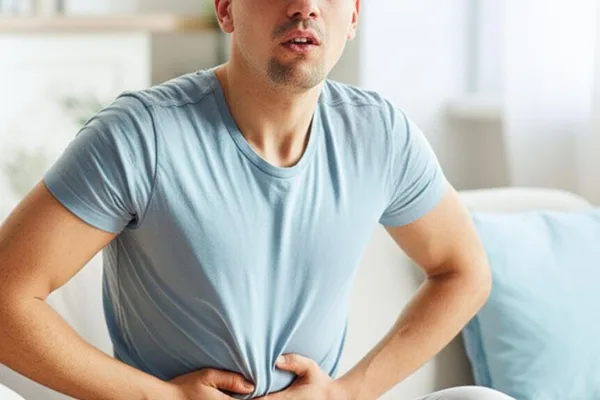
Do you sometimes feel bloated and gassy? Or do you feel like your chest is on fire after eating? We all experience these little digestive problems from time to time. But the good news is that there are simple solutions to many of these annoying conditions. Today, we'll talk about what causes them, how to prevent them, and when to see a doctor.
First, let's see how our digestive system works.
Many people think that digestion only happens in the stomach. But it's actually a long process involving many organs. Think of it like a long pipe system.
This journey begins in our mouth. When we chew food, the saliva in our mouth begins to digest it. When we swallow, this food travels down the esophagus, the tube that leads from the throat to the stomach. The muscles there push the food into the stomach.
Then, the food is further broken down and digested by acids in the stomach. The food then passes into the small intestine. There, juices from organs like the pancreas and gallbladder combine to thoroughly digest the food and absorb the nutrients the body needs. The rest goes into the large intestine. There, water is absorbed, and the remaining waste products are passed out of the body as feces. So, digestive problems can occur at any point along this long journey.
Gas and Bloating
Having a full stomach and feeling bloated can be uncomfortable and sometimes embarrassing. This is normal. A healthy person passes air about 13-21 times a day. In addition to swallowing air when we eat and drink, air is also produced during digestion.
Foods that cause excessive gas in the stomach
You may have noticed that certain foods cause you to produce more gas in your stomach. Here are some of those staple foods.
| Type of food | Examples |
|---|---|
| Fruits | Apples, peaches, pears, prunes |
| Vegetables | Beans, broccoli, cabbage, cauliflower, onions, mushrooms |
| Milk and dairy foods | Milk, cheese, yogurt (for some) |
| Other | Foods made from wheat flour |
What can be done to reduce this discomfort?
- Reduce oily foods .
- Stop drinking sugary drinks (fizzy drinks) .
- Eat and drink slowly .
- If you smoke , stop.
- Avoid chewing gum .
- Exercise regularly .
- Stay away from foods that make you feel uncomfortable.
Sometimes this condition can be a symptom of a medical condition like `Irritable Bowel Syndrome (IBS)`. Therefore, if it persists, it is a good idea to see a doctor.
Heartburn and GERD
Chest pain is a painful burning sensation in the middle of the chest or upper abdomen. This pain can spread to the neck, jaw, or arms.
Simply put, there is a gate-like muscle (Lower Esophageal Sphincter - LES) at the entrance to our stomach. This closes when food goes in. But if this gate doesn't close properly, the harsh acids in the stomach come up, that is, into the esophagus. That's when this inflammation occurs.
Things that increase chest inflammation
- Eating too much.
- Spicy, oily, sour foods.
- Drinking coffee, tea, and alcohol.
- Smoking.
- Reclining after eating.
- Stress.
- Obesity: Excess weight in the stomach can cause stomach acid to rise.
- Pregnancy.
What is GERD?
Everyone gets heartburn from time to time. But if you have heartburn more than twice a week and it's interfering with your daily activities, your doctor may say you have a long-term condition called Gastroesophageal Reflux Disease (GERD). This can damage the esophagus.
Very important: The symptoms of a heart attack can be very similar to those of a heart attack. If you have chest pain, shortness of breath, dizziness, sweating, or pain that radiates to your neck or arm ,Never ignore it. Go to a hospital's Emergency Treatment Unit (ETU) immediately.
Treatment for heartburn and GERD
If lifestyle changes are not enough to control it, your doctor may prescribe medication.
- Antacids: These work quickly and neutralize stomach acids.
- H2 Blockers: These reduce the production of stomach acid.
- Proton-Pump Inhibitors (PPIs): These reduce acid production more effectively than H2 blockers.
You should definitely talk to your doctor before using any of these medications.
Constipation
The frequency of bowel movements varies from person to person. However, if you have difficulty straining when you have a bowel movement, if your stool is hard like a rock, or if you feel like you haven't completely passed out, you may be constipated.
What are the causes of constipation?
- Not drinking enough water .
- Decreased fiber in the diet.
- Lack of exercise.
- Some medications (e.g. iron tablets, some painkillers).
- Pregnancy.
- Certain medical conditions (e.g. diabetes, thyroid problems).
What can be done to prevent and treat constipation?
- Drink at least 8-10 glasses of water a day.
- Eat more fiber-rich foods (fruits, vegetables, whole grains, and legumes).
- Exercise daily.
- Drinking a glass of warm water in the morning helps some people.
If you have constipation for more than two weeks, blood in your stool, severe stomach pain, or weight loss, see a doctor immediately . These could be signs of a serious illness.
Hemorrhoids and diarrhea
Hemorrhoids
These are swollen blood vessels around the rectum and anus. They can be caused by straining due to constipation, pregnancy, and sitting in one place for long periods of time.
- Symptoms: Bleeding during bowel movements, itching, pain, and lumps near the anus.
- Treatment: Eating a high-fiber diet, using stool softeners, gargling with hot water, and using ointments prescribed by your doctor.
Diarrhea
This is characterized by frequent, watery stools. Viruses, bacterial infections, certain medications, and inappropriate foods can be the main causes.
The most important thing is to avoid dehydration . Therefore,
- Drink plenty of fluids (water, broth, porridge, fruit juice).
- Stay away from milk and dairy products, and oily and spicy foods for a few days.
- Eat light foods like bananas, rice, bread, and crackers.
If diarrhea lasts more than two days, has a high fever, severe stomach pain, blood in the stool, or signs of dehydration (dry mouth, decreased urination) are present , be sure to see a doctor .
Take-Home Message
- Listen to your body. Identify and avoid foods that make you uncomfortable.
- A healthy diet and an active lifestyle are the best medicine. Drink enough water every day, eat foods high in fiber, and exercise.
- Occasional minor discomfort is normal. However, if symptoms persist, are severe, or have other risk factors such as blood in the stool or weight loss, don't ignore them .
- Before using any medication, especially if you are taking medication for other conditions, be sure to consult your doctor .




💬 Comments (0)
No comments have been posted yet. Add your comment here for the first time.
Add your comment