
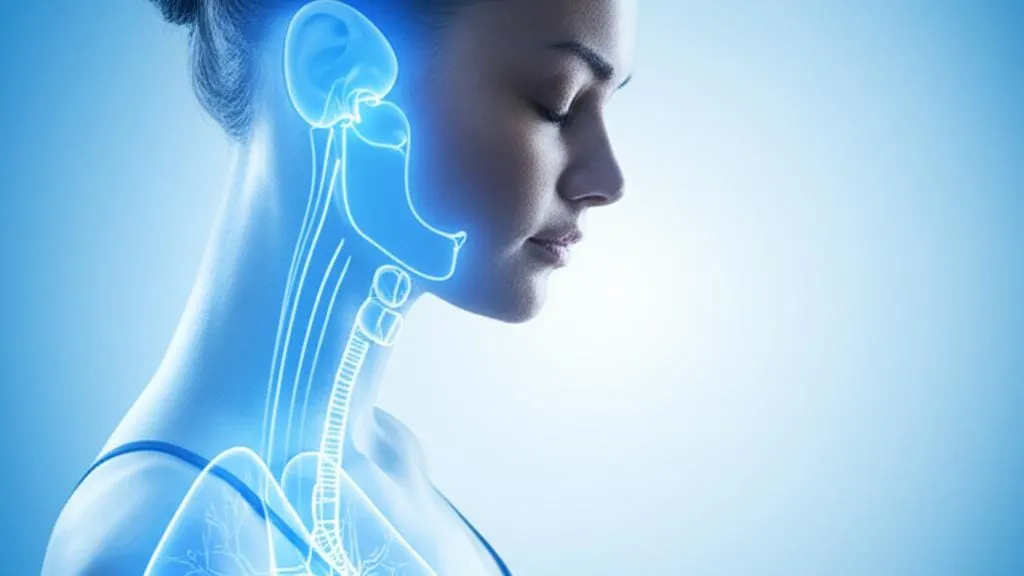
Do you sometimes feel very tired for no reason? Or do you suddenly gain or lose weight? Does your mood fluctuate? Behind many of these things that we can't even imagine are a group of very powerful, but invisible messengers in your body. We call these hormones . So, the entire network that makes these hormones, controls them, and distributes them throughout the body is what we call the Endocrine System . Today, let's talk about this amazing system in simple terms.
What exactly is the endocrine system?
Simply put, the endocrine system is a network of glands in your body that produce chemical messengers called hormones. These hormones enter the bloodstream and travel throughout the body, controlling various cells, organs, and functions.
Think of it like the postal service in our country. The glands write letters (hormones) and send them along the pathways called blood vessels, sending messages to the relevant organs. For example, this system is involved in everything from your growth, sleep, hunger, mood, fertility, and blood sugar levels.
If there is a slight imbalance in this system, whether it is an increase or decrease in hormones, many problems can arise in our body. Therefore, it is very important to be aware of this.
Main parts of the endocrine system and their functions
The glands that produce these hormones are located in various parts of our body. Some are in the brain, others in the neck, chest, and stomach. Let's take a look at what these major glands and organs are and what they do.
| Gland / Organ | Location | Main function |
|---|---|---|
| Hypothalamus | In the brain | It's like the control center of the endocrine system. It's the one that tells the pituitary gland to produce or stop hormones. |
| Pituitary Gland | In the brain | This is called the "Master Gland." It controls many of the other glands in the body. It produces many important hormones, such as Growth Hormone, Prolactin, which stimulates milk production in lactating mothers, and Thyroid Stimulating Hormone (TSH). |
| Pineal Gland | In the brain | It produces the hormone melatonin, which controls our sleep. It is this hormone that helps us fall asleep at night. |
| Thyroid Gland | Front of the neck | It controls the body's metabolism, that is, the rate at which energy is burned. If this hormone is low (Hypothyroidism), it can cause muscle aches, weight gain, and constipation. If it is high (Hyperthyroidism), it can cause increased heart rate, weight loss, and sweating. |
| Parathyroid Glands | Behind the thyroid gland | These are four small glands that help keep bones strong by regulating the levels of calcium and phosphorus in the body. |
| Adrenal Glands | Above the two kidneys | Adrenaline, the "fight or flight" hormone, is produced here. It also produces hormones like cortisol, which controls stress. |
| Pancreas | Behind the stomach | This is an organ that belongs to the digestive system and the endocrine system. It produces hormones called insulin and glucagon, which control blood sugar levels. Diabetes is directly related to this. |
| Ovaries | In the pelvic area of women | Women produce the hormones estrogen and progesterone, which regulate menstruation, breast development, and pregnancy. |
| Testicles (Testes) | In the pelvic area of men | Testosterone is produced, a male hormone. It is essential for the growth of a beard, chest hair during puberty, deepening of the voice, and sperm production. |
Hormonal system problems and symptoms
Various diseases can occur due to decreased or increased activity of this system. You may have heard of some of these.
- Diabetes Mellitus: When the pancreas does not produce enough insulin or the body cannot use insulin properly, blood sugar levels become dangerously high.
- Thyroid Disorders: As we discussed earlier, low (Hypothyroidism) or high (Hyperthyroidism) hormones can greatly affect the functioning of the body.
- Polycystic Ovary Syndrome (PCOS): An imbalance of reproductive hormones in women can cause problems such as irregular menstrual cycles, acne, and unwanted hair growth.
- Osteoporosis: A condition in which bones become weak and break easily when hormones (especially estrogen) that are necessary for bone strength decrease.
- Precocious Puberty: Some children enter puberty earlier than normal (before the age of 8 in girls and 9 in boys) because the glands that control reproductive hormones do not function properly.
When should you see a doctor?
It's normal for our hormonal systems to experience some changes as we age. However, if you continue to experience one or more of the following symptoms, it's important to talk to a doctor about them.
Having these symptoms doesn't necessarily mean you have a serious illness. However, it's wise to find the cause and seek treatment if necessary . So don't be afraid to see your doctor.
- Frequent need to urinate and excessive thirst.
- Sudden weight gain or loss for no reason.
- Constant feeling of extreme fatigue and weakness.
- Sudden rapid heartbeat.
- Excessive sweating.
- Persistent nausea or stomach upset.
- Delayed or early growth or puberty in children.
💡 Take-Home Message
- The endocrine system is a network of glands that produce hormones that communicate messages between cells in our body.
- This system controls almost everything, including your growth, mood, sleep, metabolism, and reproduction.
- Hormonal imbalances can cause various health problems, such as diabetes, thyroid disease, and PCOS.
- A healthy diet, regular exercise, and adequate sleep help keep your endocrine system healthy.
- If you have unexplained symptoms, do not be afraid or delay in seeing your doctor for advice.






Janiw kuna arsuwinakas jichhakamax uñt’ayatäkiti. Aka chiqanx amuyt’awim jan ukax jiskt’awim yapxatañamawa.