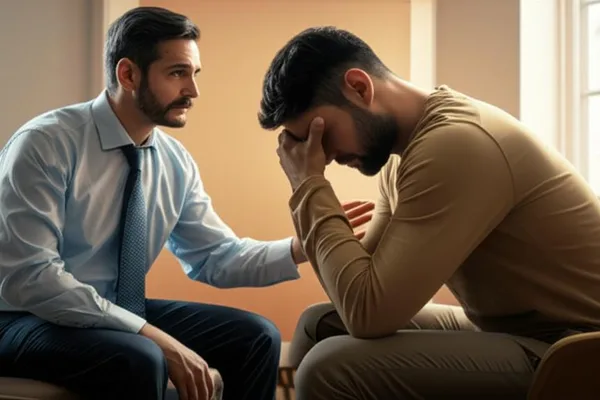
Do you have Major Depressive Disorder? Let's find a specialist who's right for you.

Do you have Major Depressive Disorder? Let's find a specialist who's right for you.

If you've been diagnosed with Major Depressive Disorder (MDD) , it can be overwhelming and even scary. "What do I do now?" and "Will this ever get better?" are probably on your mind. But let me tell you, you're not alone. There are many effective treatments available for this condition. But finding a specialist who is a good fit for you and who listens to your needs is the most important step in getting the most out of your treatment. So today, let's talk about how to find the right partner, a specialist, for you on your journey to recovery.

Who are the specialists who treat depression?

First, let's look at who the specialists are who can help us with this. Your family doctor (General Practitioner - GP) may be able to prescribe medication for your depression. That's a good start. However, you will benefit even more from treatment from someone who has in-depth knowledge of this condition and has received special training for it.

When it comes to treating depression, we mainly come across two types of specialists. They are Psychiatrists and Psychologists . Although both of them help with mental health, there are clear differences in the way they provide services. Let's understand exactly what the difference is.

Specialist Main Role and Qualifications Can I prescribe medication?
Psychiatrist These are doctors who have studied at a medical school and obtained an MBBS degree, and then a specialist degree in psychiatry. They diagnose, treat, and prevent diseases. They care for your mental as well as physical conditions. They use medications, psychotherapy, and other specialized medical treatments (e.g. ECT). Yes, they can.
PsychologistThey are not doctors. They are specialists with advanced degrees in psychology (e.g., a PhD or MSc in Clinical Psychology) and extensive training. Their main treatment method is talk therapy, also known as psychotherapy or talk therapy. They help you understand your thoughts, feelings, and behaviors and help you manage them. No, they cannot prescribe medication.

Simply put, if you think you need medication because of things like chemical imbalances in your brain, a psychiatrist is the right person to talk to. If you want to talk about life issues, relationships, traumatic experiences, and learn ways to manage your emotions, a psychologist can be very helpful.

Importantly, sometimes both of these people need help to get the best results. Talking to a psychologist and taking the medication prescribed by your psychiatrist is a very effective way to strengthen your mental health.

How do you choose a specialist who is right for you?

Okay, now you have an idea of ​​the difference between the two. Now let's see how to find the right one for you. Follow these steps.

1. First understand your needs.

Before seeking treatment, you should ask yourself:

  • "Will I need help with medication? Are my symptoms (insomnia, excessive anxiety, loss of appetite) too severe?"
  • "Can I talk openly about my problems with anyone I want and free my mind?"
  • "Do I need help changing my thought patterns and learning how to deal with problems?"

Based on the answers to these questions, you can get a rough idea of ​​whether you should see a psychiatrist or psychologist first.

2. Do your research.

The best way is to ask your family doctor (GP) for a recommendation. They usually know good, reliable specialists in the area.

In addition, you can:

  • Ask trusted friends or family members . They may have had good experiences.
  • Find out more from the Mental Health Unit of the hospital where you are seeking treatment.
  • Some specialists have websites or social media pages . Check them out to get an idea of ​​their treatment methods.

3. Talk and ask questions.

Before you choose a specialist, there's nothing wrong with calling his or her office and asking about things like this.

  • "Do you have experience treating patients with major depressive disorder (MDD)?"
  • "What are the main treatments you use? (e.g. medication, CBT, talk therapy)"
  • "What can I expect at the first appointment?"

Asking questions like these will help you get a better understanding of the person and make it easier to decide if they are a good fit for your needs.

4. Think about rapport.

This is perhaps the most important thing. You should feel comfortable, confident, and open with the specialist you choose. It is very important that they create an environment where you can say whatever is on your mind without fear of being judged.

After the first couple of meetings, see if you feel like this:

  • "This doctor/lady listens carefully to what I have to say."
  • "I feel comfortable talking to him."
  • "I feel like he's trying to understand me."

If you don't feel that way, there's nothing wrong with considering seeing another specialist. Remember, this is your journey to recovery. You have every right to choose the best partner for you.

Take-Home Message

  • Major Depressive Disorder is a condition that can be completely controlled with treatment. Seeking the right help is the first and most important step.
  • A psychiatrist is a specialist who has a medical degree and can diagnose and prescribe medication .
  • A psychologist is a specialist with an advanced degree in psychology who mainly practices psychotherapy. They cannot prescribe medication.
  • If your symptoms are severe or you think you may need medication, it's a good idea to see a psychiatrist. A psychologist is a good choice if you need to talk through your problems and build your mental strength. Sometimes both may be needed.
  • Ask your family doctor (GP) for a referral. Before choosing a specialist, ask about his or her treatment options.
  • The most important thing is that you feel comfortable, safe, and confident with the person you choose. That connection will be a great strength in your healing journey.

Depression, Major Depressive Disorder, Mental Health, Psychiatrist, Psychologist, Treatment, talk therapy, psychotherapy, Mental Illness
⚠️ Important: The medical articles and information on Nirogi Lanka are for general awareness only, and are by no means a substitute for professional medical advice, diagnosis, or treatment. For any medical problem you have, consult a qualified physician immediately.

💬 Comments (0)

No comments have been posted yet. Add your comment here for the first time.

Add your comment

Please calculate: 8 + 2 =
Do you have Major Depressive Disorder? Let's find a specialist who's right for you.

Do you have Major Depressive Disorder? Let's find a specialist who's right for you.

If you've been diagnosed with Major Depressive Disorder (MDD) , it can be overwhelming and even scary. "What do I do now?" and "Will this ever get better?" are probably on your mind. But let me tell you, you're not alone. There are many effective treatments available for this condition. But finding a specialist who is a good fit for you and who listens to your needs is the most important step in getting the most out of your treatment. So today, let's talk about how to find the right partner, a specialist, for you on your journey to recovery.

Who are the specialists who treat depression?

First, let's look at who the specialists are who can help us with this. Your family doctor (General Practitioner - GP) may be able to prescribe medication for your depression. That's a good start. However, you will benefit even more from treatment from someone who has in-depth knowledge of this condition and has received special training for it.

When it comes to treating depression, we mainly come across two types of specialists. They are Psychiatrists and Psychologists . Although both of them help with mental health, there are clear differences in the way they provide services. Let's understand exactly what the difference is.

Specialist Main Role and Qualifications Can I prescribe medication?
Psychiatrist These are doctors who have studied at a medical school and obtained an MBBS degree, and then a specialist degree in psychiatry. They diagnose, treat, and prevent diseases. They care for your mental as well as physical conditions. They use medications, psychotherapy, and other specialized medical treatments (e.g. ECT). Yes, they can.
PsychologistThey are not doctors. They are specialists with advanced degrees in psychology (e.g., a PhD or MSc in Clinical Psychology) and extensive training. Their main treatment method is talk therapy, also known as psychotherapy or talk therapy. They help you understand your thoughts, feelings, and behaviors and help you manage them. No, they cannot prescribe medication.

Simply put, if you think you need medication because of things like chemical imbalances in your brain, a psychiatrist is the right person to talk to. If you want to talk about life issues, relationships, traumatic experiences, and learn ways to manage your emotions, a psychologist can be very helpful.

Importantly, sometimes both of these people need help to get the best results. Talking to a psychologist and taking the medication prescribed by your psychiatrist is a very effective way to strengthen your mental health.

How do you choose a specialist who is right for you?

Okay, now you have an idea of ​​the difference between the two. Now let's see how to find the right one for you. Follow these steps.

1. First understand your needs.

Before seeking treatment, you should ask yourself:

  • "Will I need help with medication? Are my symptoms (insomnia, excessive anxiety, loss of appetite) too severe?"
  • "Can I talk openly about my problems with anyone I want and free my mind?"
  • "Do I need help changing my thought patterns and learning how to deal with problems?"

Based on the answers to these questions, you can get a rough idea of ​​whether you should see a psychiatrist or psychologist first.

2. Do your research.

The best way is to ask your family doctor (GP) for a recommendation. They usually know good, reliable specialists in the area.

In addition, you can:

  • Ask trusted friends or family members . They may have had good experiences.
  • Find out more from the Mental Health Unit of the hospital where you are seeking treatment.
  • Some specialists have websites or social media pages . Check them out to get an idea of ​​their treatment methods.

3. Talk and ask questions.

Before you choose a specialist, there's nothing wrong with calling his or her office and asking about things like this.

  • "Do you have experience treating patients with major depressive disorder (MDD)?"
  • "What are the main treatments you use? (e.g. medication, CBT, talk therapy)"
  • "What can I expect at the first appointment?"

Asking questions like these will help you get a better understanding of the person and make it easier to decide if they are a good fit for your needs.

4. Think about rapport.

This is perhaps the most important thing. You should feel comfortable, confident, and open with the specialist you choose. It is very important that they create an environment where you can say whatever is on your mind without fear of being judged.

After the first couple of meetings, see if you feel like this:

  • "This doctor/lady listens carefully to what I have to say."
  • "I feel comfortable talking to him."
  • "I feel like he's trying to understand me."

If you don't feel that way, there's nothing wrong with considering seeing another specialist. Remember, this is your journey to recovery. You have every right to choose the best partner for you.

Take-Home Message

  • Major Depressive Disorder is a condition that can be completely controlled with treatment. Seeking the right help is the first and most important step.
  • A psychiatrist is a specialist who has a medical degree and can diagnose and prescribe medication .
  • A psychologist is a specialist with an advanced degree in psychology who mainly practices psychotherapy. They cannot prescribe medication.
  • If your symptoms are severe or you think you may need medication, it's a good idea to see a psychiatrist. A psychologist is a good choice if you need to talk through your problems and build your mental strength. Sometimes both may be needed.
  • Ask your family doctor (GP) for a referral. Before choosing a specialist, ask about his or her treatment options.
  • The most important thing is that you feel comfortable, safe, and confident with the person you choose. That connection will be a great strength in your healing journey.

Depression, Major Depressive Disorder, Mental Health, Psychiatrist, Psychologist, Treatment, talk therapy, psychotherapy, Mental Illness
⚠️ Important: The medical articles and information on Nirogi Lanka are for general awareness only, and are by no means a substitute for professional medical advice, diagnosis, or treatment. For any medical problem you have, consult a qualified physician immediately.

💬 Comments (0)

No comments have been posted yet. Add your comment here for the first time.

Add your comment

Please calculate: 8 + 2 =