
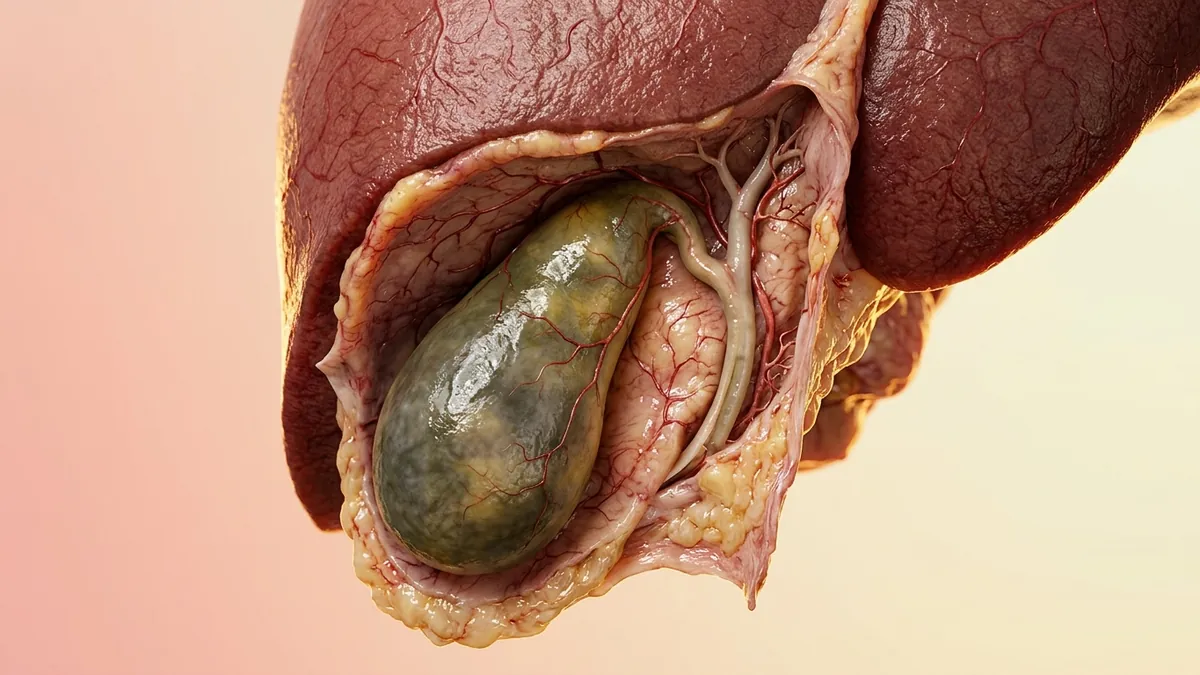
Do you often experience pain or discomfort in the upper right part of your abdomen? Especially when you eat oily or spicy foods, does it make your stomach feel full and bloated? Your doctor may have told you that you have gallstones. In such cases, you may have been told that your gallbladder needs to be removed surgically. It is normal to feel a little scared and anxious when you hear this. But don't worry, today we will talk about what this gallbladder removal surgery, or (Cholecystectomy), is.
What exactly is cholecystectomy?
Simply put, a cholecystectomy is the surgical removal of your gallbladder. The gallbladder is a small sac-like organ located under your liver that temporarily stores bile, a fluid that helps us digest the food we eat.
In cases of gallstones and chronic cholecystitis, the best and most common treatment is to remove the gallbladder. You may be wondering, "Can we live without a gallbladder?" Yes, you can. After the gallbladder is gone, the bile produced in the liver is not stored but directly enters our intestines. Therefore, it does not cause any major problems in our lives.
Is this a major surgery? Will I have to stay in the hospital for many days?
No, (Cholecystectomy) is a very successful and common surgery today. And the recovery time is very short. Most of the time, this surgery is done using minimally invasive techniques . That is, surgeries are performed without making a large incision in the abdomen, using only a few small holes.
The most popular of these methods is laparoscopic cholecystectomy . In this procedure, a small camera is inserted into the abdomen and the doctor uses the images to perform the surgery. This results in less pain, faster recovery, and the patient can go home in a day or two. In rare cases, if there are complications , a traditional open cholecystectomy may be performed.
Why do I need to have this surgery?
There may be several main reasons why your doctor recommends this surgery.
- Gallstones: This is the most common and common cause. These stones can block the bile ducts, causing symptoms such as biliary colic and nausea. If this pain is frequent, surgery is the best solution.
- Chronic cholecystitis: A condition in which the gallbladder becomes repeatedly infected and swollen.
- Gallbladder polyps: If there are large polyps found during an ultrasound examination.
- Gallbladder cancer: This is quite rare, but if there is any suspicion, it is essential to remove the gallbladder.
Simply put, if a gallbladder disease is interfering with your daily life, is a health risk, and is likely to worsen day by day, this surgery is the best solution.
Types of surgeries and how they are performed
Let's see what these types of surgeries are and how they differ from each other.
| Type of surgery | How it happens and specifics |
|---|---|
| Laparoscopic Cholecystectomy |
|
| Open Cholecystectomy | |
| Robotic Cholecystectomy |
What happens before and after surgery?
Before the surgery, you will be given general anesthesia, so you will not feel any pain. Your doctor will advise you to fast for a few hours before the surgery and to stop taking certain medications.
After the surgery, you will be kept in a recovery room for a few hours and then transferred to the ward once the anesthesia wears off. You will be given medication to control the pain. If you had a laparoscopic surgery, you will be able to go home the same day or the next day. If you had an open surgery, you will need to stay in the hospital for a few days.
Possible risks and side effects after surgery
As with any surgery, there are very small risks involved, but these are very rare.
- Infections: Infection of surgical wounds.
- Bleeding: A condition that can occur during or after surgery.
- Bile leakage: Can occur due to damage to a duct that carries bile.
- Pancreatitis: A temporary swelling of the pancreas.
- Digestive changes: You may experience digestive discomfort (such as bloating), especially with fatty foods, during the first few weeks. However, this will gradually return to normal over time.
Your doctor will take all necessary steps to minimize these risks.
Do I need to change my diet after surgery?
Yes, you will have to be a little careful about your diet in the early stages. It is best to stay away from oily, fatty, spicy and hard-to-digest foods for the first few weeks after surgery. You can start with light, simple foods like steamed vegetables, soups, and fruits and gradually adjust to a normal diet. Most people start eating normally within a month or two without any problems.
When should you seek immediate medical advice?
After you go home, if you develop any of the following symptoms , call your doctor immediately or go to the nearest hospital's Emergency Department (ETU) .
- High fever (over 38 Celsius / 101 Fahrenheit).
- Unbearable, gradually increasing stomach pain.
- Swelling, redness, or pus oozing from the surgical wound.
- Persistent nausea and vomiting.
- Yellowing of the skin and eyes (Jaundice).
- Dark urine or pale stools.
These symptoms could be a sign of an infection or other complication, so don't ignore them.
💡 Take-Home Message
- Cholecystectomy is a very successful and safe surgery for conditions such as gallstones.
- This is often done laparoscopically (through small incisions), which results in less pain and faster healing.
- You can live a completely healthy life without a gallbladder. Don't be afraid of that.
- It is important to be careful about your diet in the early days after surgery. Avoid eating foods high in oil and fat.
- If you develop warning signs such as fever, severe pain, or swelling of the wound, contact your doctor immediately.






Janiw kuna arsuwinakas jichhakamax uñt’ayatäkiti. Aka chiqanx amuyt’awim jan ukax jiskt’awim yapxatañamawa.