
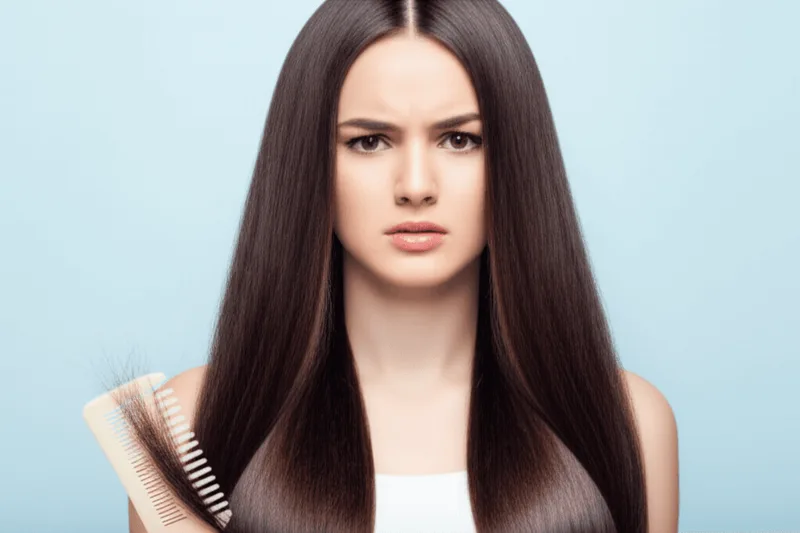
Do you also feel like you're losing a lot of hair? Let's talk about this hair loss.

Do you also feel like you're losing a lot of hair? Let's talk about this hair loss.

When you comb your hair in the morning, do you find a lot of hair on your comb? Or is there a lot of hair on the bathroom floor after you take a shower? It's normal to feel a little scared and anxious when you see these things. In fact, for some people, even a little hair loss can cause a lot of stress. For others, even a lot of hair loss and baldness is not a big deal. However, hair adds a lot to our appearance, so it's important to take care of it. So today, let's talk about hair loss, that is, `(Hair Loss)`, in detail and simply.

Let's first see, what is this hair?

Simply put, we have hair almost everywhere on our bodies, except for places like our palms, soles of our feet, eyelashes, and navels. But some hairs are so fine that we can't even see them.

Hair is made of a protein called Keratin . These are produced in the hair follicles, which are located in our skin. As new hair cells are produced in these hair follicles, old cells are pushed out from the surface of the skin. This hair that you see is actually a thread made of dead keratin cells. On average, an adult has about 100,000 to 150,000 hairs on their head. It is normal to lose about 50 to 100 hairs a day. So, there is no need to be afraid of a few hairs on your comb.

At any given time, 90% of the hair on your head is growing. Each hair has its own life cycle. This cycle is divided into three main phases.

Stages of the life cycle Description
Growth phase (Anagen) This is the period when hair is actively growing. This phase usually lasts from two to eight years.
Transition phase (Catagen) A short period of time when hair growth stops and the hair follicle shrinks. This lasts about two to three weeks.
Resting phase (Telogen) This lasts for about two to three months. At the end of this period, the hair falls out, and a new hair begins to grow in its place. The cycle starts all over again.

As you age, the rate of hair growth gradually slows down.

Main Types of Hair Loss

Hair loss is medically known as alopecia . There are many types of this.

  • Hair thinning with age (Involutional alopecia): This is a very natural phenomenon. As we age, many hair follicles go into the resting phase, and the remaining hair follicles become shorter and thinner.
  • Androgenic alopecia: This is a genetic condition. It can affect both men and women. Male pattern baldness can begin in the teens or early twenties. It is characterized by thinning hair on the sides of the forehead and the crown of the head. In female pattern baldness, thinning hair begins to appear after the age of 40. Hair thins all over the head, especially on the crown.
  • Alopecia areata: This can start suddenly. It is common in children and young adults. The hair falls out in patches. It can even lead to complete baldness (alopecia totalis). However, about 90% of people will have their hair grow back within a few years.
  • Total body hair loss (Alopecia universalis): This involves the loss of hair all over the body, including the eyebrows and eyelashes.
  • Trichotillomania: This is a mental condition, especially seen in children, where the person pulls out their own hair.
  • Telogen effluvium: A temporary condition caused by a change in the hair life cycle. A large number of hairs suddenly enter the resting phase and fall out.
  • Scarring alopecia: This is permanent hair loss. Scarring caused by skin infections (cellulitis, folliculitis) and diseases such as lupus destroys hair follicles and prevents hair from growing again.
  • Traction alopecia: Hair loss can be caused by braiding hair tightly, styling it with a tight hair tie, or using hot combs.

Why do we lose our hair? What are the reasons?

Doctors still don't know exactly why some hair follicles have a shorter growth cycle than others, but there are many factors that can contribute to hair loss.

Remember, if you're losing your hair, finding the cause is the first step in treatment. That's why it's important to see a doctor.

  • Hormones : Hormonal imbalances, especially changes in the levels of male hormones called androgens (which are also produced in small amounts in women's bodies), can cause hair loss.
  • Genes: Genes inherited from both mother and father can affect baldness.
  • Stress , illness, and childbirth : These can cause temporary hair loss. A fungal infection (ringworm) can also cause hair loss.
  • Drugs: Chemotherapy, blood thinners , some high blood pressure medications, and birth control pills can cause temporary hair loss.
  • Wounds and burns: These can cause temporary hair loss. If a scar forms, hair will not grow back in that area.
  • Autoimmune diseases: These can cause alopecia areata. This is when the body's immune system mistakenly attacks the hair follicles.
  • Cosmetic procedures: Frequent shampooing, perming, bleaching, and dyeing can weaken, weaken, and thin your hair . However, these do not cause baldness. Once the cause of the problem is removed, hair will grow back normally.
  • Other medical conditions:Thyroid disease, lupus, diabetes, iron deficiency anemia, and eating disorders can also cause hair loss.
  • Diet: A low-protein diet or a very restricted calorie diet can cause temporary hair loss. Vitamin A, B, C, D, E, and iron and zinc deficiencies can also contribute to this.

How to recognize hair loss? Symptoms

Hair loss can occur gradually over time, or it can happen suddenly. The symptoms vary depending on the cause.

  • Gradual thinning of hair on the top of the head: This is the main symptom of hereditary hair loss.
  • Sudden hair loss: This can happen in cases like `Alopecia areata` or cancer treatments.
  • Round bald spots: These can occur in the beard, eyebrows, and even eyelashes.
  • Excessive hair loss (Shedding): This can happen a few months after childbirth, a major illness, or stress. You may notice more hair than usual on your comb or in the shower.

Sometimes hair loss can be accompanied by other symptoms. For example, inflammation, itching, redness, swelling, or skin peeling. If you have any of these, be sure to see a doctor.

How does the doctor find the cause and treat it?

The best thing to do if you notice that you're losing your hair is to seek medical advice. Your doctor will do the following to find the cause:

  • You will be asked about your medical history and family details.
  • Your skull will be examined.
  • Blood tests are given to check iron levels, vitamin D, and thyroid hormones.
  • Sometimes the scalp is examined with a special camera called a trichoscope.
  • In rare cases, a biopsy may be performed to remove a small piece of skin from the skull.

Treatment depends on the cause of your hair loss. Some hair loss conditions are permanent, but treatment can stop further hair loss.

Treatment method A simple explanation
Medications The doctor may prescribe medications such as Minoxidil, which is applied to the scalp, Finasteride tablets for men, and corticosteroids.
Hair Transplantation (Grafting) Taking hair from another part of the body and replanting it in bald areas.
Light therapy Stimulation of hair follicles using low-level laser beams.
PRP therapy (Platelet-rich plasma) Stimulating hair growth using your own blood plasma.

The most important thing is not to be fooled by various cosmetics and products that claim to grow hair, which have no scientific evidence. It is very important to see a dermatologist and get the right advice .

What can you do to prevent hair loss and keep it healthy?

Not all hair loss can be prevented, but there are some things you can do to protect your hair.

  • Eat a balanced, nutritious diet. Eat more foods rich in protein, iron, zinc, and biotin.
  • Be gentle with your hair. Don't tie your hair tightly. Use a mild shampoo and conditioner.
  • Protect your hair from excessive heat. Reduce the use of curling irons, straighteners, and blow dryers.
  • Manage stress. Things like yoga and meditation can help.
  • Limit the use of chemicals like dyes and perms.

If hair loss is affecting you emotionally, talk to your doctor about it. You may find that counseling can help. Remember, don't give up hope. Many people have had good results with the right treatment.

Take-Home Message

  • It's normal to lose 50-100 hairs a day. If you're losing more than that, be concerned.
  • Hair loss is influenced by many factors, including genes, hormones, medical conditions, stress, and diet.
  • As soon as you notice that you're losing more hair than usual, see a doctor to find out the exact cause.
  • There are effective treatments available today for many hair loss conditions.
  • Don't be fooled by "miracle" products that have no scientific basis, and always follow the advice of a qualified doctor.

Hair loss, hair loss, baldness, hair loss, alopecia, hair treatment, hair fall, hair growth, hair care

⚠️ Important: The medical articles and information on Nirogi Lanka are for general awareness only, and are by no means a substitute for professional medical advice, diagnosis, or treatment. For any medical problem you have, consult a qualified physician immediately.

💬 Comments (0)

No comments have been posted yet. Add your comment here for the first time.

Add your comment

Please calculate: 9 + 6 =
Do you also feel like you're losing a lot of hair? Let's talk about this hair loss.
SymptomsJuly 18, 2025

Do you also feel like you're losing a lot of hair? Let's talk about this hair loss.

When you comb your hair in the morning, do you find a lot of hair on your comb? Or is there a lot of hair on the bathroom floor after you take a shower? It's normal to feel a little scared and anxious when you see these things. In fact, for some people, even a little hair loss can cause a lot of stress. For others, even a lot of hair loss and baldness is not a big deal. However, hair adds a lot to our appearance, so it's important to take care of it. So today, let's talk about hair loss, that is, `(Hair Loss)`, in detail and simply.

Let's first see, what is this hair?

Simply put, we have hair almost everywhere on our bodies, except for places like our palms, soles of our feet, eyelashes, and navels. But some hairs are so fine that we can't even see them.

Hair is made of a protein called Keratin . These are produced in the hair follicles, which are located in our skin. As new hair cells are produced in these hair follicles, old cells are pushed out from the surface of the skin. This hair that you see is actually a thread made of dead keratin cells. On average, an adult has about 100,000 to 150,000 hairs on their head. It is normal to lose about 50 to 100 hairs a day. So, there is no need to be afraid of a few hairs on your comb.

At any given time, 90% of the hair on your head is growing. Each hair has its own life cycle. This cycle is divided into three main phases.

Stages of the life cycle Description
Growth phase (Anagen) This is the period when hair is actively growing. This phase usually lasts from two to eight years.
Transition phase (Catagen) A short period of time when hair growth stops and the hair follicle shrinks. This lasts about two to three weeks.
Resting phase (Telogen) This lasts for about two to three months. At the end of this period, the hair falls out, and a new hair begins to grow in its place. The cycle starts all over again.

As you age, the rate of hair growth gradually slows down.

Main Types of Hair Loss

Hair loss is medically known as alopecia . There are many types of this.

  • Hair thinning with age (Involutional alopecia): This is a very natural phenomenon. As we age, many hair follicles go into the resting phase, and the remaining hair follicles become shorter and thinner.
  • Androgenic alopecia: This is a genetic condition. It can affect both men and women. Male pattern baldness can begin in the teens or early twenties. It is characterized by thinning hair on the sides of the forehead and the crown of the head. In female pattern baldness, thinning hair begins to appear after the age of 40. Hair thins all over the head, especially on the crown.
  • Alopecia areata: This can start suddenly. It is common in children and young adults. The hair falls out in patches. It can even lead to complete baldness (alopecia totalis). However, about 90% of people will have their hair grow back within a few years.
  • Total body hair loss (Alopecia universalis): This involves the loss of hair all over the body, including the eyebrows and eyelashes.
  • Trichotillomania: This is a mental condition, especially seen in children, where the person pulls out their own hair.
  • Telogen effluvium: A temporary condition caused by a change in the hair life cycle. A large number of hairs suddenly enter the resting phase and fall out.
  • Scarring alopecia: This is permanent hair loss. Scarring caused by skin infections (cellulitis, folliculitis) and diseases such as lupus destroys hair follicles and prevents hair from growing again.
  • Traction alopecia: Hair loss can be caused by braiding hair tightly, styling it with a tight hair tie, or using hot combs.

Why do we lose our hair? What are the reasons?

Doctors still don't know exactly why some hair follicles have a shorter growth cycle than others, but there are many factors that can contribute to hair loss.

Remember, if you're losing your hair, finding the cause is the first step in treatment. That's why it's important to see a doctor.

  • Hormones : Hormonal imbalances, especially changes in the levels of male hormones called androgens (which are also produced in small amounts in women's bodies), can cause hair loss.
  • Genes: Genes inherited from both mother and father can affect baldness.
  • Stress , illness, and childbirth : These can cause temporary hair loss. A fungal infection (ringworm) can also cause hair loss.
  • Drugs: Chemotherapy, blood thinners , some high blood pressure medications, and birth control pills can cause temporary hair loss.
  • Wounds and burns: These can cause temporary hair loss. If a scar forms, hair will not grow back in that area.
  • Autoimmune diseases: These can cause alopecia areata. This is when the body's immune system mistakenly attacks the hair follicles.
  • Cosmetic procedures: Frequent shampooing, perming, bleaching, and dyeing can weaken, weaken, and thin your hair . However, these do not cause baldness. Once the cause of the problem is removed, hair will grow back normally.
  • Other medical conditions:Thyroid disease, lupus, diabetes, iron deficiency anemia, and eating disorders can also cause hair loss.
  • Diet: A low-protein diet or a very restricted calorie diet can cause temporary hair loss. Vitamin A, B, C, D, E, and iron and zinc deficiencies can also contribute to this.

How to recognize hair loss? Symptoms

Hair loss can occur gradually over time, or it can happen suddenly. The symptoms vary depending on the cause.

  • Gradual thinning of hair on the top of the head: This is the main symptom of hereditary hair loss.
  • Sudden hair loss: This can happen in cases like `Alopecia areata` or cancer treatments.
  • Round bald spots: These can occur in the beard, eyebrows, and even eyelashes.
  • Excessive hair loss (Shedding): This can happen a few months after childbirth, a major illness, or stress. You may notice more hair than usual on your comb or in the shower.

Sometimes hair loss can be accompanied by other symptoms. For example, inflammation, itching, redness, swelling, or skin peeling. If you have any of these, be sure to see a doctor.

How does the doctor find the cause and treat it?

The best thing to do if you notice that you're losing your hair is to seek medical advice. Your doctor will do the following to find the cause:

  • You will be asked about your medical history and family details.
  • Your skull will be examined.
  • Blood tests are given to check iron levels, vitamin D, and thyroid hormones.
  • Sometimes the scalp is examined with a special camera called a trichoscope.
  • In rare cases, a biopsy may be performed to remove a small piece of skin from the skull.

Treatment depends on the cause of your hair loss. Some hair loss conditions are permanent, but treatment can stop further hair loss.

Treatment method A simple explanation
Medications The doctor may prescribe medications such as Minoxidil, which is applied to the scalp, Finasteride tablets for men, and corticosteroids.
Hair Transplantation (Grafting) Taking hair from another part of the body and replanting it in bald areas.
Light therapy Stimulation of hair follicles using low-level laser beams.
PRP therapy (Platelet-rich plasma) Stimulating hair growth using your own blood plasma.

The most important thing is not to be fooled by various cosmetics and products that claim to grow hair, which have no scientific evidence. It is very important to see a dermatologist and get the right advice .

What can you do to prevent hair loss and keep it healthy?

Not all hair loss can be prevented, but there are some things you can do to protect your hair.

  • Eat a balanced, nutritious diet. Eat more foods rich in protein, iron, zinc, and biotin.
  • Be gentle with your hair. Don't tie your hair tightly. Use a mild shampoo and conditioner.
  • Protect your hair from excessive heat. Reduce the use of curling irons, straighteners, and blow dryers.
  • Manage stress. Things like yoga and meditation can help.
  • Limit the use of chemicals like dyes and perms.

If hair loss is affecting you emotionally, talk to your doctor about it. You may find that counseling can help. Remember, don't give up hope. Many people have had good results with the right treatment.

Take-Home Message

  • It's normal to lose 50-100 hairs a day. If you're losing more than that, be concerned.
  • Hair loss is influenced by many factors, including genes, hormones, medical conditions, stress, and diet.
  • As soon as you notice that you're losing more hair than usual, see a doctor to find out the exact cause.
  • There are effective treatments available today for many hair loss conditions.
  • Don't be fooled by "miracle" products that have no scientific basis, and always follow the advice of a qualified doctor.

Hair loss, hair loss, baldness, hair loss, alopecia, hair treatment, hair fall, hair growth, hair care

⚠️ Important: The medical articles and information on Nirogi Lanka are for general awareness only, and are by no means a substitute for professional medical advice, diagnosis, or treatment. For any medical problem you have, consult a qualified physician immediately.

💬 Comments (0)

No comments have been posted yet. Add your comment here for the first time.

Add your comment

Please calculate: 9 + 6 =