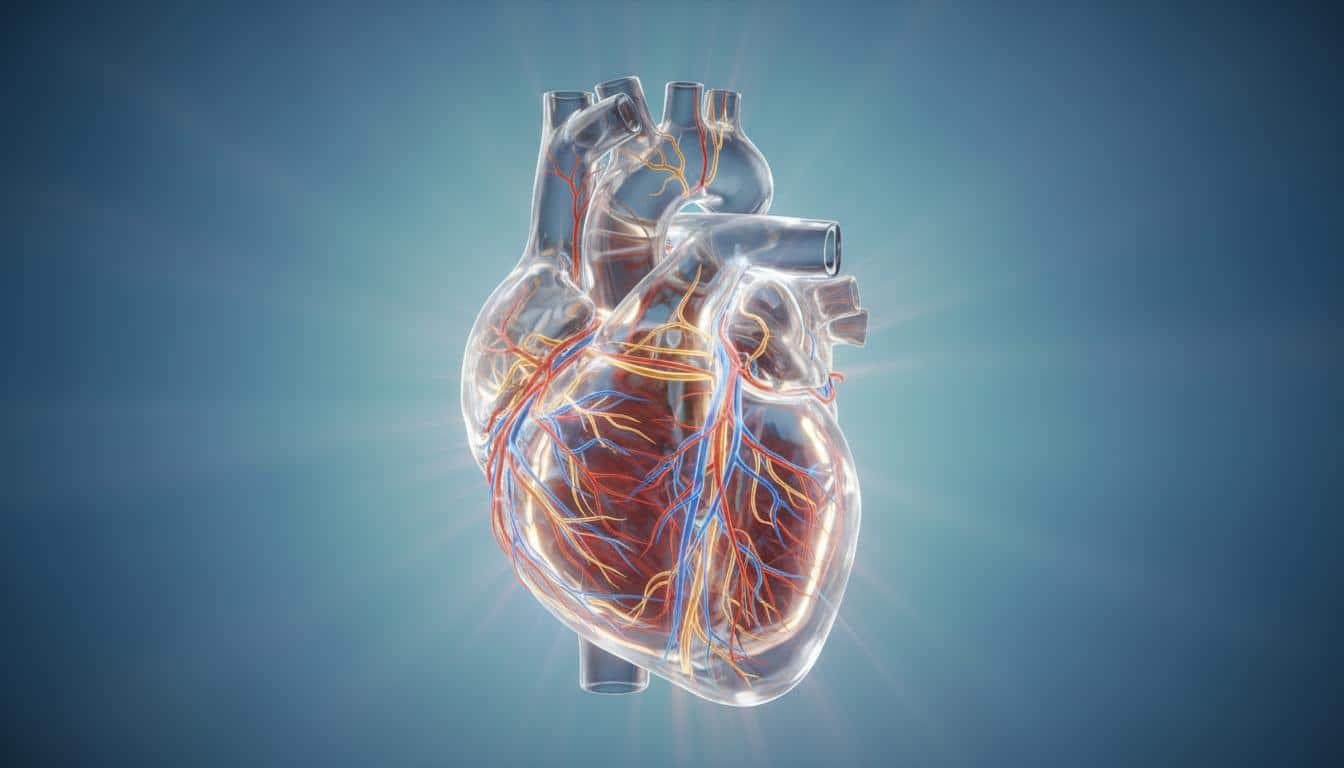
Today, we are going to discuss a topic that is both vital and, for many, a little intimidating: Heart Disease. You might be tempted to think, “Oh, this doesn't apply to me.” But please, stay with us—understanding this is crucial for everyone. After all, your heart, though small, is the powerful engine that sustains your entire body.
What Exactly is Heart Disease?
Simply put, heart disease refers to the various conditions that can affect your heart. When people hear “heart disease,” many immediately think of Coronary Artery Disease (CAD), where fats build up in the arteries leading to a heart attack. However, the reality is broader—you can have issues with your heart muscles, valves, or even the heart’s electrical system.
Think of your heart as the engine of your body. It is responsible for pumping blood, oxygen, and nutrients to every part of you. If this engine runs into trouble—meaning the “fuel” isn't being pumped as it should—it impacts every other system in your body.
The good news is that by making small, consistent lifestyle changes and following medical advice when necessary, you can keep your heart strong and significantly lower your risk of developing heart disease.
What are the Main Types of Heart Disease?
Heart disease isn't just one condition; it manifests in many forms. Here are the most common types:
- Narrowing of blood vessels due to fatty deposits: This is what we call Coronary Artery Disease (CAD).
- Irregular heartbeats: Sometimes your heart may beat too slowly or too fast. These are known as Arrhythmias.
- Heart Valve Diseases: Your heart has valves that ensure blood flows in only one direction. If these valves become damaged or diseased, it can hinder proper blood flow.
- Cardiomyopathy: This involves conditions where the heart muscle becomes weak or abnormally thick.
- Heart Failure: This occurs when your heart can no longer pump blood efficiently enough to meet your body's needs.
- Congenital Heart Disease: Some individuals are born with structural heart defects.
- Pericardial Diseases: These involve issues with the sac surrounding the heart, such as inflammation.
As you can see, there is great variety, which is why symptoms can differ significantly from person to person.
How Common is Heart Disease?
In truth, heart disease is one of the leading causes of death worldwide, including in our own country. It affects people across all genders, backgrounds, and ethnicities. This is why staying informed is so incredibly important.
What are the Symptoms? Recognizing Early Warning Signs
Symptoms vary depending on the type of condition, but there are several common warning signs you should pay attention to:
- Palpitations: Feeling like your heart is racing or pounding in your chest.
- Unexplained sweating.
- Weakness or lightheadedness: Feeling suddenly faint or dizzy.
- Shortness of breath: Feeling winded or struggling to catch your breath even after minor physical activity.
- Fainting or sudden loss of consciousness.
- Chest pain, tightness, or pressure: Often described as a heavy weight on the chest, which may radiate to the left arm, neck, or jaw.
- Neck pain.
- Indigestion or heartburn: While this is often mistaken for acid reflux, it can be a warning sign if accompanied by chest discomfort.
- Nausea or vomiting.
- Swelling (Edema): Particularly in the legs, ankles, or feet.
- Extreme exhaustion: Feeling worn out regardless of how much you sleep.
- Difficulty sleeping.
- Inability to handle physical exercise: Struggling with tasks you previously performed easily.
- Fever: Sometimes present in certain heart infections.
Early Warning Signs:
Sometimes your body sends small signals before a major issue arises. Recognizing these allows you to seek treatment early:
* Chest pain or discomfort.
* Shortness of breath.
* Swelling in the legs or ankles.
* Chronic fatigue.
* Frequent dizziness or near-fainting spells.
If you experience any of these symptoms persistently, you must consult a doctor immediately. Do not ignore these signs; if you suspect an emergency, call 911 or your local emergency services right away.
What Causes Heart Disease?
There is no single cause for heart disease; it is often the result of several contributing factors, including:
- Scarring of the heart muscle.
- Coronary Artery Disease.
- Genetic Issues: Some heart conditions are inherited.
- Kidney dysfunction.
- Infections: Severe systemic infections can sometimes impact the heart.
- Thyroid problems.
- Rheumatic Disease.
- Natural age-related changes to the heart structure.
- Traumatic injury to the heart.
- Damage caused by previous heart attacks.
- Autoimmune Diseases.
- Pregnancy-related heart conditions.
- Certain medications, including specific Chemotherapy agents.
- Substance abuse: Including alcohol, cocaine, or methamphetamine.
- High Blood Pressure.
- Heart rhythm disorders.
What are the Risk Factors for Heart Disease?
Certain habits, lifestyle choices, and underlying health conditions increase your risk of developing heart disease. Let’s look at these risk factors:
- High Cholesterol: Excess "bad" cholesterol in your blood can build up inside your heart's arteries, restricting blood flow.
- High Blood Pressure: Often called "hypertension," this condition forces your heart to work significantly harder, putting extra strain on the heart muscle.
- Tobacco Use: This includes smoking cigarettes, vaping, or using smokeless tobacco products.
- Sedentary Lifestyle: A lack of regular physical activity can lead to heart complications.
- Family History of Heart Disease: If your parents or siblings have heart conditions, you may be at a higher genetic risk.
- Type 2 Diabetes: Often referred to as "sugar disease," this condition significantly impacts your cardiovascular health.
- High Body Mass Index (BMI): A BMI over 25 indicates you are carrying excess weight, which increases the workload on your heart.
- Unhealthy Diet: A diet high in unhealthy fats, excessive salt, refined sugars, and processed foods is a major risk factor.
- Substance Use Disorder: Dependency on illicit drugs can cause immediate and long-term damage to the heart.
Many of these risk factors are manageable. You have the power to protect your heart by adjusting your diet, staying physically active, and quitting smoking. Nirogi Lanka is here to support you on this journey.
What Are the Potential Complications of Heart Disease?
If heart disease is left unmanaged, it can lead to serious health complications that may become life-threatening. These include:
- Heart Attack
- Heart Failure
- Cardiomyopathy (Disease of the heart muscle)
- Stroke
- Abnormal Heart Rhythms (Arrhythmias)
- Cardiogenic Shock: A condition where the heart cannot pump enough blood to meet the body's needs.
- Cardiac Arrest: The sudden, unexpected loss of heart function.
- Heart Valve Disease
- Pulmonary Hypertension: Increased pressure in the arteries that carry blood to the lungs.
- Organ damage, particularly to the kidneys or liver.
This is why consistent monitoring and adherence to your treatment plan are vital.
How Does Your Doctor Diagnose Heart Disease?
If you experience symptoms of heart disease, your doctor will perform a physical exam, review your medical history, and discuss your family's health background. To confirm a diagnosis, they may recommend specific diagnostic tests.
Common Diagnostic Tests for Heart Disease
- Electrocardiogram (ECG/EKG): Records the electrical activity of your heart using small sensors attached to your chest and limbs.
- Ambulatory Monitors: Portable devices like a Holter monitor that you wear for 24–48 hours to record your heart rhythm throughout the day.
- Echocardiogram (Echo): An ultrasound of the heart that provides real-time images of its structure, valves, and pumping efficiency.
- Cardiac CT Scan: Provides detailed cross-sectional images of your heart and blood vessels.
- Cardiac MRI: Uses magnetic resonance to create highly detailed images of the heart's anatomy.
- Blood Tests: Used to check cholesterol levels, blood sugar, and specific enzymes that indicate heart tissue damage.
- Stress Test: Evaluates how your heart performs under physical exertion, often while you walk on a treadmill.
- Cardiac Catheterization / Angiogram: A thin tube is guided through a blood vessel to the heart to identify blockages. If necessary, a stent can be inserted to open narrowed arteries.
Your doctor will determine which tests are necessary based on your specific symptoms and health status.
What Are the Treatment Options for Heart Disease?
Treatment varies based on your specific condition. It may involve lifestyle changes, medication, or medical procedures.
- Lifestyle Changes: The foundation of heart health.
- Adopting a heart-healthy diet low in saturated fats.
- Complete cessation of tobacco use.
- Engaging in regular physical activity, such as daily walking.
- Medications:
- Prescriptions to manage blood pressure and cholesterol levels.
- Specialized medications to manage heart failure or arrhythmias.
- It is crucial to take your medications exactly as prescribed by your doctor to ensure effectiveness.
- Surgical and Medical Procedures:
- Open-heart surgery (e.g., bypass surgery).
- Minimally invasive surgeries performed through small incisions.
- Ablation: A procedure to correct irregular heart rhythms by targeting the tissue causing the abnormal signals.
- Catheter-based procedures, such as stent placement or cardioversion to reset the heart's rhythm.
- Cardiac Rehab Program: A medically supervised program that helps you regain strength through tailored exercise and nutritional guidance.
Are There Side Effects to Treatment?
As with any medical intervention, there may be side effects or risks:
- Medications: Common side effects for blood pressure or cholesterol meds may include dizziness, fatigue, muscle aches, or nausea. Always discuss these symptoms with your doctor.
- Surgeries/Procedures: Risks can include bleeding, infection, stroke, or heart rhythm disturbances. Our medical teams take every precaution to minimize these risks.
What Is the Recovery Timeline?
Recovery depends on the complexity of your procedure. Minor procedures often require only a few days of recovery. Minimally invasive surgeries may take 2–4 weeks, while major open-heart surgeries can require 6–12 weeks for full recovery.
How Can You Prevent Heart Disease?
Prevention is always better than cure. While some conditions are congenital, you can significantly reduce your risk of developing heart disease by making proactive choices today:
- Maintain a healthy weight that is right for you.
- Effectively manage underlying conditions such as diabetes, high blood pressure, and high cholesterol.
- Engage in exercise for at least 30-60 minutes on most days of the week. Activities like brisk walking, jogging, cycling, or swimming are excellent choices.
- Reduce mental stress. You may find practices like yoga or meditation helpful.
- Adopt a diet low in salt and saturated fats. Ask your doctor for advice on heart-healthy meals. Increase your intake of vegetables, fruits, greens, and fiber-rich foods.
- Avoid all tobacco products. If you currently smoke, quitting today is the best gift you can give your heart.
Making these changes can sometimes be challenging, but they are incredibly valuable for the well-being of your heart.
What to expect while living with heart disease? / How do we take care of ourselves?
Being diagnosed with a heart condition does not mean your life is over. With proper medication and the lifestyle adjustments recommended by your doctor, most people can lead a full and normal life. The most important thing is to identify the disease early and begin treatment, rather than waiting for symptoms to worsen.
If you have a common condition like Coronary Artery Disease (CAD), you can significantly improve your health through daily lifestyle changes—such as reducing salt and fats and staying active. Additionally, always take the medications prescribed by your doctor exactly as directed.
When should you see a doctor?
- If someone in your immediate family (parents or siblings) has heart disease, ask your doctor to evaluate your own risk factors. If risks exist, you can work together to create a plan to prevent heart disease.
- If you experience any of the heart-related symptoms mentioned previously, do not delay in seeing a doctor.
When should you go to the Emergency Department (ED)?
If you suddenly experience any of the following symptoms, immediately go to the nearest hospital emergency department or call for emergency services (e.g., 911):
- Chest pain, tightness, pressure, or discomfort (especially if it lasts for more than a few minutes, radiates to other areas, or is accompanied by sweating).
- Sudden fainting.
- Severe shortness of breath.
Do not wait at home when these symptoms occur. Every minute matters, and delaying care can be life-threatening.
Important questions to ask your doctor
When you visit your doctor, don't be afraid to ask any questions on your mind. Here are some you might consider:
- What specific type of heart disease do I have?
- Is there a risk that others in my family could develop this condition?
- What is the most effective treatment plan for me?
- What specific lifestyle changes should I prioritize?
- What foods should I include in my diet, and which should I avoid?
- What types of exercise are safe for me?
- What are the side effects of these medications, and what should I do if I experience them?
Key Takeaways
As we conclude, here are the most important points to keep in mind:
Your heart is a vital organ essential to your life; protecting it is a responsibility you share with your healthcare team.
Heart disease is not a single condition but a term for various types of heart issues, and symptoms can vary accordingly.
Do not take symptoms like chest pain, shortness of breath, or persistent fatigue lightly.
Factors such as high cholesterol, high blood pressure, diabetes, smoking, a sedentary lifestyle, and an unhealthy diet increase your risk of heart disease.
Heart disease can often be managed or even prevented through simple lifestyle changes and appropriate medical care.
Do not wait for symptoms to manifest; if you have known risk factors, seek medical advice early.
Love your heart. There is so much you can do to keep it healthy. Stay informed, stay proactive, and with the support of Nirogi Lanka, you can lead a vibrant, healthy life!
Heart disease, cardiac health, Coronary Artery Disease, heart attack, high blood pressure, cholesterol, heart disease symptoms, heart disease prevention