
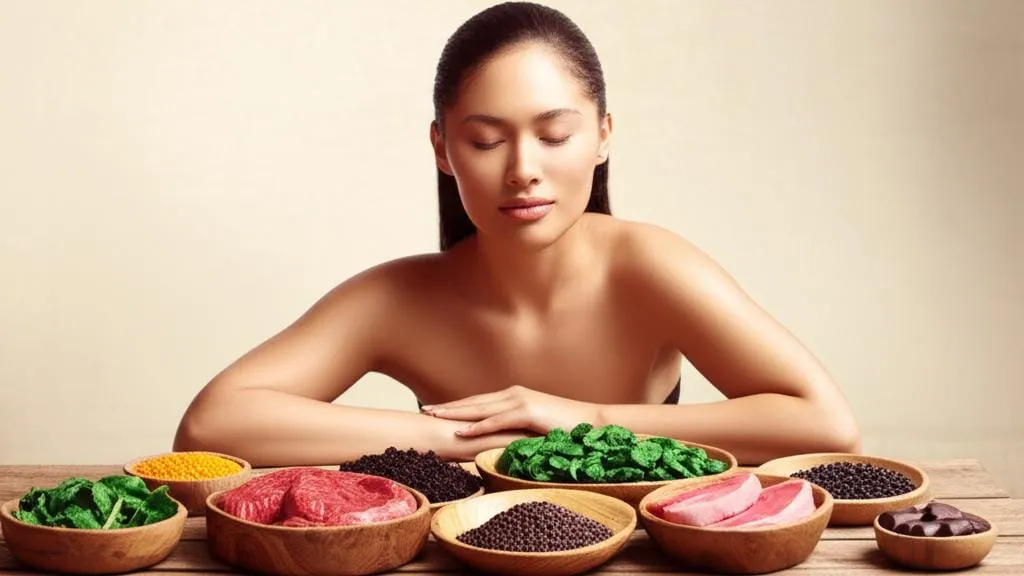
Do you also feel tired all day long, just lifeless? Do you get tired even after doing a little work? Perhaps the reason for this is a lack of iron in your body. Today, let's talk simply about this essential mineral called iron, how important it is for our body, and what foods are rich in iron .
Why is iron so important for our bodies?
Simply put, iron is essential for the blood in our body. There is a protein in our blood that gives the red blood cells their red color and helps carry oxygen throughout the body. We call it hemoglobin .
Think of our red blood cells as delivery trucks that carry oxygen throughout the body. The oxygen cargo on this truck is hemoglobin. So, to make this hemoglobin, you need the raw material called iron.
So what happens if you don't have enough iron in your body? Your body can't make enough hemoglobin. Then your red blood cells can't carry oxygen properly. This is what we call iron- deficiency anemia . This is the most common type of anemia in the world. This is why you feel tired, weak, and short of breath all the time.
How much iron do we need per day?
Now, the amount of iron each person needs per day is different. It depends on your age, gender, and whether you are pregnant or breastfeeding. Women in particular need more iron than usual during menstruation , pregnancy , and breastfeeding.
You can get a rough idea about this from the table below.
| Age Group and Stage | Daily Iron Need (mg) |
|---|---|
| Infants (7-12 months) | 11 mg |
| Young children (1-3 years old) | 7 mg |
| Children (4-8 years old) | 10 mg |
| Young boys (14-18 years old) | 11 mg |
| Young girls (14-18 years old) | 15 mg |
| Adult men (19-50 years old) | 8 mg |
| Adult women (19-50 years old) | 18 mg |
| Pregnant women | 27 mg |
| Breastfeeding mothers | 9 mg |
Did you know that there are two types of iron?
The iron in the foods we eat can be divided into two main types. The way these two are absorbed by the body also differs.
1. Heme iron: This is found in animal foods . Specifically, in animal parts that contain hemoglobin, such as red meat, chicken, and fish. This is the type of iron that our body can absorb most easily .
2. Non-heme iron: These are mostly found in plant foods. In things like spinach, beans, lentils, and soy. There is also some non-heme iron in meat and fish. This type is a little less absorbed by the body than heme iron. But these are also very important for us.
Think of it like a door that is easy to open, and a door that is a little harder to open, like a door that is made of heme iron. But we can get through both doors.
Okay, so what foods contain iron?
There are many foods that can provide iron. Let's see what they are.
Iron-rich meats and animal products
These contain heme iron, which is easily absorbed by the body.
- Liver
- Beef
- Chicken
- Pork
- Goat meat
- Eggs
Iron-rich seafood
- Oysters, Mussels
- Shrimp
- Fish like salmon, tuna, sardines
Iron-rich vegetables and herbs
These contain non-heme iron.
- Spinach
- Dark green leafy vegetables like gotukola, mukunuwenna, and kankun
- Beetroot
- Broccoli
- Legumes such as beans, peas, lentils, chickpeas, and green beans
- Soy
Iron-rich fruits
- Raisins
- Dates
- Dried apricots
- Watermelon
How do you properly absorb iron from food?
It's not enough to just eat foods that contain iron. It's also important to properly absorb it. There are a few simple ways to help you with this.
1. Take vitamin C to help.
Vitamin C can increase the body's absorption of non-heme iron found in plant foods.
- For example, if you're eating rice with lentil soup, add something like a gotukola sambol to it. Add a few drops of lime to that sambol.
- After meals, eat a fruit rich in vitamin C, such as oranges, tangerines, or guava.
- Things like tomatoes and bell peppers are also high in vitamin C.
2. Stay away from these things.
Some foods and drinks interfere with iron absorption.
- Tea and coffee: The tannins in these reduce iron absorption. So , avoid drinking tea or coffee with or immediately after meals. It is best to leave at least an hour between them.
- Calcium: Calcium-rich foods like milk, yogurt, and cheese can also interfere with iron absorption. Therefore, it is best to limit your intake of these foods with iron-rich meals.
3. Eat heme and non-heme together
When you eat plant foods (non-heme iron) together with animal foods (heme iron), the absorption of iron from plant foods is also increased. For example, adding a green leafy vegetable like meat or fish to your rice can maximize the amount of iron you get.
What to do if food alone is not enough? (Iron Supplements)
In some cases, especially if there is a severe iron deficiency, such as during pregnancy or other medical conditions, it may not be possible to get the required amount of iron from food alone. In such cases, doctors may recommend iron supplements.
But this is very important: Only your doctor can decide whether you need iron pills, what type, and how much. You shouldn't just go to the pharmacy and buy iron pills just because you feel like it.
Taking too much iron is also harmful to the body. It can cause stomach upset and constipation. Not only that, but too much iron can accumulate in the body and damage important organs like the liver and heart. Therefore , never use iron tablets without medical advice.
💡 Take-Home Message
- Iron deficiency may be the cause of your constant tiredness and weakness. If you have any of these symptoms, see your doctor.
- Add iron-rich foods such as meat, fish, vegetables, beans, and lentils to your daily diet.
- Consuming foods rich in vitamin C, such as lemons, oranges, and tomatoes, with iron-containing foods can increase the body's absorption of iron.
- Avoid drinking tea or coffee with meals. It interferes with iron absorption.
- Never take iron supplements on your own without consulting a doctor. It can be dangerous.




Janiw kuna arsuwinakas jichhakamax uñt’ayatäkiti. Aka chiqanx amuyt’awim jan ukax jiskt’awim yapxatañamawa.