

Have you ever noticed how some people have an incredible, uncontrollable fear of even the smallest things – think a tiny ant, a speck of dust, or even a grain of rice? Maybe you have experienced it yourself, or maybe someone you know has. This is not just a small fear. This is a condition that is a little deeper than that, and can affect your daily life. Today we are going to talk about this extreme, abnormal fear of such small things , which is medically known as microphobia .
What is this phobia? Is microphobia the same?
Simply put, a phobia is an abnormal, uncontrollable fear of something, a place, an animal, or a situation. Now, look, we're all a little afraid of things. It's normal to be afraid of heights, to see blood, to fly on an airplane... but in a phobia, this fear becomes so severe that it's impossible to carry out everyday tasks. We're tempted to do anything to avoid the thing we're afraid of.
So, Microphobia is one such specific phobia . That is, it is an extreme, unusual fear of small things . In fact, these people feel a much greater fear than the harm that those small things can cause. Some people can have more than one phobia. For example, microphobia can also be accompanied by things like:
- Entomophobia: Fear of insects.
- Iatrophobia: Fear of doctors.
- Mysophobia: Fear of germs.
- Nosocomephobia: Fear of hospitals.
- Nosophobia: Fear of disease.
- Thanatophobia: Fear of death.
How do I know if I also have microphobia?
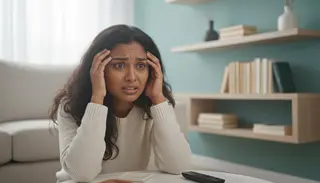
Little things are things that are everywhere in our daily lives. Most of the time, they don't cause any harm. But for some people, when they see or even think about these little things , they cause uncontrollable fear and anxiety . Sometimes this can be as severe as a panic attack .
If you have this kind of fear and anxiety about small things, and it's interfering with your daily activities, it's best to see a doctor right away and talk about it. There's no need to be ashamed or feel bad about having this kind of phobia. There are good treatments for these, and your doctor can help you choose the treatment that's right for you.
Why does this microphobia develop? What are the causes?
There are two main factors that contribute to the development of specific phobias like microphobia: genetics and environmental factors.
- Genetics: If someone in your family, that is, your mother, father, or siblings, has had certain mood disorders, you are more likely to develop this type of specific phobia.
- Environmental factors: If you have ever experienced severe emotional trauma over small things, that can also contribute to microphobia. This can also be a factor, especially if you are deeply concerned that someone you love has a serious illness, such as a viral infection, and you are overwhelmed by the thought that something small caused it.
What symptoms does a person with microphobia exhibit?
In the case of microphobia, behavioral changes as well as physical responses can be observed.
Behavioral changes:
You can do things like this to avoid small things because of this fear:
- Trying not to leave the house at all: Because they might see something small outside somewhere and be scared of it.
- Avoiding certain foods: For example, avoiding rice, millet, lentils, or any other grain that has small pieces.
- Choosing only certain jobs: Looking for jobs that are least likely to involve minor issues.
- Being incredibly careful not to damage things: because if something breaks, you'll have to pick up and remove the small pieces.
- Keeping the windows of the house and car closed at all times: For fear of small things like pollen from outside coming inside.
Just think, some people don't even go near a small swarm of ants. Or if they spill a little sugar in the kitchen, they wait for someone to come and clean it up, but they don't even touch it. These are things called behavioral changes.
Physical responses:
When we feel this fear, our bodies also respond in certain ways. These are:
- Severe anxiety
- High blood pressure
- Muscle tension
- Rapid heart rate
- Stress
- Sweating
- Trembling
How is microphobia diagnosed? (Diagnosis)
A doctor diagnoses microphobia by carefully listening to you about your symptoms and behaviors.
They may ask questions like:
- How do you feel when exposed to small things?
- What little things annoy you the most?
- Have you had to make changes to your daily routines because of this fear of small things?
- Does anyone in your family have anxiety disorders or phobias like these?
- How often do you think about these little things?
- What is the nature and severity of your symptoms related to small things?
- Are you now avoiding certain activities or places you used to enjoy because of this fear?
What are the treatments for microphobia? (Treatment)
One of the main and most effective treatments for microphobia is exposure therapy. In this, your therapist gradually exposes you to small, controlled situations that trigger your fear.
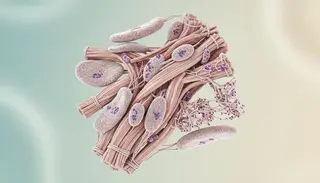
Imagine, exposure therapy for microphobia might start by showing you pictures of germs or other small things.
Over time, as you progress, you may be encouraged to touch small objects or go to places you were previously afraid to go. As this treatment is successful, you will begin to feel less anxious about seeing or being around small objects in your life.
What other treatments are there?
In addition to this main treatment, there are several other treatments that may help:
- Cognitive Behavioral Therapy (CBT): In CBT, your therapist helps you explore your thoughts about why you feel so anxious and fearful about small things. They also help you learn to replace those negative thoughts and behaviors with better, healthier alternatives.
- Medications: Medications cannot completely cure microphobia. However, antidepressants can help with your mood problems. Also, anti-anxiety medications can help you get through this difficult time. For example, if you are afraid to go out again, to face small things, these medications can help ease that transition period. However, these should only be taken under medical advice.
- Stress reduction techniques: These techniques help you calm your mind and relax your body. Things like yoga and meditation can help you connect with your thoughts and feelings better. This can help you reduce your tendency to panic over small things.
Is there anything I can do to prevent microphobia?
If you are at high risk for developing anxiety disorders, there are steps you can take to manage them. By doing so, you can reduce the risk that the things that make you anxious will develop into phobias.
These things can help you manage anxiety:
- Limiting the use of alcohol and recreational drugs.
- Reducing stress (e.g., relaxing, taking time to do something you enjoy).
- Avoid smoking and other tobacco use.
- Spending time with loved ones.
- Start a new hobby to reduce your thoughts about the phobia.
What is the outlook for people with microphobia? (Outlook)
Exposure therapy and other treatments can help you manage your fears of small things. However, sometimes even small things can still make you feel anxious. Knowing how to calm yourself down when you're exposed to something that causes you fear can help you prevent your fears from getting worse.
If you feel that your symptoms are becoming difficult to control, see your doctor immediately. He or she may be able to give you more advice or recommend additional treatments.
What other important things to know when living with microphobia?
You don't have to live in fear of small things. Treatment can help you overcome these intense feelings. Then you can move on to a more independent life. It takes time to overcome a phobia, but don't let that discourage you. By following your therapist's recommendations, you can continue your recovery.
Remember, there's nothing to be ashamed of having this fear. Many people have different phobias. The best thing to do is talk to a doctor about it. That's the first step to recovery.
When you try to change your lifestyle to avoid small things, this situation can become more of a part of your life. So, see a doctor or therapist and learn how to deal with these negative thoughts and behaviors. With successful treatment, small things will not bother you so much, and you will be able to focus on the things you love to do again.
💡 Summary (Take-Home Message)
Okay, so now you have a better understanding of the microphobia we talked about today, the extreme fear of small things. This is not just a small fear, it is a phobia, which means it is a mental condition that requires treatment.
- If you have these symptoms, don't be shy and seek medical advice.
- There are effective treatments such as Exposure Therapy and Cognitive Behavioral Therapy (CBT).
- Medication and stress reduction techniques may also help.
- You don't have to fight this condition alone. With help, you can live a normal life again.
So, if you or someone you know is suffering from something like this, talk about it today, ask for help. That's the most important thing.



Janiw kuna arsuwinakas jichhakamax uñt’ayatäkiti. Aka chiqanx amuyt’awim jan ukax jiskt’awim yapxatañamawa.