

Types of medicines and their importance
After an organ transplant, you will need to take a special type of medication for the rest of your life. We call these drugs immunosuppressants or anti-rejection drugs. Simply put, these drugs stop your body's immune system from attacking the new organ. Our bodies are amazing, and when something foreign enters them, they try to reject it. So these drugs convince your body that the new organ is not a "stranger" but a "friend." In addition to these main medications, you will need to take several other medications to help them work and to control the side effects they cause.So remember, never skip a single dose of the medicine your doctor prescribes. It is essential to take it at the exact time and in the exact dosage.It is very important to stay in touch with your doctor.
- Attend all clinic appointments that are scheduled for you.
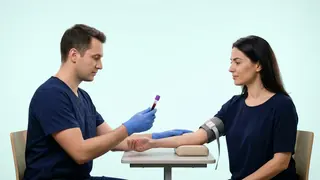
- Be sure to get every blood test and every lab test that is ordered.
- Use all prescribed medications exactly as prescribed.
Don't be afraid of organ rejection.
The word rejection'' is scary. But it doesn't always mean that you'll lose your transplanted organ. In many cases, if you recognize the early signs of rejection early, the condition can be reversed. The symptoms of rejection vary depending on the type of organ you've received. So be sure to ask your doctor about the early signs of rejection related to your surgery. Imagine that your doctor has detected signs of rejection in your body. The first thing he or she will do is try to control the condition by changing your medication. For example:- You may be asked to start a new medication.
- You can add another medication to the medication you are currently taking.
- The dosage of the medicine can be reduced or increased.
Side effects caused by medication
Medications taken after an organ transplant may cause some short-term side effects.- Hair growth or hair loss
- Acne formation
- Mood swings
- Roundness of the face
- Gum swelling
- Weight gain
- Diarrhea
- High blood pressure
- Increased blood cholesterol levels
- Increased blood sugar levels (this can progress to diabetes mellitus)
- Easily susceptible to infections
If you experience any of these side effects, never stop taking your medication on your own. Talk to your doctor first. He or she will adjust your prescription to minimize side effects and prevent damage to your organs.
Things you should pay attention to at home
In addition to the tests you get at the clinic, you also need to be vigilant about your health at home. It's a good idea to keep a diary of these things.| What to check | Description and instructions |
|---|---|
| Body weight | Weigh yourself at the same time every morning. If you gain more than 1 kilo (2 pounds) in one day or 2.5 kilos (5 pounds) in a week, call your doctor immediately. |
| Body temperature | Check your temperature daily. If you have a fever, inform your doctor. |
| Blood Pressure | Measure and record your blood pressure as directed by your doctor. |
| Pulse | Check your pulse rate daily. It should normally be between 60-100 beats per minute (in the case of someone who has had a heart transplant, it can be as high as 110-120). Tell your doctor if your pulse is different. |
| Blood Sugar | If you have diabetes or high blood sugar, check your blood sugar levels regularly as directed. |
Oral and dental health
The anti-rejection medication you take can also affect your teeth and oral health.- Dry mouth
- Mouth ulcers
- Gum swelling
- Mouth ulcers
- Fungal infections of the mouth (Thrush)
The importance of a healthy lifestyle
A healthy lifestyle is important for everyone. But it's twice as important for someone who has had an organ transplant. Bad habits can even increase the risk of your new organ being rejected. You should completely stop smoking and drinking too much alcohol. Instead, get used to these things:- A nutritious meal
- Exercising regularly
- Managing stress
Diet
The dietitian on your medical team will advise you on a diet that is right for you. In general, keep these things in mind.- Eat plenty of fiber-rich foods , such as fresh fruits and vegetables.
- Eat foods rich in calcium , such as low-fat dairy products and green vegetables.
- Reduce salt, processed foods, and packaged snacks as much as possible.
- Unless you are told to limit water, drink plenty of water.
- Eat foods rich in protein . For example: lean meats, skinless chicken, fish, eggs, unsalted nuts, and seeds.
- Cook food by boiling, grilling, or steaming rather than frying.
Exercise
After surgery, many people are advised to start with simple, low-impact exercise, such as walking. Then, you can gradually increase the intensity of your exercise. Things like cycling, jogging, and swimming are good. Weight-bearing exercises can increase strength and strengthen bones. However, the type and amount of exercise you can do depends on your age and physical health. So it's important to follow the advice of your medical team.💡 Take-Home Message
- Take your prescribed medication on time, without skipping a single dose. Never stop taking your medication without consulting your doctor.
- Attend every clinic appointment and lab test that is scheduled for you.
- At home, regularly measure and record your weight, temperature, and blood pressure. If you notice any unusual changes, inform your doctor immediately.
- Avoid smoking and alcohol completely. Adopt a healthy diet and exercise regularly.
- Do not take any over-the-counter medications, vitamins, or traditional medicines without consulting your doctor. In case of an emergency, you can call the National Poison Information Center at the Colombo National Hospital for advice.




Janiw kuna arsuwinakas jichhakamax uñt’ayatäkiti. Aka chiqanx amuyt’awim jan ukax jiskt’awim yapxatañamawa.