
What is this collagen? Let's find out exactly what it does to our bodies.

What is this collagen? Let's find out exactly what it does to our bodies.

You've probably heard the word 'Collagen', right? Especially when talking about beauty products, it is said to brighten the skin and give a youthful appearance. But do you really know what this collagen is, where it is found in our body, and what role it plays in our body? Maybe you also have questions about this. Okay, so today we will talk about this collagen in detail and simply.

What exactly is collagen?

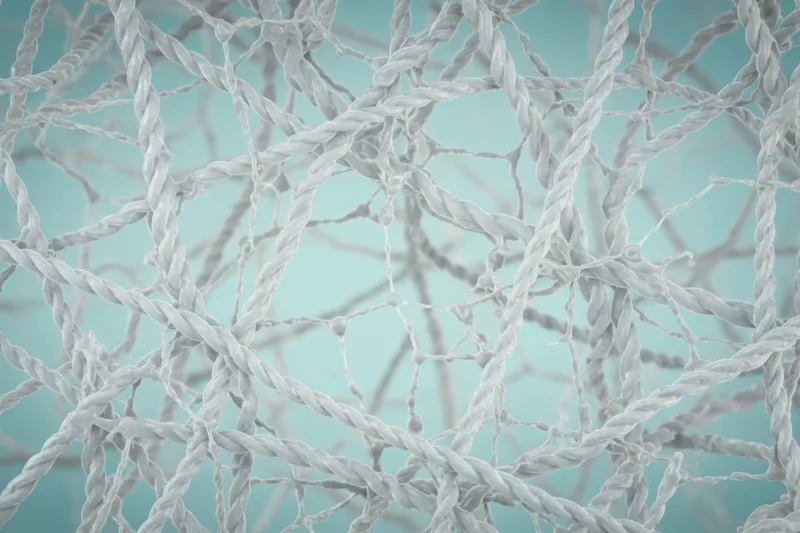
Simply put, collagen is a very important protein in our body. Just like cement in a building, collagen is something that helps hold many things together and keep them strong. Think about it, your hair, skin, nails... all of these contain collagen. Not only that, but our bones (that is, bones), ligaments (that is, the tissue that connects bones to each other), tendons (that is, the tissue that connects muscles to bones), cartilage (the tissue that covers the joints and the soft tissues in our nose and ears), blood vessels (where blood flows), and even our intestines contain this substance called collagen. In other words, it acts as a major structural component of our body.

What does collagen do to our body?

Now you might be thinking, 'Okay, since this is everywhere in the body, what exactly does it do?' The services that collagen provides to our bodies are no small feat. Check out these things...

  • It helps strengthen our bones . Just like the walls of a house, when our bones are strong, our entire body is stable.
  • It gives skin and tendons flexibility, that is, a stretchy nature . Just think, when we bend our limbs, run, or jump, our skin stretches, doesn't it? The same goes for the tissue called tendons. These get that ability because of collagen.
  • Collagen also plays a key role in helping wounds heal . When a cut or scrape occurs, collagen is essential for the formation of new tissue and the healing of the wound.

Are there different types of collagen?

Yes, our bodies don't have just one type of collagen. Just like there are different siblings in the same family, there are different types of collagen. Each type has specific functions. Let's talk about a few of the main types of collagen found in our bodies.

Type I Collagen

This is the most abundant type of collagen in our bodies. Specifically, Type I Collagen is found most commonly in our bones and tendons. It is important for giving strength to bones and flexibility to tendons.

Type II Collagen

This type is mainly found in cartilage.. Cartilage, remember, is the soft, flexible, but strong part of our nose, like the tip of our nose and earlobes. Also, in our joints, like the knees and elbows, this cartilage helps to prevent the bones from rubbing against each other and acts as a cushion. So, a major component of this cartilage is Type II Collagen.

Type III Collagen

Type III Collagen is found in our skin, blood vessel walls (the inner layer of blood vessels), and intestines . This type helps keep the skin youthful and supple. It also contributes to the strength of blood vessels.

What problems can occur with collagen?

Now you probably understand how important collagen is for our body. So, if there is any defect or deficiency in the production of collagen or in the structure of collagen, it can lead to various health problems. These problems often occur depending on the type of collagen that is affected .

The most important thing is that the symptoms of collagen-related problems can vary greatly from person to person. Some people may have very mild symptoms, while others may have moderate or severe symptoms.

Shall we look at some examples?

Osteogenesis Imperfecta (brittle bone disease)

This is a long name, but in simple terms, it causes bones to break very easily. Like glass. The main cause of this condition is a defect in Type I Collagen . Remember, Type I Collagen is the main contributor to bone strength. So, when there is a problem with it, the bones become weak. A child with this disease can break a bone, perhaps even with a very small fall.

Ehlers-Danlos Syndrome

This is another collagen-related condition. It mainly affects the skin and joints. People with this condition have hyperextensible skin and hyperflexible joints , like rubber. This is often caused by a problem with Type IV Collagen . This can cause some people to have problems with their joints, such as frequent joint pain and slow healing of wounds.

Now you may be wondering, 'Why do only some people get these problems?' Most of the time, a child with a collagen problem inherits it through a gene from one or both of their parents.. That is, this is something that can be passed down from generation to generation. Just like skin color and hair color are determined by genes. These genes are the tiny messages that we inherit from our parents that determine our physical characteristics (such as height, color, susceptibility to diseases).

However, even if no one in the family has always had this condition, sometimes a child can develop a new collagen-related problem. This means that these conditions can occur even without a family history . This is called a new mutation.

Now you know that collagen is essential for our bodies to stay healthy. So, if someone, especially a child, has a collagen-related problem, they may need medical care and our support throughout their lives . If a family member, friend, or your own child has this condition, there are a few things you can do to give them the best care possible:

  • Learn as much as you can about your child's or loved one's medical condition. Ask your doctor and read reliable medical information to gain an understanding of the situation. When you understand the situation, it is easier to cope with it and provide the necessary support.
  • If the child is old enough, talk about the condition in simple terms that they can understand. Let them ask questions. Always speak positively, but honestly . Give the child the feeling that 'you have this, but we are facing this together, we are here to help you.'
  • Be sure to take your child to all doctor's appointments. Follow the doctor's instructions exactly. Do not miss the scheduled tests and treatments.
  • Follow the doctor's treatment recommendations exactly. It may be a long-term treatment, but it will help improve the child's quality of life.
  • It is very important to provide emotional support to the child or the person concerned. Always make them feel that they are not alone. If necessary, you can also refer them to services such as counseling.

So, what are the most important things to remember from what we talked about today?

Okay, so we've talked a lot about collagen today, haven't we? To sum it all up, here are the main things you need to remember:

  • Collagen is an essential protein in our bodies. Like our body's 'glue', it is essential for the strength and flexibility of many parts of our body, including skin, bones, and cartilage.
  • There are different types of collagen (such as Type I, Type II, and Type III) , and each type has specific functions.
  • If there is a defect in the production or function of this collagen, conditions such as Osteogenesis Imperfecta (easily brittle bones) or Ehlers-Danlos Syndrome (excessive flexibility of the skin and joints) can occur.
  • Such conditions can often be caused by genetic factors .
  • Long-term medical supervision and our love, care, and support are very important for someone with a collagen-related problem.

Don't forget, if you or someone you know has any doubts about this condition, the best thing to do is to seek medical advice . Instead of self-diagnosing, you can get the right guidance by talking to a qualified doctor.


Collagen, protein, skin, bones, health, genetic diseases

⚠️ Important: The medical articles and information on Nirogi Lanka are for general awareness only, and are by no means a substitute for professional medical advice, diagnosis, or treatment. For any medical problem you have, consult a qualified physician immediately.

💬 Comments (0)

No comments have been posted yet. Add your comment here for the first time.

Add your comment

Please calculate: 6 + 7 =
What is this collagen? Let's find out exactly what it does to our bodies.
Physical FitnessMay 11, 2026

What is this collagen? Let's find out exactly what it does to our bodies.

You've probably heard the word 'Collagen', right? Especially when talking about beauty products, it is said to brighten the skin and give a youthful appearance. But do you really know what this collagen is, where it is found in our body, and what role it plays in our body? Maybe you also have questions about this. Okay, so today we will talk about this collagen in detail and simply.

What exactly is collagen?

Simply put, collagen is a very important protein in our body. Just like cement in a building, collagen is something that helps hold many things together and keep them strong. Think about it, your hair, skin, nails... all of these contain collagen. Not only that, but our bones (that is, bones), ligaments (that is, the tissue that connects bones to each other), tendons (that is, the tissue that connects muscles to bones), cartilage (the tissue that covers the joints and the soft tissues in our nose and ears), blood vessels (where blood flows), and even our intestines contain this substance called collagen. In other words, it acts as a major structural component of our body.

What does collagen do to our body?

Now you might be thinking, 'Okay, since this is everywhere in the body, what exactly does it do?' The services that collagen provides to our bodies are no small feat. Check out these things...

  • It helps strengthen our bones . Just like the walls of a house, when our bones are strong, our entire body is stable.
  • It gives skin and tendons flexibility, that is, a stretchy nature . Just think, when we bend our limbs, run, or jump, our skin stretches, doesn't it? The same goes for the tissue called tendons. These get that ability because of collagen.
  • Collagen also plays a key role in helping wounds heal . When a cut or scrape occurs, collagen is essential for the formation of new tissue and the healing of the wound.

Are there different types of collagen?

Yes, our bodies don't have just one type of collagen. Just like there are different siblings in the same family, there are different types of collagen. Each type has specific functions. Let's talk about a few of the main types of collagen found in our bodies.

Type I Collagen

This is the most abundant type of collagen in our bodies. Specifically, Type I Collagen is found most commonly in our bones and tendons. It is important for giving strength to bones and flexibility to tendons.

Type II Collagen

This type is mainly found in cartilage.. Cartilage, remember, is the soft, flexible, but strong part of our nose, like the tip of our nose and earlobes. Also, in our joints, like the knees and elbows, this cartilage helps to prevent the bones from rubbing against each other and acts as a cushion. So, a major component of this cartilage is Type II Collagen.

Type III Collagen

Type III Collagen is found in our skin, blood vessel walls (the inner layer of blood vessels), and intestines . This type helps keep the skin youthful and supple. It also contributes to the strength of blood vessels.

What problems can occur with collagen?

Now you probably understand how important collagen is for our body. So, if there is any defect or deficiency in the production of collagen or in the structure of collagen, it can lead to various health problems. These problems often occur depending on the type of collagen that is affected .

The most important thing is that the symptoms of collagen-related problems can vary greatly from person to person. Some people may have very mild symptoms, while others may have moderate or severe symptoms.

Shall we look at some examples?

Osteogenesis Imperfecta (brittle bone disease)

This is a long name, but in simple terms, it causes bones to break very easily. Like glass. The main cause of this condition is a defect in Type I Collagen . Remember, Type I Collagen is the main contributor to bone strength. So, when there is a problem with it, the bones become weak. A child with this disease can break a bone, perhaps even with a very small fall.

Ehlers-Danlos Syndrome

This is another collagen-related condition. It mainly affects the skin and joints. People with this condition have hyperextensible skin and hyperflexible joints , like rubber. This is often caused by a problem with Type IV Collagen . This can cause some people to have problems with their joints, such as frequent joint pain and slow healing of wounds.

Now you may be wondering, 'Why do only some people get these problems?' Most of the time, a child with a collagen problem inherits it through a gene from one or both of their parents.. That is, this is something that can be passed down from generation to generation. Just like skin color and hair color are determined by genes. These genes are the tiny messages that we inherit from our parents that determine our physical characteristics (such as height, color, susceptibility to diseases).

However, even if no one in the family has always had this condition, sometimes a child can develop a new collagen-related problem. This means that these conditions can occur even without a family history . This is called a new mutation.

Now you know that collagen is essential for our bodies to stay healthy. So, if someone, especially a child, has a collagen-related problem, they may need medical care and our support throughout their lives . If a family member, friend, or your own child has this condition, there are a few things you can do to give them the best care possible:

  • Learn as much as you can about your child's or loved one's medical condition. Ask your doctor and read reliable medical information to gain an understanding of the situation. When you understand the situation, it is easier to cope with it and provide the necessary support.
  • If the child is old enough, talk about the condition in simple terms that they can understand. Let them ask questions. Always speak positively, but honestly . Give the child the feeling that 'you have this, but we are facing this together, we are here to help you.'
  • Be sure to take your child to all doctor's appointments. Follow the doctor's instructions exactly. Do not miss the scheduled tests and treatments.
  • Follow the doctor's treatment recommendations exactly. It may be a long-term treatment, but it will help improve the child's quality of life.
  • It is very important to provide emotional support to the child or the person concerned. Always make them feel that they are not alone. If necessary, you can also refer them to services such as counseling.

So, what are the most important things to remember from what we talked about today?

Okay, so we've talked a lot about collagen today, haven't we? To sum it all up, here are the main things you need to remember:

  • Collagen is an essential protein in our bodies. Like our body's 'glue', it is essential for the strength and flexibility of many parts of our body, including skin, bones, and cartilage.
  • There are different types of collagen (such as Type I, Type II, and Type III) , and each type has specific functions.
  • If there is a defect in the production or function of this collagen, conditions such as Osteogenesis Imperfecta (easily brittle bones) or Ehlers-Danlos Syndrome (excessive flexibility of the skin and joints) can occur.
  • Such conditions can often be caused by genetic factors .
  • Long-term medical supervision and our love, care, and support are very important for someone with a collagen-related problem.

Don't forget, if you or someone you know has any doubts about this condition, the best thing to do is to seek medical advice . Instead of self-diagnosing, you can get the right guidance by talking to a qualified doctor.


Collagen, protein, skin, bones, health, genetic diseases

⚠️ Important: The medical articles and information on Nirogi Lanka are for general awareness only, and are by no means a substitute for professional medical advice, diagnosis, or treatment. For any medical problem you have, consult a qualified physician immediately.

💬 Comments (0)

No comments have been posted yet. Add your comment here for the first time.

Add your comment

Please calculate: 6 + 7 =