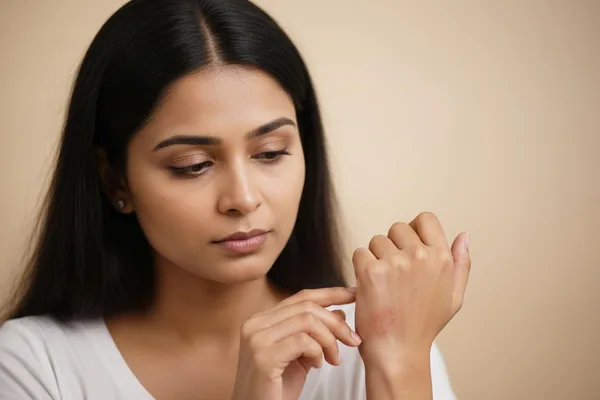
Do you have scaly patches on your skin? Let's learn more about psoriasis.

Do you have scaly patches on your skin? Let's learn more about psoriasis.

Do you have red, scaly, slightly thickened patches on your skin? Sometimes you can even scratch these. It's normal to feel a little scared when you see something like this. Today we are going to talk about a skin disease that shows these symptoms, which many people have but are not exactly aware of. That is psoriasis , or as doctors call it ( Psoriasis ) .

What is Psoriasis?

Simply put, psoriasis is an inflammatory condition that affects your skin . It is caused by a malfunction in your body's immune system . Our immune system normally fights off germs that cause disease . But in people with psoriasis, the immune system mistakenly attacks their own healthy skin cells. This causes red, scaly, scaly patches of skin, called plaques .

The most important thing is that psoriasis is a chronic condition . This means that it does not go away immediately, and it may flare up from time to time. But don't worry, it can be well controlled with good treatment.

What are the main types of psoriasis?

Now let's look at the main types of psoriasis. The way each one presents may be slightly different.

  • Plaque psoriasis : This is the most common type . About 80% to 90% of people with psoriasis have this type. It is characterized by thick, silvery-white patches of skin.
  • Inverse psoriasis: This occurs in areas where the skin folds. Think armpits, groin, and under the breasts . This type of psoriasis has less scaling, but the patches are red and smooth.
  • Guttate psoriasis: This can sometimes follow a streptococcal infection. It appears as small, red, scaly patches that look like water droplets. It is more common in children and young adults .
  • `Pustular psoriasis` ( pus- filled psoriasis): In this, small pus-filled blisters appear on the spots.
  • Erythrodermic psoriasis: This is a more severe type . The skin becomes red and scaly over a large area of ​​the body (more than 90%). If you notice anything like this, you should see a doctor immediately.
  • Sebopsoriasis: This usually occurs on the face and scalp. It appears as yellow, oily, scaly patches and patches. It is a combination of dandruff and seborrheic dermatitis, another skin condition.
  • Nail psoriasis: In this condition, the nails change color, develop small pits, become brittle, and become thick.

Where on the body can psoriasis occur?

This scaly rash can appear anywhere on the body, but is most commonly seen on:

  • In the elbows and knees
  • On the face and inside the mouth (this is a little less common)
  • On the scalp
  • In the nails of the hands and feet
  • Around the genital area (don't be shy about talking about this, tell your doctor )
  • Lower back
  • On the palms and soles of the feet

For most people, the rash only affects a small area of ​​the skin. However, in some severe cases, these spots can grow together and cover a large area of ​​the body.

What is (psoriatic arthritis)?

Some people have another problem with psoriasis, called psoriatic arthritis . Simply put, it's a type of arthritis that causes pain and swelling in the joints . Like psoriasis, it's also caused by an abnormal immune system response. Not everyone with psoriasis gets it, but about one in three people will develop psoriatic arthritis. Early treatment can help reduce joint damage . So if you have psoriasis and joint pain, be sure to tell your doctor.

Who gets psoriasis? How common is it?

Psoriasis can affect people of all ages, genders, and ethnicities. It affects millions of people worldwide. In the United States alone, it is estimated that more than 3% of the population has the condition. So, if you have it, remember that you are not alone.

Are Psoriasis and Eczema the same thing?

Many people confuse psoriasis and eczema because both have symptoms like skin discoloration, scaling, and itching. However, these are two different diseases.

Psoriasis usually presents as thick, raised, scaly plaques.

In eczema, the skin becomes dry and blisters appear.

Also, eczema can be more itchy than typical scabies, so it's best to see a doctor to find out exactly what you have.

What does psoriasis look like?

The main symptom of psoriasis is the appearance of plaques. They can look like this:

  • A raised, raised patch or rash on the skin.
  • The skin with the spot is discolored (may be red, brown, or vary depending on the skin color).
  • The spots have a scaly, peeling appearance, and they peel off easily.

Initially, they start as small blisters that grow larger and crust over. If you scratch the spots, the crusts may peel and bleed. As these spots spread, larger areas of damaged skin (lesions) can form. Symptoms of scabies can range from mild to severe.

What are the symptoms of psoriasis?

In addition to those skin patches (plaques), you may also have symptoms like:

  • Itchy skin (sometimes the itching can be unbearable)
  • Dry and cracked skin
  • Skin pain
  • Pitting, cracking, or crumbling of nails
  • Joint pain (due to the `(Psoriatic arthritis)` we talked about earlier)

If you scratch the spots, you can break the skin and cause infections . Infections are dangerous. If you experience symptoms such as severe pain, swelling, and fever , it could be a sign of an infection. If this happens , seek medical advice immediately .

What causes psoriasis?

The main cause of psoriasis is inflammation of the skin caused by an over-reactive immune system .

Imagine, if you have psoriasis, your immune system is not doing what it's supposed to. Normally, it's supposed to keep us healthy by destroying foreign invaders like bacteria. But in this case, the immune system mistakenly thinks its own healthy cells are foreign invaders. As a result, the immune system causes inflammation, or swelling. That's what you see on the surface of your skin as those spots.

It usually takes about 30 days for new skin cells to form and replace old ones. But your overactive immune system shortens this time to three to four days. The speed at which new cells replace old cells is what causes those spots to peel and peel off frequently.

It can run in families . This means that there may be a genetic influence. There is a possibility that children will inherit this disease from their parents.

What causes psoriasis outbreaks?

If you have psoriasis, certain things can cause it to flare up, meaning the patches can come back. We call these 'triggers' . These triggers are different for everyone. One thing may affect one person, while another may not.

Imagine, there's a person named Kamal, he has acne. When he's under a lot of emotional stress , like when he has a problem at work, those spots reappear. That's how it is,

  • Infections: Especially those that occur in the throat, such as ``Streptococcal infection``.
  • Skin injuries:It could be a small cut, a cut, or even a surgical site.
  • Certain medications: For example, some medications such as `(Lithium)` (a medication for mental illness) and `(beta-blockers)` (a medication for high blood pressure).
  • Changes in weather: Sudden cold spells and dry weather can also have an impact.

Is Psoriasis contagious?

No, psoriasis is not a contagious disease. You don't get it from touching someone else's psoriasis. It's an internal problem, not something that can be spread from the outside. So there's no need to ostracize someone with psoriasis or isolate them from society.

How to diagnose (Psoriasis)?

A doctor, especially a dermatologist, will examine your skin, ask about your symptoms, and tell you whether you have psoriasis. The doctor may ask you questions like:

  • Does anyone in your family have any of these skin diseases?
  • Since when do these symptoms exist?
  • Have you tried any treatments at home?
  • Have spots like this ever appeared before?
  • What kind of soap and shampoo do you use?

Although the plaques on your skin may look like scaly patches, sometimes these symptoms can be similar to other skin conditions. Therefore, to be sure, your doctor may do a skin biopsy. This involves taking a small piece of skin from the spot and looking at it under a microscope.

How is Psoriasis treated?

There are several treatments available to relieve the symptoms of psoriasis. The most commonly used treatments are:

  • Steroid creams: These reduce inflammation.
  • Moisturizers for dry skin: Helps retain moisture in the skin.
  • Medicines that slow down skin cell growth (e.g. Anthralin): These control rapid cell division.
  • Medicated lotions or shampoos: These are used if there is dandruff on the scalp.
  • Vitamin D3 ointment.
  • Vitamin A or retinoid creams.

If the spots are only on small areas of your skin, these creams may help. However, if the spots are spread over a large area, or if you also have joint pain, other treatments may be needed. Joint pain is also a sign that you may have arthritis.

Your doctor will decide which treatment is right for you based on the following:

  • The severity of the spots.
  • It's about where on the body the spots are.
  • your age.
  • Your overall health.

What if there is no cure for psoriasis with regular treatments?

Sometimes, if psoriasis symptoms don't improve with standard treatments, or if a large area of ​​your skin (10% or more) is affected, your doctor may suggest other treatments, such as:

  • Light therapy / Phototherapy: LED light with specific wavelengths helps reduce skin inflammation and control cell production.
  • PUVA treatment: This involves exposure to a type of ultraviolet light along with a drug called Psoralen.
  • Retinoids: These are medications related to vitamin A. Although they can help with scaly skin, they can cause some side effects (e.g., effects on the baby during pregnancy).
  • Immune therapies: Newer medications like biologics and small molecule inhibitors work by blocking the body's immune system and stopping the autoimmune reaction.
  • `Methotrexate`: Doctors recommend this medicine for severe cases of psoriasis. However, it can affect the liver. Therefore, if you take this medicine, your doctor will regularly check your blood tests. You may also need to do `(liver biopsies)` to check the condition of your liver.
  • Cyclosporine: Although this medication can help with severe psoriasis, it can cause high blood pressure and kidney damage.

The most important thing is to talk to your doctor before starting any of these treatments and be aware of the side effects. If you are taking any other medications, you should also tell your doctor about them.

Can psoriasis cause other complications?

For some people with psoriasis, this skin condition can cause more than just itching, scaling, and discoloration. We've seen it can cause joint swelling and arthritis. In addition, if you have psoriasis, you may be at an increased risk of developing the following conditions:

  • Diabetes
  • Obesity
  • High cholesterol
  • Strokes
  • Heart attacks

If you have hypertension, your doctor will check your blood pressure regularly and monitor your progress with treatment. You can also do these things to help prevent these complications:

  • Eating a good balanced diet.
  • Exercising regularly.
  • Getting enough sleep.
  • Avoid smoking.

How quickly will I feel better after treatment?

When psoriasis symptoms flare-up, they can last from a few weeks to a few months. Medications prescribed by your doctor can help your skin heal faster. After the symptoms go away, your psoriasis is in 'remission'.This means that symptoms may recur in the future. This period of remission can last from a few months to a few years. If you find that certain 'triggers' make your symptoms worse, you can extend this period of remission by avoiding them.

What to expect if you have psoriasis?

If you have psoriasis, symptoms usually start to appear in your younger years. But the time it starts varies from person to person. You may find that certain environmental triggers make your symptoms worse. Avoiding them can help reduce the frequency of future flare-ups.

You may feel uncomfortable, itchy, and a little socially awkward because of your skin. If you are experiencing physical or emotional distress due to these symptoms, you should definitely see a doctor and get treatment .

Is there a permanent cure for psoriasis?

Unfortunately, there is no permanent cure for psoriasis. Psoriasis is a chronic condition. This means that symptoms can come and go throughout your life. But with good treatment, you can control your symptoms and stay healthy.

Can Psoriasis be prevented?

There is no way to completely prevent psoriasis. But you can reduce your risk by following your doctor's treatment, adopting a healthy lifestyle, taking good care of your skin, and avoiding 'triggers' that make the disease worse.

How do I take care of myself?

How to live well with psoriasis:

  • Use the medicine exactly as prescribed by the doctor.
  • Always use a moisturizer, especially after bathing.
  • Avoid using harsh soaps.
  • If you have dandruff on your scalp, use a medicated shampoo.

In addition, do these things to stay as healthy as possible:

  • Talk to your doctor about how to reduce your risk of related diseases like heart disease, depression, and diabetes.
  • Reduce stress by meditating, exercising, or seeing a mental health counselor .

When should I see a doctor?

Check your skin regularly for any changes. If you notice any changes to your skin, have a rash that doesn't heal, or if an existing rash gets worse, see a doctor right away.

What questions should I ask the doctor?

  • How can I prevent the disease from getting worse and control the symptoms?
  • What is the best medicine for me?
  • What else should I do to reduce my symptoms?
  • What other options do I have if the creams don't help?
  • Will scabies ever get completely cured?

Psoriasis is an itchy skin condition that can come and go throughout life. It is not contagious, but it is caused by an overactive immune system. If you notice any changes to your skin that are not healthy, talk to your doctor. Although there is no permanent cure for psoriasis, treatment can help control the symptoms.

The most important things we learned from this (Take-Home Message)

Okay, so we've talked a lot about psoriasis today, haven't we? Here are some of the most important things to remember:

  • Psoriasis is not a contagious disease. Therefore, there is no reason to marginalize people with this condition or to isolate them from society.
  • This is an inflammatory skin condition caused by a change in the functioning of the immune system .
  • Although there is no permanent cure for this, there are very good treatments to control the symptoms.
  • If you suspect you have ringworm or have symptoms, be sure to see a doctor for advice. Do not self -medicate.
  • This condition can be aggravated by things like stress, certain infections, and skin injuries. It is important to be careful of these.
  • Maintaining a healthy lifestyle (good diet, exercise, adequate sleep) also helps control symptoms.

So, if you or someone you know has this skin condition, don't panic. With proper medical advice and treatment, you can control it well and live a normal life.


` Scalp, Psoriasis, Dermatology, Skin Diseases, Immune System, Psoriatic Arthritis, Skin Rashes, Itchy Skin

⚠️ Important: The medical articles and information on Nirogi Lanka are for general awareness only, and are by no means a substitute for professional medical advice, diagnosis, or treatment. For any medical problem you have, consult a qualified physician immediately.

💬 Comments (0)

No comments have been posted yet. Add your comment here for the first time.

Add your comment

Please calculate: 6 + 5 =
Do you have scaly patches on your skin? Let's learn more about psoriasis.
Diseases and ConditionsDecember 3, 2025

Do you have scaly patches on your skin? Let's learn more about psoriasis.

Do you have red, scaly, slightly thickened patches on your skin? Sometimes you can even scratch these. It's normal to feel a little scared when you see something like this. Today we are going to talk about a skin disease that shows these symptoms, which many people have but are not exactly aware of. That is psoriasis , or as doctors call it ( Psoriasis ) .

What is Psoriasis?

Simply put, psoriasis is an inflammatory condition that affects your skin . It is caused by a malfunction in your body's immune system . Our immune system normally fights off germs that cause disease . But in people with psoriasis, the immune system mistakenly attacks their own healthy skin cells. This causes red, scaly, scaly patches of skin, called plaques .

The most important thing is that psoriasis is a chronic condition . This means that it does not go away immediately, and it may flare up from time to time. But don't worry, it can be well controlled with good treatment.

What are the main types of psoriasis?

Now let's look at the main types of psoriasis. The way each one presents may be slightly different.

  • Plaque psoriasis : This is the most common type . About 80% to 90% of people with psoriasis have this type. It is characterized by thick, silvery-white patches of skin.
  • Inverse psoriasis: This occurs in areas where the skin folds. Think armpits, groin, and under the breasts . This type of psoriasis has less scaling, but the patches are red and smooth.
  • Guttate psoriasis: This can sometimes follow a streptococcal infection. It appears as small, red, scaly patches that look like water droplets. It is more common in children and young adults .
  • `Pustular psoriasis` ( pus- filled psoriasis): In this, small pus-filled blisters appear on the spots.
  • Erythrodermic psoriasis: This is a more severe type . The skin becomes red and scaly over a large area of ​​the body (more than 90%). If you notice anything like this, you should see a doctor immediately.
  • Sebopsoriasis: This usually occurs on the face and scalp. It appears as yellow, oily, scaly patches and patches. It is a combination of dandruff and seborrheic dermatitis, another skin condition.
  • Nail psoriasis: In this condition, the nails change color, develop small pits, become brittle, and become thick.

Where on the body can psoriasis occur?

This scaly rash can appear anywhere on the body, but is most commonly seen on:

  • In the elbows and knees
  • On the face and inside the mouth (this is a little less common)
  • On the scalp
  • In the nails of the hands and feet
  • Around the genital area (don't be shy about talking about this, tell your doctor )
  • Lower back
  • On the palms and soles of the feet

For most people, the rash only affects a small area of ​​the skin. However, in some severe cases, these spots can grow together and cover a large area of ​​the body.

What is (psoriatic arthritis)?

Some people have another problem with psoriasis, called psoriatic arthritis . Simply put, it's a type of arthritis that causes pain and swelling in the joints . Like psoriasis, it's also caused by an abnormal immune system response. Not everyone with psoriasis gets it, but about one in three people will develop psoriatic arthritis. Early treatment can help reduce joint damage . So if you have psoriasis and joint pain, be sure to tell your doctor.

Who gets psoriasis? How common is it?

Psoriasis can affect people of all ages, genders, and ethnicities. It affects millions of people worldwide. In the United States alone, it is estimated that more than 3% of the population has the condition. So, if you have it, remember that you are not alone.

Are Psoriasis and Eczema the same thing?

Many people confuse psoriasis and eczema because both have symptoms like skin discoloration, scaling, and itching. However, these are two different diseases.

Psoriasis usually presents as thick, raised, scaly plaques.

In eczema, the skin becomes dry and blisters appear.

Also, eczema can be more itchy than typical scabies, so it's best to see a doctor to find out exactly what you have.

What does psoriasis look like?

The main symptom of psoriasis is the appearance of plaques. They can look like this:

  • A raised, raised patch or rash on the skin.
  • The skin with the spot is discolored (may be red, brown, or vary depending on the skin color).
  • The spots have a scaly, peeling appearance, and they peel off easily.

Initially, they start as small blisters that grow larger and crust over. If you scratch the spots, the crusts may peel and bleed. As these spots spread, larger areas of damaged skin (lesions) can form. Symptoms of scabies can range from mild to severe.

What are the symptoms of psoriasis?

In addition to those skin patches (plaques), you may also have symptoms like:

  • Itchy skin (sometimes the itching can be unbearable)
  • Dry and cracked skin
  • Skin pain
  • Pitting, cracking, or crumbling of nails
  • Joint pain (due to the `(Psoriatic arthritis)` we talked about earlier)

If you scratch the spots, you can break the skin and cause infections . Infections are dangerous. If you experience symptoms such as severe pain, swelling, and fever , it could be a sign of an infection. If this happens , seek medical advice immediately .

What causes psoriasis?

The main cause of psoriasis is inflammation of the skin caused by an over-reactive immune system .

Imagine, if you have psoriasis, your immune system is not doing what it's supposed to. Normally, it's supposed to keep us healthy by destroying foreign invaders like bacteria. But in this case, the immune system mistakenly thinks its own healthy cells are foreign invaders. As a result, the immune system causes inflammation, or swelling. That's what you see on the surface of your skin as those spots.

It usually takes about 30 days for new skin cells to form and replace old ones. But your overactive immune system shortens this time to three to four days. The speed at which new cells replace old cells is what causes those spots to peel and peel off frequently.

It can run in families . This means that there may be a genetic influence. There is a possibility that children will inherit this disease from their parents.

What causes psoriasis outbreaks?

If you have psoriasis, certain things can cause it to flare up, meaning the patches can come back. We call these 'triggers' . These triggers are different for everyone. One thing may affect one person, while another may not.

Imagine, there's a person named Kamal, he has acne. When he's under a lot of emotional stress , like when he has a problem at work, those spots reappear. That's how it is,

  • Infections: Especially those that occur in the throat, such as ``Streptococcal infection``.
  • Skin injuries:It could be a small cut, a cut, or even a surgical site.
  • Certain medications: For example, some medications such as `(Lithium)` (a medication for mental illness) and `(beta-blockers)` (a medication for high blood pressure).
  • Changes in weather: Sudden cold spells and dry weather can also have an impact.

Is Psoriasis contagious?

No, psoriasis is not a contagious disease. You don't get it from touching someone else's psoriasis. It's an internal problem, not something that can be spread from the outside. So there's no need to ostracize someone with psoriasis or isolate them from society.

How to diagnose (Psoriasis)?

A doctor, especially a dermatologist, will examine your skin, ask about your symptoms, and tell you whether you have psoriasis. The doctor may ask you questions like:

  • Does anyone in your family have any of these skin diseases?
  • Since when do these symptoms exist?
  • Have you tried any treatments at home?
  • Have spots like this ever appeared before?
  • What kind of soap and shampoo do you use?

Although the plaques on your skin may look like scaly patches, sometimes these symptoms can be similar to other skin conditions. Therefore, to be sure, your doctor may do a skin biopsy. This involves taking a small piece of skin from the spot and looking at it under a microscope.

How is Psoriasis treated?

There are several treatments available to relieve the symptoms of psoriasis. The most commonly used treatments are:

  • Steroid creams: These reduce inflammation.
  • Moisturizers for dry skin: Helps retain moisture in the skin.
  • Medicines that slow down skin cell growth (e.g. Anthralin): These control rapid cell division.
  • Medicated lotions or shampoos: These are used if there is dandruff on the scalp.
  • Vitamin D3 ointment.
  • Vitamin A or retinoid creams.

If the spots are only on small areas of your skin, these creams may help. However, if the spots are spread over a large area, or if you also have joint pain, other treatments may be needed. Joint pain is also a sign that you may have arthritis.

Your doctor will decide which treatment is right for you based on the following:

  • The severity of the spots.
  • It's about where on the body the spots are.
  • your age.
  • Your overall health.

What if there is no cure for psoriasis with regular treatments?

Sometimes, if psoriasis symptoms don't improve with standard treatments, or if a large area of ​​your skin (10% or more) is affected, your doctor may suggest other treatments, such as:

  • Light therapy / Phototherapy: LED light with specific wavelengths helps reduce skin inflammation and control cell production.
  • PUVA treatment: This involves exposure to a type of ultraviolet light along with a drug called Psoralen.
  • Retinoids: These are medications related to vitamin A. Although they can help with scaly skin, they can cause some side effects (e.g., effects on the baby during pregnancy).
  • Immune therapies: Newer medications like biologics and small molecule inhibitors work by blocking the body's immune system and stopping the autoimmune reaction.
  • `Methotrexate`: Doctors recommend this medicine for severe cases of psoriasis. However, it can affect the liver. Therefore, if you take this medicine, your doctor will regularly check your blood tests. You may also need to do `(liver biopsies)` to check the condition of your liver.
  • Cyclosporine: Although this medication can help with severe psoriasis, it can cause high blood pressure and kidney damage.

The most important thing is to talk to your doctor before starting any of these treatments and be aware of the side effects. If you are taking any other medications, you should also tell your doctor about them.

Can psoriasis cause other complications?

For some people with psoriasis, this skin condition can cause more than just itching, scaling, and discoloration. We've seen it can cause joint swelling and arthritis. In addition, if you have psoriasis, you may be at an increased risk of developing the following conditions:

  • Diabetes
  • Obesity
  • High cholesterol
  • Strokes
  • Heart attacks

If you have hypertension, your doctor will check your blood pressure regularly and monitor your progress with treatment. You can also do these things to help prevent these complications:

  • Eating a good balanced diet.
  • Exercising regularly.
  • Getting enough sleep.
  • Avoid smoking.

How quickly will I feel better after treatment?

When psoriasis symptoms flare-up, they can last from a few weeks to a few months. Medications prescribed by your doctor can help your skin heal faster. After the symptoms go away, your psoriasis is in 'remission'.This means that symptoms may recur in the future. This period of remission can last from a few months to a few years. If you find that certain 'triggers' make your symptoms worse, you can extend this period of remission by avoiding them.

What to expect if you have psoriasis?

If you have psoriasis, symptoms usually start to appear in your younger years. But the time it starts varies from person to person. You may find that certain environmental triggers make your symptoms worse. Avoiding them can help reduce the frequency of future flare-ups.

You may feel uncomfortable, itchy, and a little socially awkward because of your skin. If you are experiencing physical or emotional distress due to these symptoms, you should definitely see a doctor and get treatment .

Is there a permanent cure for psoriasis?

Unfortunately, there is no permanent cure for psoriasis. Psoriasis is a chronic condition. This means that symptoms can come and go throughout your life. But with good treatment, you can control your symptoms and stay healthy.

Can Psoriasis be prevented?

There is no way to completely prevent psoriasis. But you can reduce your risk by following your doctor's treatment, adopting a healthy lifestyle, taking good care of your skin, and avoiding 'triggers' that make the disease worse.

How do I take care of myself?

How to live well with psoriasis:

  • Use the medicine exactly as prescribed by the doctor.
  • Always use a moisturizer, especially after bathing.
  • Avoid using harsh soaps.
  • If you have dandruff on your scalp, use a medicated shampoo.

In addition, do these things to stay as healthy as possible:

  • Talk to your doctor about how to reduce your risk of related diseases like heart disease, depression, and diabetes.
  • Reduce stress by meditating, exercising, or seeing a mental health counselor .

When should I see a doctor?

Check your skin regularly for any changes. If you notice any changes to your skin, have a rash that doesn't heal, or if an existing rash gets worse, see a doctor right away.

What questions should I ask the doctor?

  • How can I prevent the disease from getting worse and control the symptoms?
  • What is the best medicine for me?
  • What else should I do to reduce my symptoms?
  • What other options do I have if the creams don't help?
  • Will scabies ever get completely cured?

Psoriasis is an itchy skin condition that can come and go throughout life. It is not contagious, but it is caused by an overactive immune system. If you notice any changes to your skin that are not healthy, talk to your doctor. Although there is no permanent cure for psoriasis, treatment can help control the symptoms.

The most important things we learned from this (Take-Home Message)

Okay, so we've talked a lot about psoriasis today, haven't we? Here are some of the most important things to remember:

  • Psoriasis is not a contagious disease. Therefore, there is no reason to marginalize people with this condition or to isolate them from society.
  • This is an inflammatory skin condition caused by a change in the functioning of the immune system .
  • Although there is no permanent cure for this, there are very good treatments to control the symptoms.
  • If you suspect you have ringworm or have symptoms, be sure to see a doctor for advice. Do not self -medicate.
  • This condition can be aggravated by things like stress, certain infections, and skin injuries. It is important to be careful of these.
  • Maintaining a healthy lifestyle (good diet, exercise, adequate sleep) also helps control symptoms.

So, if you or someone you know has this skin condition, don't panic. With proper medical advice and treatment, you can control it well and live a normal life.


` Scalp, Psoriasis, Dermatology, Skin Diseases, Immune System, Psoriatic Arthritis, Skin Rashes, Itchy Skin

⚠️ Important: The medical articles and information on Nirogi Lanka are for general awareness only, and are by no means a substitute for professional medical advice, diagnosis, or treatment. For any medical problem you have, consult a qualified physician immediately.

💬 Comments (0)

No comments have been posted yet. Add your comment here for the first time.

Add your comment

Please calculate: 6 + 5 =