
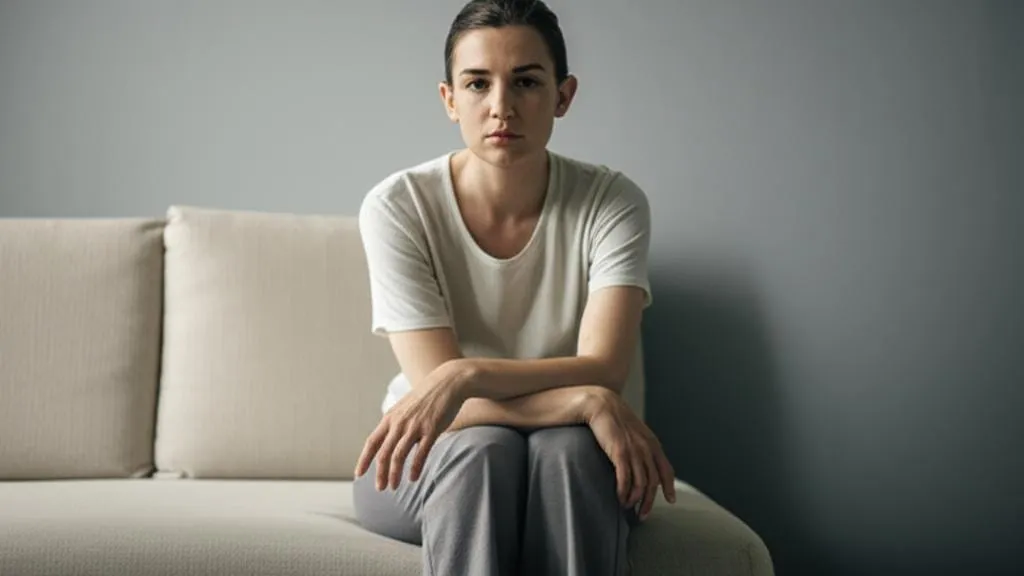
Sometimes we feel sad. It's normal. Sadness and regret that come with other events in life are normal feelings that we feel as humans. But if this sadness comes for no reason, is uncontrollable, and lasts for days or weeks, it may be more serious than we think. Today we are talking about this depression, or depression, and the common questions you have in your mind and the answers to them.
PHQ-9 depresión uñakipaña. Mä herramienta validada 9 jiskt’awinakampi sintoma depresivo ukanaka uñakipañataki. Sapa kutiw qullirir jisktʼasiñama, ukhamatwa uka usux kunjamas uk yatiñataki ukat qullañataki.
1. Is depression really a mental illness?
Yes, absolutely. Depression, or what doctors call it, Clinical Depression , is a serious, treatable mental illness. It's not a personal weakness, it's a medical condition that can affect anyone.
Think about it, it's normal to feel sad when you lose someone you love, or when you fail an exam. It gradually subsides over a few days. But, what doctors call Major Depressive Disorder is something different. It's a serious condition that requires professional diagnosis and treatment. It's more common in society than you might think.
2. Do young children also get depression?
Yes. Don't be surprised, young children can get depression too. The same factors that affect adults can affect children. For example, changes in physical health, traumatic life events (e.g., parental separation), genetic influences passed down from generation to generation, environmental influences, and imbalances in brain chemicals can all contribute to this.
Depression in children is different from the sadness and mood swings that are common for their age. A child with depression can experience long-term changes in their behavior . This disrupts their normal lifestyle. It can affect relationships with friends, schoolwork, hobbies, and family.
Sometimes when a child has depression, there may be other underlying conditions, such as attention deficit hyperactivity disorder (ADHD) or obsessive-compulsive disorder (OCD). Therefore, it is very important to pay close attention to the child.
3. Can lack of sleep cause depression?
No. Sleep deprivation alone is not a cause of depression, but it does play a major role . For example, if you are not getting enough sleep due to another illness or personal issues, it can make your depression worse. Also, prolonged sleep deprivation is a good indicator that someone may be depressed.
Let's look at some of the main causes of depression in this table.
| Possible cause of depression | A simple explanation |
|---|---|
| Family history | If someone in your family (mother, father, siblings) has had depression, you are at higher risk of developing it too. |
| Traumatic events | An exaggerated reaction to the death of a loved one, divorce, or separation. |
| Physical, sexual, or psychological abuse | Being subjected to this type of abuse as a child or recently. |
| Big changes in life | Big changes like moving, graduating, or retiring from work. |
| Serious illnesses | Chronic diseases such as cancer, heart disease, stroke, and HIV. |
| Drug and alcohol use | These can cause chemical changes in the brain and cause depression. |
| Social isolation | Isolation from family, friends, or social groups. |
4. Are there other ways to treat depression without medication?
Yes, there are some alternative treatments. However, their effectiveness has not yet been fully proven scientifically. These include dietary changes, lifestyle changes, and mental exercises.
Among these , exercise has recently received good evidence. It has been found that exercise can achieve good results for mild to moderate depression .
Other alternative treatments include acupuncture, yoga, meditation, and massage.
But remember, you should definitely talk to your doctor before starting anything like this. Sometimes these may not be suitable for your condition. So, don't do anything without medical advice.
5. Why are women more at risk of developing depression?
According to statistics, women are twice as likely to suffer from depression as men. One major reason for this may be the major changes in hormone levels that occur in women's bodies.
For example:
- During pregnancy
- After having a child
- After an abortion
- During menopause
- Premenstrual syndrome (PMS and PMDD)
During all of these times, there are major fluctuations in hormones, which can contribute to depression.
6. Is it true that some medications for depression interact with other things?
Yes, that story is true. You need to be especially careful if you're taking an older but very effective class of antidepressants called MAOIs (monoamine oxidase inhibitors). These are usually prescribed for severe depression and work by increasing the amount of chemicals that carry messages between nerve cells in the brain.
There are foods and other medications that should be avoided when taking this MAOI class of medication.
| What to avoid with MAOIs | Examples |
|---|---|
| Other antidepressants | All drugs in the SSRI category, such as Paxil and Prozac. |
| Some painkillers | Medications like Demerol and Tramadol. |
| Medicine for colds | Some cough syrups and nasal decongestants. |
| Some foods | Preserved cheeses and meats, pickled or smoked foods (sauerkraut), fermented foods (soy sauce, tap beer). |
Therefore, it is extremely important to tell your doctor about all the medications you are taking. He or she will explain to you the side effects and contraindications of these medications.
7. If you have depression once, can it happen again?
Experiencing major depression once increases the risk of having it again in the future. But not everyone who recovers from depression will have it again. Sometimes depression is triggered by a life event, illness, or a combination of factors that are unique to that moment. Sometimes it can occur for no apparent reason.
Getting the right treatment, for the right length of time, is the best way to recover and prevent future relapses.
8. How long does depression last?
If left untreated, various types of depression can last for months, sometimes even years.
- Major Depressive Episode: A cluster of symptoms that usually lasts for several months.
- Seasonal Affective Disorder (SAD): Usually lasts throughout the winter and improves in the spring and summer.
- Bipolar Disorder: A condition characterized by alternating periods of extreme happiness (mania) and extreme sadness (depression). This depressive state may persist until effective treatment is found.
- Dysthymia: This is a mild, sometimes undetectable depressive condition. It lasts for two years or more in adults. If left untreated, it can develop into major depression.
💡 Take-Home Message
- Depression is not a weakness of yours, it is a real medical condition that can be treated.
- There's a big difference between normal sadness and depression. If you're feeling uncontrollable sadness and a lack of life that lasts for weeks, be concerned.
- Depression can affect anyone, regardless of gender, including children, youth, adults, and women.
- If you suspect that you or someone you know is depressed, please see a doctor. That's the best thing you can do.
- It is very important to take the treatment prescribed by your doctor for the full duration. Do not stop halfway.
- You are not alone. There are people who can help you get through this. So don't be afraid to ask for help.






Janiw kuna arsuwinakas jichhakamax uñt’ayatäkiti. Aka chiqanx amuyt’awim jan ukax jiskt’awim yapxatañamawa.