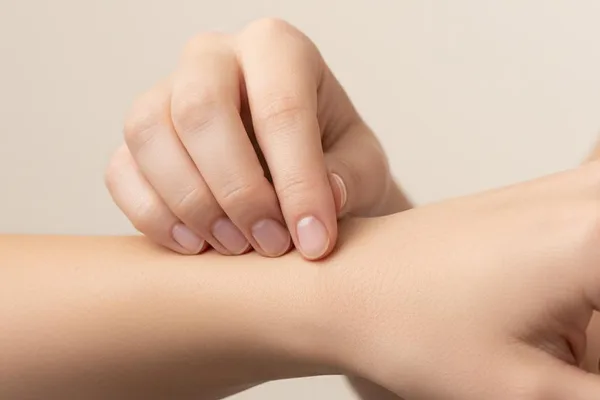
Do you know about this important artery located where you can feel your pulse? (Radial Artery)

Do you know about this important artery located where you can feel your pulse? (Radial Artery)

We all know how to feel your pulse at the base of your wrist. That's where you feel your heartbeat. But have you ever wondered what causes that pulsation in your fingertips, what the name of that blood vessel is, and how important it is to our body? Today we're going to talk about the ' Radial Artery ', which is located where you can feel your pulse, and which is very important in medicine.

Simply put, what is the Radial Artery?

The Radial Artery is a major blood vessel in your arm that runs from your elbow to your thumb. Simply put, it's one of the main veins that supplies clean, oxygenated blood to your forearm and hand.

Arteries are the blood vessels in our body that carry oxygenated blood from the heart to the rest of the body. Just like the main water supply system for a city. So this Radial Artery is also a very important pipe in that system.

Where is this artery located? What does it do?

At the elbow of your hand, the main artery in your upper arm (Brachial Artery) splits into two. It's like a big river splitting into two branches. These two branches are called the Radial Artery and the Ulnar Artery . Both of these run parallel to each other from the elbow to the wrist.

  • The Radial Artery runs along the side of the thumb.
  • The Ulnar Artery runs along the side of the little finger.

Together, these two supply blood to the lower part of our arm, palm, and fingers. This is because it is located very superficially to our skin, which is why we can easily feel the pulse at the wrist.

So let's see where exactly this radial artery supplies blood.

Blood supply The work that it does
Forearm muscles The blood that flows to these muscles provides the energy needed to bend, extend, and grasp objects.
Wrist bones and jointsProvides the necessary nutrition to keep the wrist healthy and mobile.
Thumb and index finger These two fingers are very important for us to do delicate work and to hold something firmly. They receive the necessary blood supply.
Radial Nerve It also provides oxygen and nutrition to this nerve, which controls hand movements and sensation.

Why do doctors use this radial artery?

This is the most important part. Because the radial artery is located just above the skin and can easily be inserted into the body through it, doctors use this artery for many important medical tests and treatments.

1. Heart disease tests and treatments (Transradial Access)

This is the most common use case. A catheter (a thin tube like a sugar cane) needs to be inserted into the body to do things like an angiogram, which checks for blockages in the heart's blood vessels, or an angioplasty, which opens blocked arteries.

In the past, this was mostly done through the femoral artery. But now, doctors are increasingly using the radial artery. This is called transradial access . It has several advantages:

  • Less bleeding: Bleeding from the wrist is easier to control than from the groin.
  • Less pain and discomfort: The patient can walk around quickly after the treatment. If the procedure is done in the groin, the patient will have to stay in bed for hours.
  • Quick recovery: You can go home from the hospital quickly.

Imagine how convenient it would be to be able to get up quickly and get to work, instead of having to stay in bed for hours like before?

2. Pulse Check

As we discussed earlier, this is the easiest and most common place to measure your heart rate.

3. Blood tests (Arterial Blood Gas)

Sometimes, especially in patients with breathing difficulties and in intensive care units (ICUs), it is necessary to know the exact level of oxygen and carbon dioxide in the blood. This cannot be measured accurately with blood taken from veins. For this, blood must be taken from an artery. This is also the most commonly used for this purpose.

4. Regular blood pressure measurement (Arterial Cannulation)

In critically ill patients, the blood pressure needs to be monitored continuously, second by second. At that time, doctors insert a small tube (arterial line) into this artery and connect it to a monitor.

5. For kidney patients (Arteriovenous - AV Fistula)

Patients with kidney failure need to have their blood cleaned (dialysis). This involves taking blood from the body, cleaning it with a machine, and returning it to the body. This requires a strong blood vessel. Sometimes, doctors surgically connect the radial artery to a nearby vein, creating an AV fistula . This strengthens the vein and makes it easier to do dialysis.

Are there any medical conditions that affect this artery?

Unlike the larger arteries in our body, the radial artery is less likely to develop atherosclerosis, which is caused by fatty deposits. This is because it is a relatively small artery located at the end of the body.

However, as mentioned above, very rarely, this artery can become blocked (occluded) after catheterization treatments. If this happens, blood supply to the hand and fingers can be reduced, causing numbness or nerve damage. However, this is very rare.

The best thing is that we have both the Radial Artery and the Ulnar Artery to supply blood to our hand, so even if one is damaged, the other artery can continue to supply blood to the hand.

How do you keep your entire circulatory system, including your radial artery, healthy?

You don't need to do anything special for this. The same things you do to keep your heart and entire circulatory system healthy are important for this.

  • Be active: Exercise more days a week. Even something like walking, running, or swimming is good.
  • Eat heart-healthy foods: Eat a diet low in oil, salt, and sugar, and high in fruits and vegetables.
  • Avoid smoking: Smoking is the biggest enemy of blood vessels. So if you smoke, quit.

When to see a doctor

This artery is usually nothing to worry about. However, if you have had any medical procedures (such as an angiogram) through your wrist and develop these symptoms afterward, call your doctor immediately.

SymptomPossible meaning
Numbness in the hand or palm There may be a decrease in blood supply or some effect on a nerve.
Loss of hand strength, inability to grasp objects There may be insufficient blood supply to the muscles or nerves.
Loss of feeling in the hand or fingers This may also be due to the effect on the nerves.
Feeling like ants are crawling on your hands for no reason It could be a sign of a change in blood circulation or nerve function.

Take-Home Message

  • The Radial Artery is an important artery that runs through your wrist, on the side of your thumb. We use this to check our pulse.
  • This supplies oxygen-rich blood to your lower arm and palm.
  • Doctors use this artery a lot for things like heart tests (angiograms), blood pressure measurements, and dialysis.
  • With good lifestyle habits (exercise, good diet, and avoiding smoking), you can keep this artery and your entire circulatory system healthy.
  • Since you have two arteries (Radial and Ulnar) that supply blood to your hand, even if one is damaged, the other can still do its job. So there's nothing to worry about.

Radial Artery, radial artery, arm vein, pulse, heart rate, Angiogram, Transradial Access, blood pressure
⚠️ Important: The medical articles and information on Nirogi Lanka are for general awareness only, and are by no means a substitute for professional medical advice, diagnosis, or treatment. For any medical problem you have, consult a qualified physician immediately.

💬 Comments (0)

No comments have been posted yet. Add your comment here for the first time.

Add your comment

Please calculate: 8 + 8 =
Do you know about this important artery located where you can feel your pulse? (Radial Artery)
How the Body WorksJuly 7, 2026

Do you know about this important artery located where you can feel your pulse? (Radial Artery)

We all know how to feel your pulse at the base of your wrist. That's where you feel your heartbeat. But have you ever wondered what causes that pulsation in your fingertips, what the name of that blood vessel is, and how important it is to our body? Today we're going to talk about the ' Radial Artery ', which is located where you can feel your pulse, and which is very important in medicine.

Simply put, what is the Radial Artery?

The Radial Artery is a major blood vessel in your arm that runs from your elbow to your thumb. Simply put, it's one of the main veins that supplies clean, oxygenated blood to your forearm and hand.

Arteries are the blood vessels in our body that carry oxygenated blood from the heart to the rest of the body. Just like the main water supply system for a city. So this Radial Artery is also a very important pipe in that system.

Where is this artery located? What does it do?

At the elbow of your hand, the main artery in your upper arm (Brachial Artery) splits into two. It's like a big river splitting into two branches. These two branches are called the Radial Artery and the Ulnar Artery . Both of these run parallel to each other from the elbow to the wrist.

  • The Radial Artery runs along the side of the thumb.
  • The Ulnar Artery runs along the side of the little finger.

Together, these two supply blood to the lower part of our arm, palm, and fingers. This is because it is located very superficially to our skin, which is why we can easily feel the pulse at the wrist.

So let's see where exactly this radial artery supplies blood.

Blood supply The work that it does
Forearm muscles The blood that flows to these muscles provides the energy needed to bend, extend, and grasp objects.
Wrist bones and jointsProvides the necessary nutrition to keep the wrist healthy and mobile.
Thumb and index finger These two fingers are very important for us to do delicate work and to hold something firmly. They receive the necessary blood supply.
Radial Nerve It also provides oxygen and nutrition to this nerve, which controls hand movements and sensation.

Why do doctors use this radial artery?

This is the most important part. Because the radial artery is located just above the skin and can easily be inserted into the body through it, doctors use this artery for many important medical tests and treatments.

1. Heart disease tests and treatments (Transradial Access)

This is the most common use case. A catheter (a thin tube like a sugar cane) needs to be inserted into the body to do things like an angiogram, which checks for blockages in the heart's blood vessels, or an angioplasty, which opens blocked arteries.

In the past, this was mostly done through the femoral artery. But now, doctors are increasingly using the radial artery. This is called transradial access . It has several advantages:

  • Less bleeding: Bleeding from the wrist is easier to control than from the groin.
  • Less pain and discomfort: The patient can walk around quickly after the treatment. If the procedure is done in the groin, the patient will have to stay in bed for hours.
  • Quick recovery: You can go home from the hospital quickly.

Imagine how convenient it would be to be able to get up quickly and get to work, instead of having to stay in bed for hours like before?

2. Pulse Check

As we discussed earlier, this is the easiest and most common place to measure your heart rate.

3. Blood tests (Arterial Blood Gas)

Sometimes, especially in patients with breathing difficulties and in intensive care units (ICUs), it is necessary to know the exact level of oxygen and carbon dioxide in the blood. This cannot be measured accurately with blood taken from veins. For this, blood must be taken from an artery. This is also the most commonly used for this purpose.

4. Regular blood pressure measurement (Arterial Cannulation)

In critically ill patients, the blood pressure needs to be monitored continuously, second by second. At that time, doctors insert a small tube (arterial line) into this artery and connect it to a monitor.

5. For kidney patients (Arteriovenous - AV Fistula)

Patients with kidney failure need to have their blood cleaned (dialysis). This involves taking blood from the body, cleaning it with a machine, and returning it to the body. This requires a strong blood vessel. Sometimes, doctors surgically connect the radial artery to a nearby vein, creating an AV fistula . This strengthens the vein and makes it easier to do dialysis.

Are there any medical conditions that affect this artery?

Unlike the larger arteries in our body, the radial artery is less likely to develop atherosclerosis, which is caused by fatty deposits. This is because it is a relatively small artery located at the end of the body.

However, as mentioned above, very rarely, this artery can become blocked (occluded) after catheterization treatments. If this happens, blood supply to the hand and fingers can be reduced, causing numbness or nerve damage. However, this is very rare.

The best thing is that we have both the Radial Artery and the Ulnar Artery to supply blood to our hand, so even if one is damaged, the other artery can continue to supply blood to the hand.

How do you keep your entire circulatory system, including your radial artery, healthy?

You don't need to do anything special for this. The same things you do to keep your heart and entire circulatory system healthy are important for this.

  • Be active: Exercise more days a week. Even something like walking, running, or swimming is good.
  • Eat heart-healthy foods: Eat a diet low in oil, salt, and sugar, and high in fruits and vegetables.
  • Avoid smoking: Smoking is the biggest enemy of blood vessels. So if you smoke, quit.

When to see a doctor

This artery is usually nothing to worry about. However, if you have had any medical procedures (such as an angiogram) through your wrist and develop these symptoms afterward, call your doctor immediately.

SymptomPossible meaning
Numbness in the hand or palm There may be a decrease in blood supply or some effect on a nerve.
Loss of hand strength, inability to grasp objects There may be insufficient blood supply to the muscles or nerves.
Loss of feeling in the hand or fingers This may also be due to the effect on the nerves.
Feeling like ants are crawling on your hands for no reason It could be a sign of a change in blood circulation or nerve function.

Take-Home Message

  • The Radial Artery is an important artery that runs through your wrist, on the side of your thumb. We use this to check our pulse.
  • This supplies oxygen-rich blood to your lower arm and palm.
  • Doctors use this artery a lot for things like heart tests (angiograms), blood pressure measurements, and dialysis.
  • With good lifestyle habits (exercise, good diet, and avoiding smoking), you can keep this artery and your entire circulatory system healthy.
  • Since you have two arteries (Radial and Ulnar) that supply blood to your hand, even if one is damaged, the other can still do its job. So there's nothing to worry about.

Radial Artery, radial artery, arm vein, pulse, heart rate, Angiogram, Transradial Access, blood pressure
⚠️ Important: The medical articles and information on Nirogi Lanka are for general awareness only, and are by no means a substitute for professional medical advice, diagnosis, or treatment. For any medical problem you have, consult a qualified physician immediately.

💬 Comments (0)

No comments have been posted yet. Add your comment here for the first time.

Add your comment

Please calculate: 8 + 8 =