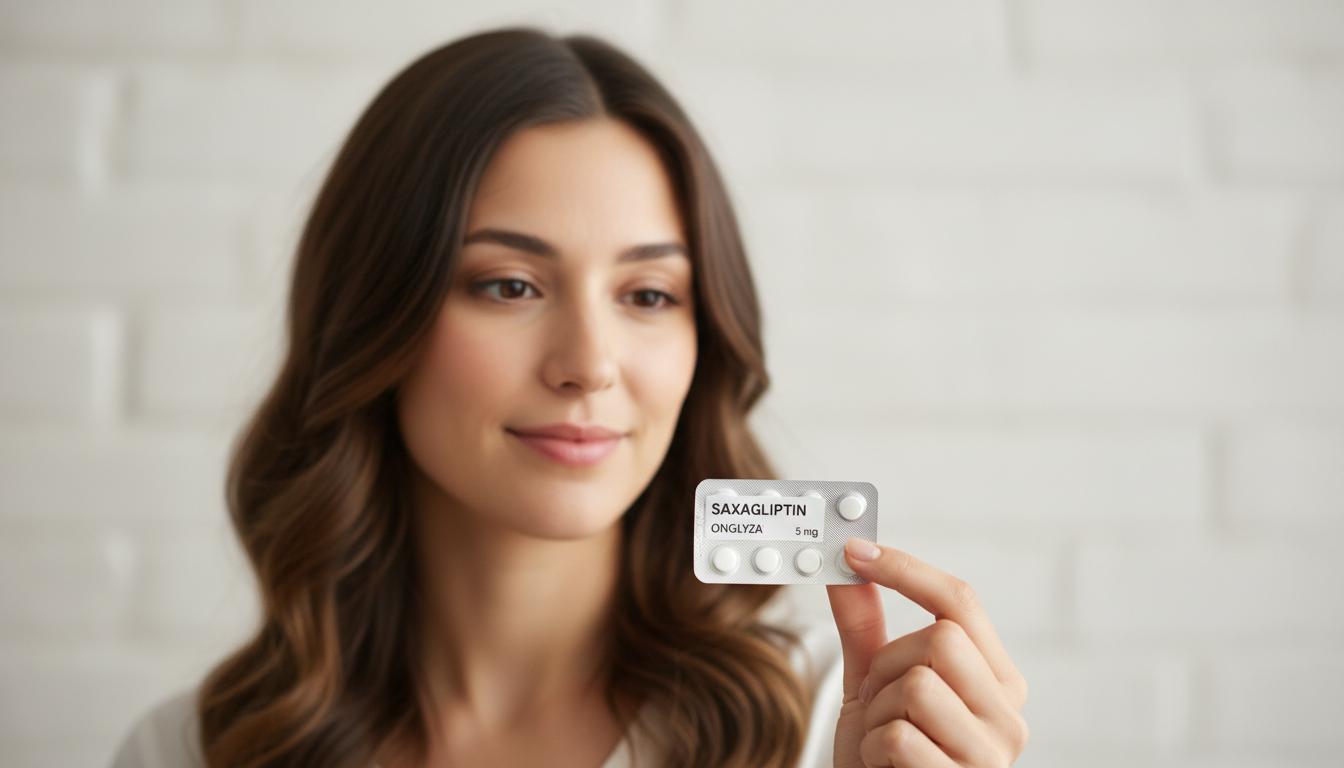
Are you or someone you care about living with Diabetes (Diabetes Mellitus)? Navigating life with diabetes requires diligence, but with proper management, you can lead a full and normal life. Today, we want to talk about Saxagliptin, a medication used to treat Type 2 Diabetes. Let's break down what this medication is, how it works, and what you need to keep in mind, in simple, easy-to-understand terms.
What exactly is Saxagliptin?
In simple terms, Saxagliptin is a prescription tablet for individuals with Type 2 Diabetes Mellitus. You may know that your body uses a hormone called Insulin to regulate your blood sugar levels. In Type 2 Diabetes, either your body doesn't use insulin effectively, or it doesn't produce enough of it.
Saxagliptin works by increasing your body's insulin levels to help lower your blood sugar. Additionally, it helps decrease the amount of sugar produced by your liver. It's quite an effective tool, isn't it?
However, the most important thing to remember is that medication alone is not enough. A healthy diet and regular exercise must go hand-in-hand with this treatment. Your doctor will provide you with specific guidance on this. You might receive this medication under the brand name Onglyza.
What should I discuss with my doctor before starting this medication?
Before you start taking Saxagliptin, there are several key points you must discuss with your doctor. This ensures your doctor can determine if this is the right treatment for you and how best to manage your dosage. Here is what you should cover:
- Have you ever experienced Diabetic Ketoacidosis, a serious complication of diabetes?
- Do you have any heart disease or a history of heart failure?
- Do you have any kidney disease?
- Have you ever had Pancreatitis (inflammation of the pancreas)?
- Have you ever had a severe allergic reaction to any food, medicine, or dye—symptoms such as swelling of the tongue, face, or lips, difficulty breathing, voice changes, or throat tightness?
- Do you have Type 1 diabetes? (Saxagliptin is generally for Type 2 diabetes only).
- Are you allergic to any specific preservatives or ingredients in medications?
- Are you pregnant or trying to become pregnant?
- Are you breastfeeding?
Please be completely open with your doctor about these details.
How should I take this medication properly?
Using this medication is straightforward:
- Swallow the tablet with a glass of water.
- You may take it with or without food; either is acceptable.
- Most importantly, take it at the same time every day to maintain consistent levels in your body.
- Do not crush, chew, or break the tablet. Swallow it whole.
- Take only the dose prescribed by your doctor. Do not take extra.
- Do not stop taking this medication suddenly without consulting your doctor.
When you pick up your medication from the pharmacy, you will receive a MedGuide. Make sure to read it every time you receive a new supply, as it contains important information regarding your treatment.
If this medication is being considered for a child, please discuss the specific risks and benefits thoroughly with your doctor.
What if I take too much?
If you suspect you have accidentally taken more than your prescribed dose, contact your local emergency services (911) or go to the nearest hospital emergency department immediately. Do not delay.
What if I miss a dose?
If you miss a dose, take it as soon as you remember. However, if it is almost time for your next scheduled dose, skip the missed one and continue with your regular schedule. Never take two doses (a double dose) to make up for a missed one.
Are there other medications that interact with this?
This is a critical point. Some medications can cause complications if taken with Saxagliptin.
- Do not take Gatifloxacin while on Saxagliptin.
Other medications that may interact with Saxagliptin include:
- Alcohol
- Atazanavir
- Clarithromycin
- Indinavir
- Insulin (if you are already on insulin therapy)
- Itraconazole
- Ketoconazole
- Nefazodone
- Nelfinavir
- Ritonavir
- Saquinavir
- Sulfonylureas (e.g., glimepiride, glipizide, glyburide)
- Telithromycin
This list is not exhaustive. It is vital to tell your doctor about every medication you take—including prescription drugs, over-the-counter medicines, vitamins, herbal supplements, and traditional remedies. Additionally, disclose if you use alcohol, smoke, or use other substances, as these can also interact with your treatment.
Stay mindful while taking this medication
While taking Saxagliptin, it is good practice to remain attentive to your overall health and any changes you may experience.
- Schedule regular check-ups with your doctor to monitor your condition. Your doctor will evaluate how the medication is affecting you and whether your blood sugar levels are being effectively controlled.
- You will likely need an HbA1C (A1C) test. This is a simple blood test that measures your average blood sugar control over the past 2–3 months. Your doctor will typically ask you to perform this test every 3 months.
- Learn how to monitor your blood sugar levels at home. Additionally, make sure you understand the symptoms of low blood sugar (hypoglycemia) and high blood sugar (hyperglycemia), as well as how to manage them.
- For example, if you are at home and suddenly feel sweaty, shaky, extremely hungry, or lightheaded, these could be signs that your blood sugar has dropped (hypoglycemia). You can use a blood glucose monitor to check your levels with a single drop of blood; your doctor will teach you how to use it correctly.
- Always keep a fast-acting sugar source, like glucose tablets or hard candy, on hand in case you experience symptoms of low blood sugar.
- Explain to your family or those around you that if you experience severe low blood sugar (e.g., seizures or loss of consciousness), they should not attempt to feed you as it could cause choking. In such cases, seek immediate emergency medical assistance.
- If your blood sugar levels are consistently high (e.g., you experience dry mouth, frequent thirst, or frequent urination), inform your doctor. They may need to adjust your medication dosage.
- If you are feeling ill or exercising more than usual, your medication dosage might need to be adjusted. Discuss this with your doctor.
- Do not skip meals.
- Ask your doctor about alcohol consumption. They may advise you to avoid alcohol entirely.
- Some over-the-counter cold and cough medications may contain sugar or alcohol, which can affect your blood sugar levels. Always consult your doctor or pharmacist before taking such medications.
- Wear a medical ID bracelet or carry a card listing your condition, medications, dosages, and administration times. This is vital in case of an emergency.
What are the possible side effects of this medication?
Like any medication, Saxagliptin may cause side effects, though not everyone experiences them. Some side effects are serious; if you experience these, notify your doctor immediately. Let’s look at what they are.
Side effects requiring immediate medical attention:
- Allergic reactions: Skin rashes, itching, swelling of the face, lips, tongue, or throat, and difficulty breathing.
- Heart failure symptoms: Shortness of breath, swelling in your ankles, feet, or hands, sudden weight gain, or unusual fatigue. For example, if you find it harder than usual to climb stairs or if your feet are so swollen that your shoes are tight.
- Pancreatitis: Severe pain in the upper abdomen that may radiate to your back. This pain may worsen after eating or when the abdomen is touched. You may also experience fever, nausea, or vomiting.
- Severe skin reactions: Redness, blistering, or peeling of the skin, which can also occur inside the mouth.
- Severe joint pain.
- Urinary tract infection (UTI) symptoms: Burning during urination, frequent/urgent urination, blood in urine or cloudy urine, or pain in the lower abdomen or sides.
If you experience any of these symptoms, do not wait; seek medical care immediately.
Common, less serious side effects that should still be reported to your doctor:
Other minor side effects may occur. These are usually not serious, but it is best to inform your doctor if they persist or become bothersome.
- Headache
- Runny or stuffy nose
- Sore throat
This list is not exhaustive. If you experience anything else unusual, discuss it with your doctor.
How should you store your medication?
Proper storage is very important.
- Keep it out of the reach of children and pets.
- Store at room temperature (between 15°C and 30°C / 59°F and 86°F). Avoid areas with extreme heat or cold.
- Do not use expired medication. Dispose of it safely.
This information is only a summary of Saxagliptin. If you have further questions, do not hesitate to ask your doctor, pharmacist, or healthcare provider.
What are the most important things to remember from this guide?
Here are the key points to keep in mind regarding Saxagliptin:
- Saxagliptin is a medication used for people with Type 2 Diabetes.
- It works by increasing insulin levels and lowering blood sugar.
- Diet and exercise are essential components of your treatment while taking this medication.
- Before starting, inform your doctor about other health conditions, allergies, and medications you are taking.
- Take the medication exactly as prescribed at the right time. Do not cut, crush, or chew the tablets.
- Report serious side effects (like heart failure, pancreatitis, or allergic reactions) to your doctor immediately.
- Monitor your blood sugar levels regularly and stay informed about the signs of hypoglycemia and hyperglycemia.
- Do not stop taking the medication without your doctor's advice.
Living with diabetes can be challenging, but with proper management, you can lead a healthy, happy life. Saxagliptin is just one tool to assist you on this journey. Work closely with your doctor to create the treatment plan best suited for you, brought to you by Nirogi Lanka.
Diabetes, Saxagliptin, Onglyza, blood sugar, insulin, side effects, medication