
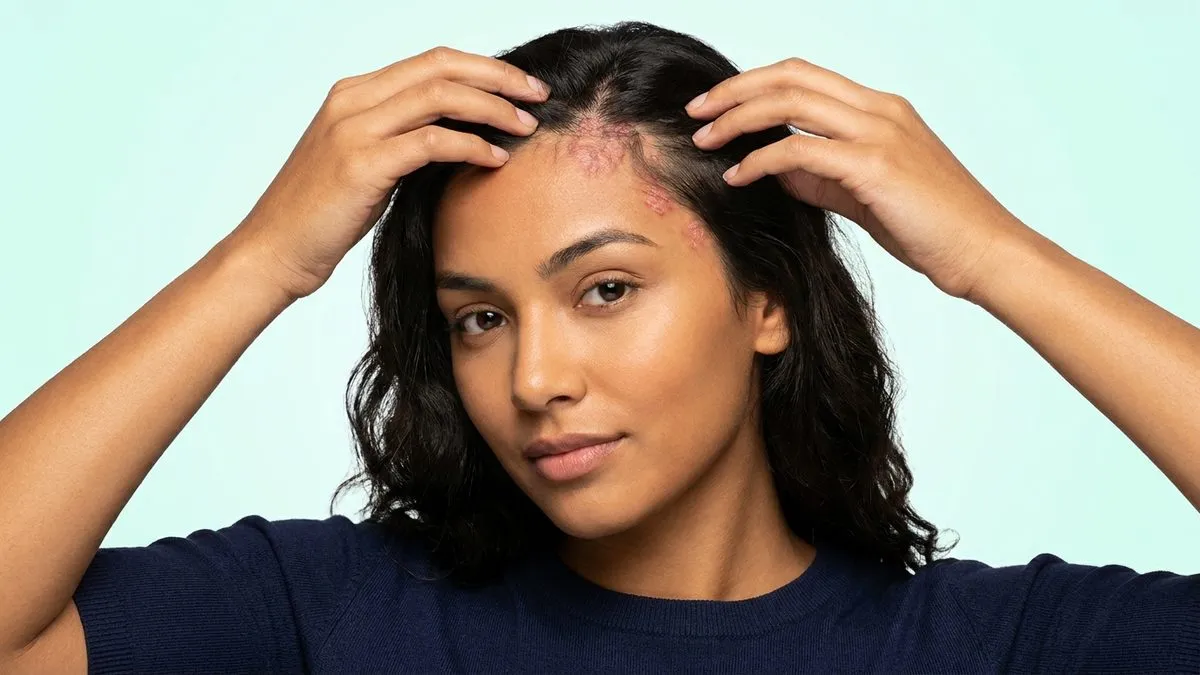
Do you constantly scratch your head? Or does your scalp feel flaky, red, and have small blisters? There can be many reasons for these things. However, sometimes we don't pay much attention to this, but it can be a little annoying. It is an infection caused by a small organism called (Yeast) that grows on the scalp. To be precise, the type of yeast called (Candida) is mainly responsible for this. We also call this condition (Candidiasis) in medical terms. So today, let's learn exactly about this "Scalp Yeast Infection" (Scalp Yeast Infection).
What is this scalp yeast infection?
Simply put, a scalp yeast infection is a yeast infection that occurs on the skin of your head. Yeast is a type of fungus. Yeast infections that occur on our skin are commonly called candidiasis. This fungal infection called candidiasis can actually occur anywhere on our body, inside or outside. The main cause of this is a type of yeast called candida.
Did you know that on our skin, that is, on the scalp, there are various types of small organisms that usually live without any problems. Among these are yeasts like (Candida). This is very normal, and for a healthy person, this does not cause any problems. However, if somehow this (Candida) yeast accumulates too much and gets a chance to grow, then that is when the problem begins. This yeast can go through the surface of the skin and cause an infection.
Why do these scalp yeast infections occur?
Most often, scalp yeast infections, or candidiasis, are caused by a type of yeast called Candida. Candida thrives in warm, moist environments. Your scalp normally has a balance of yeast and bacteria. These bacteria keep the yeast from growing too much. However, sometimes this balance can be disrupted, allowing Candida to overgrow.
Here are some reasons why Candida can grow:
- Hot and humid climate: This is common in countries like Sri Lanka. If your head is constantly sweating and you are exposed to humidity, it is easy for yeast to grow.
- Some personal care products: Shampoos and conditioners that contain harsh chemicals can also disrupt the balance of the scalp.
- Small scratches and wounds on the scalp: These areas provide a pathway for yeast to enter the skin.
- Skin diseases: People with skin diseases such as (Intertrigo) (an infection that occurs in the folds of the skin) and (Psoriasis) (scaly patches) are also at higher risk.
- Follicular Occlusion Syndrome: This occurs when the hair follicles (hair follicles) become blocked by keratin, a protein found in hair. When this happens, they burst and become inflamed.
- Excessive sweating (Hyperhidrosis): This problem can also occur in people who sweat on their heads frequently.
These people are at greater risk.
Certain groups of people are more likely to develop scalp yeast infections. These include:
- Pregnant mothers.
- People taking antibiotics: Antibiotics can kill the good bacteria on our skin, allowing the yeast (Candida) to grow.
- People undergoing treatment for cancer: For example, chemotherapy.
- People with an unhealthy diet: If they frequently eat foods high in sugar and starch (things like rice and bread that we eat are high in starch).
- People suffering from stress.
Also, people with weakened immune systems are more likely to develop yeast infections. This can be caused by medical conditions such as diabetes mellitus or the use of medications that suppress the immune system.
What are the symptoms of a scalp yeast infection?
When you have a yeast infection on your scalp, the main symptoms are itching and red/purple spots on your skin. These spots can come in a variety of shapes. Sometimes, these spots can crack and form a crust. These crusts can also cause hair loss .
Additionally, you may see things like:
- White, peeling skin.
- Shedding of the scalp.
- Thick, white or yellow, oily spots.
- Soft, white, moist areas.
- Small blisters filled with white and red pus.
Is this contagious?
Usually, scalp yeast infections are not contagious. However, if you have a weakened immune system, it's a good idea to be a little careful around people who have yeast infections. People with weakened immune systems are more likely to catch the infection more easily.
How do you recognize this exactly?
When you go to see a doctor, the first thing he or she will do is examine your scalp. The doctor may be able to confirm that it is a yeast infection by looking at the red or purple spots on your scalp.
But sometimes, the doctor may want to take a skin sample from the infected area and test it . To do this, they use a tongue depressor or a scalpel, which is a small knife-like device, to gently scrape off a small amount of skin. Then, the sample is examined under a microscope in a laboratory. Sometimes, the sample can be cultured. This can help determine exactly what type of fungus is present.
How is it treated?
To treat a yeast infection on the scalp, your doctor may prescribe an antifungal medication. These can come in the form of a shampoo, foam, or cream. Many antifungal medications are available over-the-counter at pharmacies. However, if your doctor feels it is necessary, they may prescribe a stronger, more potent antifungal medication.
The most important thing is to keep your scalp clean and dry during treatment. This will also help prevent a yeast infection from recurring.
Some people try to treat this with home remedies. However, there is not much research on these home remedies. Therefore , it is important to consult a doctor before trying any home remedy. Some home remedies include:
- Apple cider vinegar.
- Coconut oil.
- Essential oils.
- Shampoo containing tea tree oil.
How can this be prevented from happening?
Maintaining good hygiene can help prevent scalp yeast infections. Always keep your scalp clean and dry. In addition:
- Limit the use of antibiotics and corticosteroids (unless prescribed by a doctor).
- Wear hats, hoods, and scarves only when absolutely necessary. Keeping your head covered all the time can cause sweat to accumulate and increase humidity.
- Eat a healthy diet. Reduce your intake of sugar, starch, and alcohol.
What happens if I have a yeast infection on my scalp?
Healthy people can usually treat it with antifungal shampoos, foams, or creams. Sometimes, yeast infections of the scalp can clear up on their own without any treatment . You can treat it at home and keep your scalp clean and dry.
How long will it take for this to heal?
Your scalp yeast infection may start to clear up within about two weeks of starting antifungal treatment. However, some infections may take longer, perhaps up to two months , to clear up.
What complications can occur if left untreated?
Scalp yeast infections usually clear up quickly if treated. However, if left untreated, the following can happen:
- Accumulation of dead, flaky skin.
- Damage to hair follicles (the roots of the hair shafts).
- Hair loss.
Very rarely, untreated candidiasis can spread to other parts of the body and cause serious medical complications. This can affect your bones, internal organs, digestive system, circulatory system, eyes, and mouth.
💡 Finally, I have to say... (Take-Home Message)
A scalp yeast infection can be really itchy and annoying. But the good news is,This is easily treated with antifungal medications (such as shampoos, foams, and ointments). You can also prevent such infections by taking care of your scalp's hygiene and keeping it clean and dry.
If you have itchy, flaky scalp, see a doctor right away. He or she can diagnose whether you have a yeast infection on your scalp and recommend a treatment plan that's right for you. Get well soon!






Janiw kuna arsuwinakas jichhakamax uñt’ayatäkiti. Aka chiqanx amuyt’awim jan ukax jiskt’awim yapxatañamawa.