
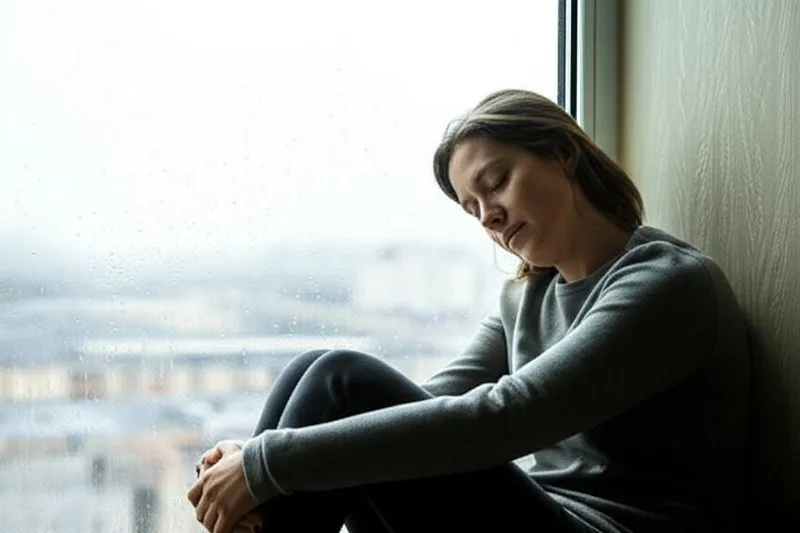
We all love to look out the window on a sunny day and the sky is blue, right? It makes us happy to see birds and trees. But for some people, especially during the rainy season and on days when there is little sunlight, when they look out the window, they don't feel that kind of happiness, but a great burden and sadness. They think, "Isn't there any sun today? Will it shine tomorrow?" They feel like sleeping all day. They feel like they're stuck. Have you ever felt something like this?
This is not just a feeling of sadness. This is a medically known mental condition. We call it Seasonal Affective Disorder , or (SAD) for short. Simply put, this is a type of depression that occurs during certain times of the year. In Sri Lanka, we often see this condition during the continuous rainy season and when there is less sunlight. Because the main reason for this is that our skin receives less sunlight. However, for some people, this condition can also occur during sunny and hot seasons.
What is the difference between this and SAD?
It's normal to feel a little down and a little bored during the rainy season. It's something that almost everyone feels. But for it to be SAD, these symptoms have to be present for several days in a row. And it has to interfere with your daily activities.
Think about it this way. You don't feel like doing your usual activities. You feel very tired all the time. You also have a strong craving for certain foods, especially foods high in carbohydrates like rice, bread, and noodles. These symptoms last for days, sometimes months. When the sun comes out and the weather gets better, these symptoms gradually disappear.
If you're in a situation like this, don't dismiss it as "just boredom" because it can affect your mental health.
If you notice a change in your family or friend, for example, if they are constantly avoiding their regular activities or if they are not feeling their usual self, ask them, "How are you?" If you are having persistent sleep problems or feeling sad, it is best to see a doctor for advice. Asking for help does not necessarily mean that you have SAD, but it is important to address any ongoing health issues.
If SAD is suspected, what tests does the doctor perform?
The symptoms of SAD can vary from person to person. Also, because these symptoms can be seen in other illnesses, your doctor will likely rule out other causes before concluding that you have SAD.
Simply put, the first thing to do is to check if there is any other underlying medical condition in the body.
| What is being tested? | Why is that? (Reason) |
|---|---|
| Thyroid function test | Low thyroid hormone levels (Hypothyroidism) can cause symptoms such as fatigue and depression. |
| Anemia | Even if you don't have enough blood in your body, you may still feel tired and sleepy. |
| Vitamin D level | It is common to experience a decrease in vitamin D during periods of low sunlight. This can directly affect mood. |
| Other mood disorders | Other mental illnesses, such as bipolar depression, can have similar symptoms. |
Only after conducting basic medical tests like this and confirming that there is no other cause will the doctor focus on the SAD condition.
What are the treatments for SAD?
Fortunately, there are several effective treatments that can help manage SAD.
- Sun exposure: Whenever possible, especially in the morning, go outside and spend some time. Go for a walk, or just sit outside. This is the simplest and best remedy.
- Phototherapy: This involves spending 20-30 minutes a day in front of a special light box that emits light similar to sunlight. This light helps to change brain chemicals and improve mood. However, this should only be used under the guidance of a doctor.
- Medication: In some cases, the doctor may prescribe antidepressants.
- Other treatments:Some people have had success with acupuncture and supplements like 5-HTP. However, the effectiveness of these is still being researched, so it's important to talk to your doctor before trying anything.
Can this condition be controlled with lifestyle changes?
Yes, absolutely. In addition to treatment, this condition can be controlled to a great extent by making small changes to your lifestyle.
Diet
Some people have found good results by cutting out gluten, processed foods, alcohol, and sugar. But keep in mind that these dietary changes are not yet proven to be a treatment for SAD. Therefore, it is wise to talk to a doctor or nutritionist before making any major changes.
Exercise and calming the mind
Things like yoga and walking can help a lot. Exercising daily increases the production of endorphins in the body, which improves your mood. Also, things like meditation and walking barefoot outdoors (grounding) can help calm the mind.
"Your body is always talking to you. Listen to it. If you're tired, rest. If you're sad, talk to someone about it."
Often, especially for mothers, fathers, and those who are carrying the burden of the family, thinking about their health is the last thing on their minds. Learning to admit that they need help and say, "I can't do this" is an important step on this journey.
Take-Home Message
- Seasonal Affective Disorder (SAD) isn't just a feeling of sadness or boredom. It's a real medical condition that requires treatment.
- If there is a persistent change in your mood, sleep, or appetite as the weather changes, don't take it lightly.
- See your family doctor immediately. He or she will rule out other medical conditions and provide you with the necessary guidance.
- Lifestyle changes such as sun exposure, exercise, and a balanced diet can help control this condition.
- Make your mental health a priority. Never be afraid to ask for help.


💬 Comments (0)
No comments have been posted yet. Add your comment here for the first time.
Add your comment