
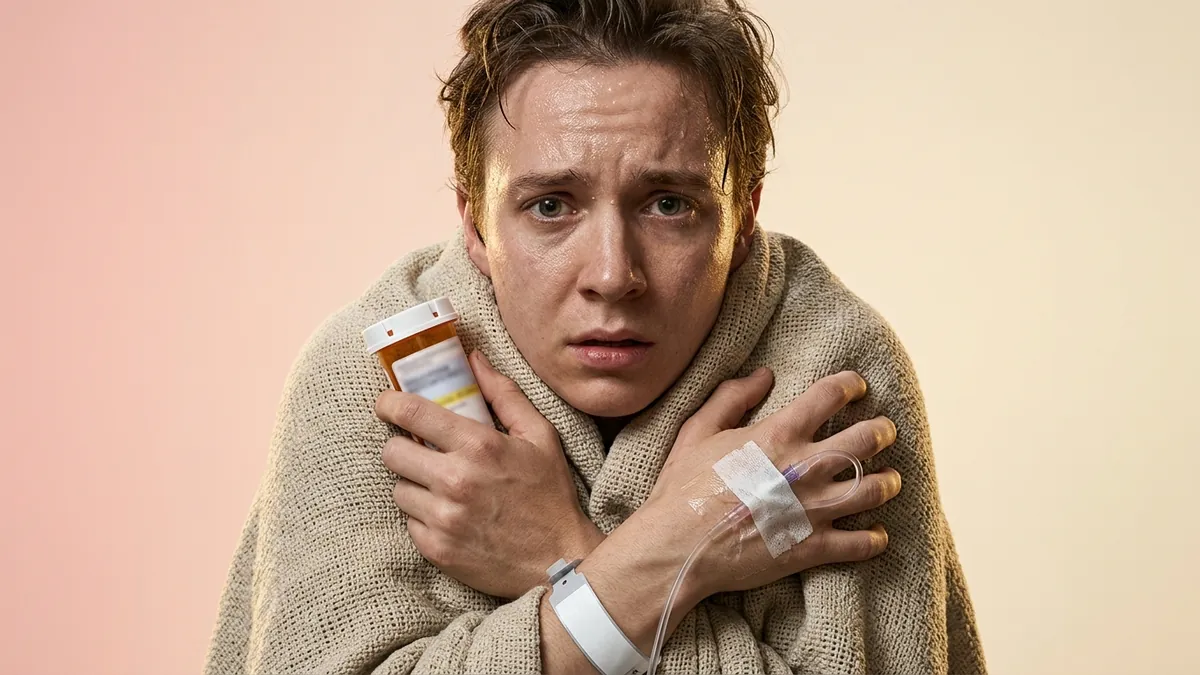
Are you taking medication for depression, anxiety, or another medical condition? Then this article is very important for you. Sometimes, one or more medications we take can cause our body to produce too much of a chemical called serotonin. This is what doctors call serotonin syndrome . While the name may seem complicated at first glance, it's something we all need to know. Let's take a look at what it is, why it's dangerous, and how we can protect ourselves.
First of all, what is Serotonin?
Simply put, serotonin is a chemical that our bodies make inside us. To be precise, it's like a little messenger that carries messages between the cells in our nervous system. In medical terms, we call this a neurotransmitter.
It performs many important functions in our body. For example:
- Controls your happiness and mood .
- Helps you get a good night's sleep .
- Improves memory and learning ability .
- Controls body temperature .
- Food stimulates appetite .
Many people think that serotonin is only found in the brain. But in fact, 90% of the serotonin in our body is found in the gut. Only about 10% is produced in the brain. Researchers believe that one of the causes of conditions like depression is a decrease in serotonin levels in the brain. However, if this increases too much, it can overstimulate nerve cells and cause dangerous symptoms. This is what we call serotonin syndrome.
What are the symptoms of serotonin syndrome?
These symptoms usually appear within a few hours of starting a new medication that affects serotonin levels, or increasing the dose of an existing medication.
| Common symptoms | |
|---|---|
| Mental and behavioral changes | Confusion, restlessness, agitation. |
| Physical changes | Dilated pupils, headache, changes in blood pressure and body temperature, nausea, vomiting, diarrhea. |
| Symptoms related to the nervous system | Rapid heartbeat, tremors, loss of muscle control or twitching, muscle stiffness, feeling cold and clammy, and excessive sweating. |
| Attention: These are serious, potentially life-threatening symptoms! | |
| Very high fever, seizures, irregular heartbeat, passing out. | |
If you experience any of the following symptoms : very high fever, seizures, irregular heartbeat, or loss of consciousness , it is a medical emergency. Go to a hospital's Emergency Department (ETU) immediately or call an ambulance. This can be fatal if not treated promptly.
What causes this condition?
This is often caused by medications, especially when two or more medications that affect serotonin levels are used together.
Main culprits: Antidepressants
- SSRIs (Selective Serotonin Reuptake Inhibitors): These are the most commonly prescribed type of antidepressant. They increase serotonin levels in the brain. Examples: Citalopram, Escitalopram (Lexapro), Fluoxetine (Prozac), Sertraline (Zoloft).
- SNRIs (Serotonin and Norepinephrine Reuptake Inhibitors): This is another type of antidepressant. Examples: Duloxetine (Cymbalta), Venlafaxine (Effexor).
- MAOIs (Monoamine Oxidase Inhibitors): These are a somewhat older, but still powerful type of antidepressant.
Other medications, supplements, and drugs that increase risk
- Painkillers: Some strong painkillers, especially opioids such as Tramadol and Fentanyl.
- Migraine medications (Triptans): Example: Sumatriptan (Imitrex).
- Some cough medicines: Cough syrups containing Dextromethorphan.
- Anti-nausea medications: Examples: Metoclopramide (Reglan), Ondansetron (Zofran).
- Herbal supplements: There are risks when taking things like St. John's wort and Ginseng with antidepressants.
- Illegal drugs: Using drugs like Ecstasy (MDMA), LSD, Cocaine, and Amphetamines with antidepressants is very dangerous.
How does a doctor diagnose this?
There is no single test that can tell you for sure what this is. Your doctor will diagnose this condition by asking you questions and examining you.
It is very important to tell your doctor about every medication, vitamin, herbal supplement, and even illegal drugs you are taking. Your doctor is there to help you, not to judge you. The correct diagnosis and treatment depend on the information you provide.
Your doctor may order blood tests, urine tests, and possibly a CT scan to make sure there are no other medical conditions (e.g., infection, heat stroke).
How is it treated?
The treatment method depends on the severity of your symptoms.
The first and most important thing is to stop the medication that caused this.
- Minor symptoms: Most people feel better within 24 hours of stopping the medication that caused the symptoms. Your doctor may keep you in the hospital for observation.
- Moderate symptoms: Hospitalization and observation for at least 24 hours may be necessary.
- Severe symptoms: At this point, you may need to be admitted to the intensive care unit (ICU) for treatment. Here, things like heart rate and blood pressure are constantly monitored.
Treatments may include:
- Medications that block serotonin production: For example, medications like Cyproheptadine.
- Muscle relaxants and anti-anxiety medications: Benzodiazepines, such as Diazepam (Valium).
- Medicines that control heart rate and blood pressure.
- Oxygen and saline (Intravenous - IV fluids): To control dehydration and fever.
How can we protect ourselves from this situation?
This is something that can often be prevented. There are a few things you need to do.
- Inform your doctor:Tell your doctor about every medication, vitamin, and herbal supplement you take. This is especially important if you are taking medication from multiple doctors.
- Be aware of the symptoms: If you are taking more than one medication that affects serotonin, be aware of the symptoms of serotonin syndrome. If any symptoms appear, you can recognize them quickly.
- Don't stop taking your medication suddenly: Don't stop taking any medication suddenly or change the dosage without talking to your doctor.
- Ask if you have a question: If you have any questions or doubts about a medication, ask your doctor.
💡 Take-Home Message
- Serotonin syndrome is a potentially life-threatening condition caused by too much of the chemical serotonin in the body.
- The main reason for this is the combination or increased dosage of certain medications, such as antidepressants.
- Watch for symptoms such as restlessness, tremors, excessive sweating, and rapid heartbeat.
- If you have serious symptoms such as high fever, seizures, or loss of consciousness, consider it an emergency and go to a hospital's Emergency Treatment Unit (ETU) immediately.
- This risk can be largely avoided by talking honestly with your doctor about all the medications and supplements you take.






Janiw kuna arsuwinakas jichhakamax uñt’ayatäkiti. Aka chiqanx amuyt’awim jan ukax jiskt’awim yapxatañamawa.