
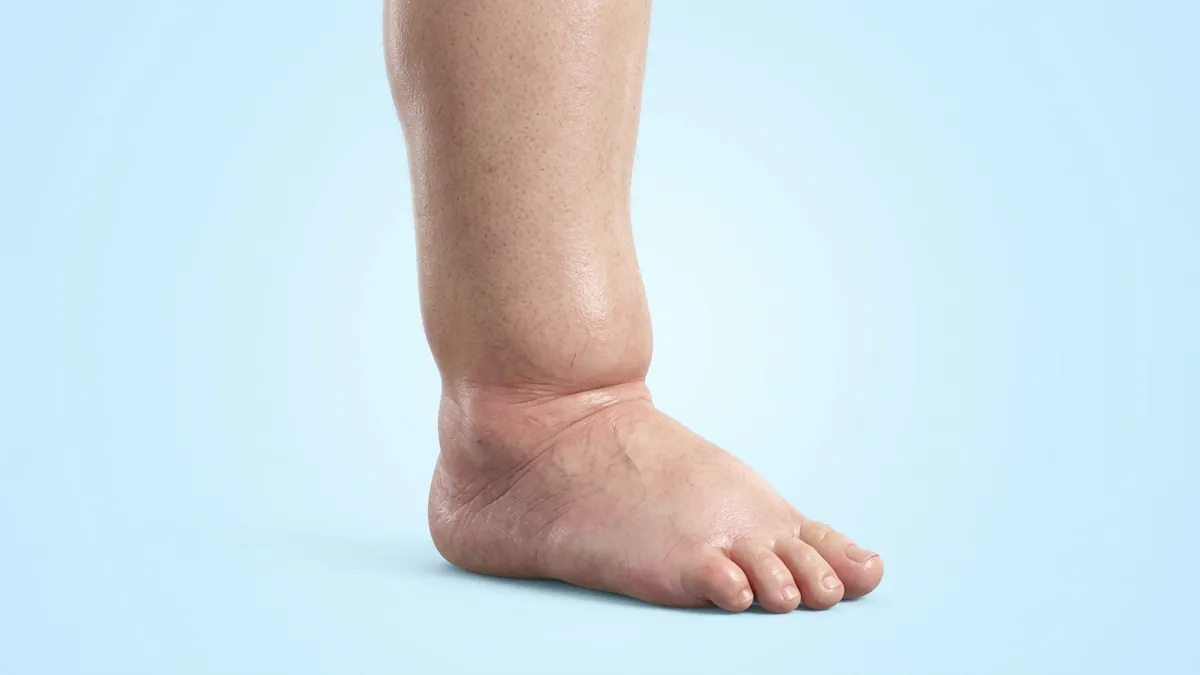
Have you had surgery or treatment for breast cancer? Have you noticed swelling or heaviness in your arms, hands, or chest afterward? If you notice something like this, don't just assume it's normal. It's important to talk to your doctor about it. This could be a sign of lymphedema, a condition that can occur in women after breast cancer treatment.
What exactly is Lymphedema?
Simply put, the lymphatic system in our body is like a garbage disposal system. It contains a liquid called lymph fluid that helps keep our body clean by removing waste products and germs from our body. This fluid travels through a very small network called lymph vessels and lymph nodes .
Now imagine, during breast cancer surgery, some of the lymph nodes, especially those in the armpits, have to be removed. Sometimes, radiation therapy can also damage these lymph nodes. When that happens, the lymph fluid has no way to flow properly and gets stuck in one place. That's what we call lymphedema, which causes swelling in the arms, fingers, chest, or rarely, legs.
There are two main types of this:
1. Primary Lymphedema: This is very rare. It means that you are born with a defect in the lymphatic system.
2. Secondary Lymphedema: This is the most common type. It occurs when the lymphatic system is disrupted due to a cause such as surgery, infection, radiation therapy, injury, or even a blood clot in a vein (deep vein thrombosis).
Who is most at risk?
When it comes to breast cancer, people who have undergone the following surgeries or treatments have a slightly higher risk of developing lymphedema:
- Simple mastectomy with axillary lymph node removal.
- Removing only the cancerous tumor and removing the lymph nodes in the armpit (Lumpectomy with axillary lymph node removal).
- Removal of the breast and a large amount of surrounding tissue along with the axillary lymph nodes (Modified radical mastectomy).
- Receiving radiation treatment to an area with lymph nodes, such as the neck, armpit, or groin, along with cancer surgery.
The important thing is that this swelling can occur within a few days of surgery. It can also occur months, or even years, after surgery. So don't ignore it just because it's been a while since your treatment.
What are the symptoms of this?
It is normal to have some swelling for the first 4-6 weeks after surgery. However, if you notice any of the following symptoms, do not ignore them and tell your doctor immediately. The sooner you start treatment, the easier it is to control this condition.
| Symptom | What does this mean? |
|---|---|
| Swelling in the hand, fingers, shoulder, chest, or leg | A clear sign that lymph fluid is accumulating in one place. |
| A feeling of heaviness, like "fullness" in the arm or leg | It may be one of the first symptoms felt before the swelling begins. |
| Skin tightness, loss of elasticity | The skin's elasticity decreases due to fluid accumulation under the skin. |
| Decreased flexibility in the hand or ankle | Swelling around the joints can make it difficult to move. |
| Clothes only cling to one side of the body | For example, feeling like only one arm is stuck in a blouse. |
| Getting stuck in a bracelet, watch, or ring you were wearing | This is due to an increase in the size of the hand or fingers due to swelling. |
What can we do to prevent Lymphedema?
There are several things you can do to reduce your risk of developing this condition. It's important to make these a habit.
Getting good nutrition
- Reduce foods high in salt and oil.
- Try to eat at least two servings of fruit and three servings of vegetables a day.
- Get fiber from whole-grain bread, rice, and noodles.
- Drink plenty of water.
- Maintain your ideal body weight. Talk to your doctor about this.
- Limit alcohol consumption.
Exercise properly.
Be sure to ask your doctor before starting any exercise. Once you have his or her approval, you can start with simple exercises like walking, swimming, or cycling. Aim to exercise for 30 minutes a day, at least 5 days a week. If you feel any fatigue or pain in your operated arm while exercising, stop the exercise and rest by elevating your arm.
Protect yourself from infections
Even a small cut or wound on the skin of the arm on the side where the surgery was performed can become infected and worsen the condition of Lymphedema.
- Wear gloves when working in the garden or doing household chores.
- Be careful not to injure the skin when cutting your nails.
- Use insect repellents to protect yourself from insects.
- It's better to use an electric razor to remove hair.
- Always keep your skin clean and dry. Apply lotion to prevent skin dryness.
A few other important points
- Do not wear tight clothing, shoes, or jewelry. Do not wear watches or bracelets on the hand that has had surgery.
- Ask to use the arm that did not have the surgery when checking blood pressure, giving injections, or taking blood.
- Talk to your doctor about lifting weights with the arm on the side of the surgery.
- When traveling by air, ask your doctor if you need to wear a special compression sleeve/stocking for the arm or leg that had surgery.
What if I already have Lymphedema?
If you already have this condition, it's even more important to follow all the safety tips mentioned earlier. In addition, these things will also help you.
- Avoid extreme temperature changes. That means extreme heat and extreme cold are not good. Don't use things like hot tubs and saunas.
- Use lukewarm water instead of hot water when bathing and washing dishes.
- When going out in the sun, be sure to apply sun protection (at least SPF 30).
- When sleeping or resting , keep the affected arm or leg slightly elevated by placing it on a pillow.
- Do not sleep with your weight on the affected side for too long.
Your doctor may refer you to an occupational therapist or physiotherapist who specializes in managing lymphedema. He or she may recommend specific exercises, bandaging, and compression garments.
Remember, if left untreated, this swelling can increase, the tissues can harden, and the function of the hand can be reduced. It can also lead to serious infections. So if you have any doubts about your symptoms, see a doctor immediately.
💡 Take-Home Message
- Be aware of any swelling in your arms, chest, or legs after breast cancer surgery or radiation treatment.
- This swelling can be a condition called lymphedema, which is caused by damage to the lymphatic system due to surgery or radiation.
- Notify your doctor as soon as you notice any symptoms. Prompt treatment can help control the condition.
- Good nutrition, regular exercise, avoiding infections, and protecting the skin can reduce the risk of lymphedema.
- If you already have lymphedema, follow your doctor's and physiotherapist's instructions exactly.





Janiw kuna arsuwinakas jichhakamax uñt’ayatäkiti. Aka chiqanx amuyt’awim jan ukax jiskt’awim yapxatañamawa.