
Why do you feel sad and depressed only at certain times? (Seasonal Affective Disorder - SAD) Let's talk about this!

Why do you feel sad and depressed only at certain times? (Seasonal Affective Disorder - SAD) Let's talk about this!

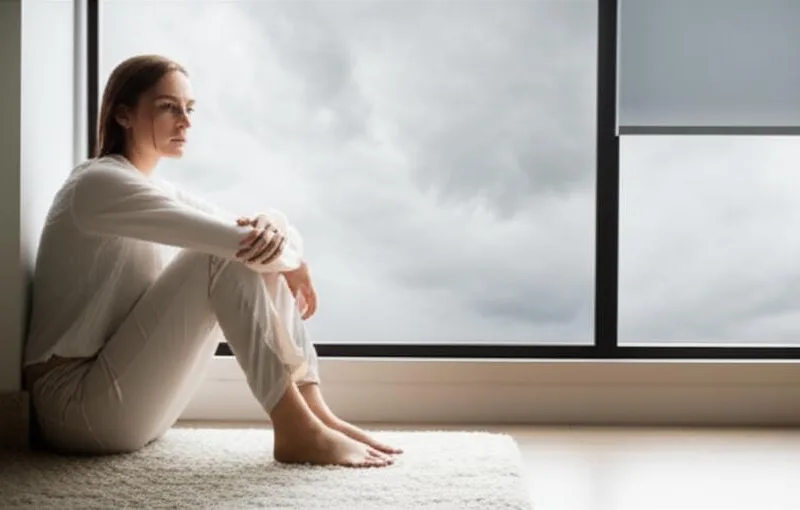
Have you ever experienced this? At certain times of the year, especially when the weather is gloomy and rainy for days on end, you feel very sad, depressed, and bored. You don't feel like doing anything, and you feel like you have no energy. But when the sun rises and sets, you feel very happy and refreshed. This is not unique to you. Many people have experienced this. In medicine, we call this condition Seasonal Affective Disorder (SAD). So today, let's talk about why this happens and what we can do about it.

This is a very delicate balance.

Simply put, our feelings of happiness, sadness, and excitement are controlled by the action of several chemicals in our brain. It's like a balance scale, everything needs to be in balance. The two main players here are sunlight, melatonin, and serotonin .

  • Melatonin: We call this the 'sleep hormone'. When the environment gets dark and the night falls, our body produces more of this hormone. It is what makes us feel sleepy.
  • Serotonin: We call this the 'happiness hormone.' It helps to elevate our mood, giving us happiness, excitement, and energy.

Now look at the relationship between the two. When the sun rises in the morning, our body's `Melatonin` level decreases, and our `Serotonin` level increases. That's why we feel fresh and alert in the morning. During the rainy season, when the sky is heavy with clouds and the sunlight decreases, the opposite happens. Our body's `Serotonin` level decreases, and we start to feel the effects of `Melatonin` more. The result? We just feel lazy, sleepy, and sad.

Even today's most effective medications for depression, namely `Selective Serotonin Re-uptake Inhibitors (SSRIs), work by making the hormone `Serotonin' stay in our brain longer.

Is light therapy better than medication?

Since reduced sunlight is a major cause of this, researchers have proposed a treatment called 'light therapy' as a solution. This involves exposing the patient to bright sunlight-like light emitted by a specially designed lamp for a few minutes a day.

This light travels through our eyes to the brain and helps balance the hormones melatonin and serotonin. Some studies have found that light therapy can reduce symptoms of SAD faster than medication. Sometimes doctors recommend both treatments together, as they can help each other.

But this is very important:If you have these symptoms, you should definitely consult your doctor before starting any self-treatment. He or she will be able to accurately diagnose your condition and determine the best course of treatment for you.

The relationship between sunny and rainy seasons

Although many people don't think so, research has now found that the amount of sun exposure we get during the sunny season (summer) affects our mood during the rainy season (winter) months later.

The secret here is Vitamin D.

Think of it this way. When we go out in the sun, the ultraviolet (UV) rays from the sun hit our skin. Our skin then produces a chemical called `Cholecalciferol`. This is what is then converted into vitamin D inside our bodies, in the liver and kidneys.

So when we are exposed to sunlight in the morning, this `Cholecalciferol` gets stored in our body's fat cells. It's like depositing money in a bank. Then, during the rainy season, when the sun is gone, our body can use this stored `Cholecalciferol` to make the necessary amount of vitamin D. This vitamin D helps a lot in keeping the `Serotonin` level in our body high.

Simply put, how well you 'store' sunlight during the sunny season may determine how your mental health will be during the rainy season.

So, what are the things you can do?

You don't have to be sad and bored when the next rainy season comes. It all depends on what you do during this sunny season. Instead of just going out and soaking up the sun, try these simple things.

Suggestion What to do and its benefits
Get exposed to the morning sun. Get up early in the morning and go outside. The sun is best before 9 am. The sun is less intense at this time, so the risk of skin damage is also less. Avoid being in the sun between 11 am and 2 pm.
Exercise outdoors.Spend at least 20 minutes every morning outdoors doing something like a light exercise, a walk, meditation, or gardening. Make this a habit. Exercise and sunlight will double your mood.
Take 'Sun Breaks' During Work If you work in an office, take a short walk outside during your tea break or lunch break. Getting a little bit of sunlight throughout the day can make a big difference.

Although these things may seem very simple, these small habits can do a lot of good for your mental and physical health in the long run.

Take-Home Message

  • Your mood swings with the weather could be a symptom of a condition called `Seasonal Affective Disorder (SAD).` This is normal, don't worry.
  • The main reason for this is that the level of `Serotonin` (the happiness hormone) in the brain decreases due to lack of sunlight.
  • Sunlight is essential for our skin to produce vitamin D. This vitamin D helps maintain good levels of serotonin.
  • By exposing yourself to the morning sun during sunny weather, you can 'store' the vitamin D you need for the rainy season.
  • If you are concerned about your mood, or if you are constantly feeling stressed or sad, never ignore it. Be sure to talk to your doctor.

Seasonal Affective Disorder, SAD Sinhala, depression, sunlight, vitamin D, mental health
⚠️ Important: The medical articles and information on Nirogi Lanka are for general awareness only, and are by no means a substitute for professional medical advice, diagnosis, or treatment. For any medical problem you have, consult a qualified physician immediately.

💬 Comments (0)

No comments have been posted yet. Add your comment here for the first time.

Add your comment

Please calculate: 2 + 1 =
Why do you feel sad and depressed only at certain times? (Seasonal Affective Disorder - SAD) Let's talk about this!

Why do you feel sad and depressed only at certain times? (Seasonal Affective Disorder - SAD) Let's talk about this!

Have you ever experienced this? At certain times of the year, especially when the weather is gloomy and rainy for days on end, you feel very sad, depressed, and bored. You don't feel like doing anything, and you feel like you have no energy. But when the sun rises and sets, you feel very happy and refreshed. This is not unique to you. Many people have experienced this. In medicine, we call this condition Seasonal Affective Disorder (SAD). So today, let's talk about why this happens and what we can do about it.

This is a very delicate balance.

Simply put, our feelings of happiness, sadness, and excitement are controlled by the action of several chemicals in our brain. It's like a balance scale, everything needs to be in balance. The two main players here are sunlight, melatonin, and serotonin .

  • Melatonin: We call this the 'sleep hormone'. When the environment gets dark and the night falls, our body produces more of this hormone. It is what makes us feel sleepy.
  • Serotonin: We call this the 'happiness hormone.' It helps to elevate our mood, giving us happiness, excitement, and energy.

Now look at the relationship between the two. When the sun rises in the morning, our body's `Melatonin` level decreases, and our `Serotonin` level increases. That's why we feel fresh and alert in the morning. During the rainy season, when the sky is heavy with clouds and the sunlight decreases, the opposite happens. Our body's `Serotonin` level decreases, and we start to feel the effects of `Melatonin` more. The result? We just feel lazy, sleepy, and sad.

Even today's most effective medications for depression, namely `Selective Serotonin Re-uptake Inhibitors (SSRIs), work by making the hormone `Serotonin' stay in our brain longer.

Is light therapy better than medication?

Since reduced sunlight is a major cause of this, researchers have proposed a treatment called 'light therapy' as a solution. This involves exposing the patient to bright sunlight-like light emitted by a specially designed lamp for a few minutes a day.

This light travels through our eyes to the brain and helps balance the hormones melatonin and serotonin. Some studies have found that light therapy can reduce symptoms of SAD faster than medication. Sometimes doctors recommend both treatments together, as they can help each other.

But this is very important:If you have these symptoms, you should definitely consult your doctor before starting any self-treatment. He or she will be able to accurately diagnose your condition and determine the best course of treatment for you.

The relationship between sunny and rainy seasons

Although many people don't think so, research has now found that the amount of sun exposure we get during the sunny season (summer) affects our mood during the rainy season (winter) months later.

The secret here is Vitamin D.

Think of it this way. When we go out in the sun, the ultraviolet (UV) rays from the sun hit our skin. Our skin then produces a chemical called `Cholecalciferol`. This is what is then converted into vitamin D inside our bodies, in the liver and kidneys.

So when we are exposed to sunlight in the morning, this `Cholecalciferol` gets stored in our body's fat cells. It's like depositing money in a bank. Then, during the rainy season, when the sun is gone, our body can use this stored `Cholecalciferol` to make the necessary amount of vitamin D. This vitamin D helps a lot in keeping the `Serotonin` level in our body high.

Simply put, how well you 'store' sunlight during the sunny season may determine how your mental health will be during the rainy season.

So, what are the things you can do?

You don't have to be sad and bored when the next rainy season comes. It all depends on what you do during this sunny season. Instead of just going out and soaking up the sun, try these simple things.

Suggestion What to do and its benefits
Get exposed to the morning sun. Get up early in the morning and go outside. The sun is best before 9 am. The sun is less intense at this time, so the risk of skin damage is also less. Avoid being in the sun between 11 am and 2 pm.
Exercise outdoors.Spend at least 20 minutes every morning outdoors doing something like a light exercise, a walk, meditation, or gardening. Make this a habit. Exercise and sunlight will double your mood.
Take 'Sun Breaks' During Work If you work in an office, take a short walk outside during your tea break or lunch break. Getting a little bit of sunlight throughout the day can make a big difference.

Although these things may seem very simple, these small habits can do a lot of good for your mental and physical health in the long run.

Take-Home Message

  • Your mood swings with the weather could be a symptom of a condition called `Seasonal Affective Disorder (SAD).` This is normal, don't worry.
  • The main reason for this is that the level of `Serotonin` (the happiness hormone) in the brain decreases due to lack of sunlight.
  • Sunlight is essential for our skin to produce vitamin D. This vitamin D helps maintain good levels of serotonin.
  • By exposing yourself to the morning sun during sunny weather, you can 'store' the vitamin D you need for the rainy season.
  • If you are concerned about your mood, or if you are constantly feeling stressed or sad, never ignore it. Be sure to talk to your doctor.

Seasonal Affective Disorder, SAD Sinhala, depression, sunlight, vitamin D, mental health
⚠️ Important: The medical articles and information on Nirogi Lanka are for general awareness only, and are by no means a substitute for professional medical advice, diagnosis, or treatment. For any medical problem you have, consult a qualified physician immediately.

💬 Comments (0)

No comments have been posted yet. Add your comment here for the first time.

Add your comment

Please calculate: 2 + 1 =